• NEWS AND UPDATES

    The latest updates regarding our products and our company

2026 Best LPG Gas Detector for Global Buyers?

Choosing the right Lpg Gas Detector can protect homes, kitchens, workshops, warehouses, and industrial sites. Global buyers need more than a low price or a bright alarm light. They should examine sensor technology, detection range, response time, alarm volume, power options, enclosure strength, and maintenance requirements.

LPG usually settles near floors because it is heavier than air. A detector placed beside a ceiling may react too slowly. Placement matters. Calibration matters more than many buyers expect. Lpg Gas Detector specialist Dr. Elena Marquez says, “A detector is trustworthy only when its sensor, location, and maintenance routine work together.” This practical view deserves attention.

This guide compares the 2026 features that matter across different buying environments. It considers residential kitchens, restaurants, camper vans, storage rooms, and larger facilities. It also reviews catalytic, semiconductor, and infrared sensing technologies. Each option has strengths, weaknesses, and operating limits.

Look closely at certification documents. Check the stated LPG sensitivity. Confirm whether the device supports local voltage, replacement sensors, and clear installation instructions. A loud alarm helps, but it cannot replace ventilation, leak prevention, or professional inspection. Small details can decide real-world performance.

No single model fits every country or application. Some product claims sound impressive but remain vague. That is where buyers should slow down and ask better questions. This review may not capture every regional preference, either. Still, it offers a careful starting point for selecting a reliable Lpg Gas Detector in 2026.
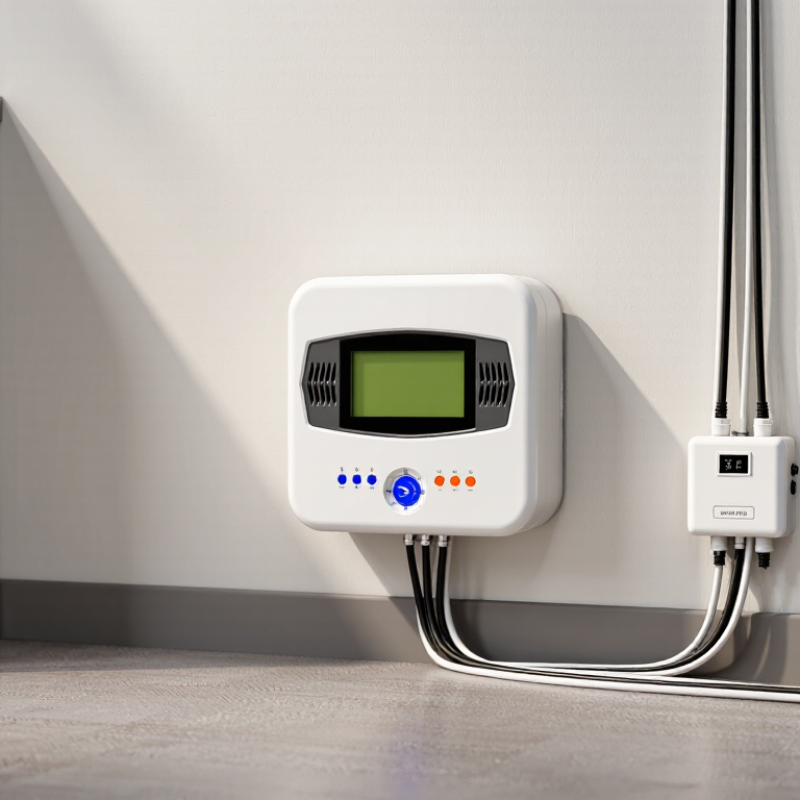
2026 Best LPG Gas Detector for Global Buyers?

What Is an LPG Gas Detector and How Does It Work?

An LPG gas detector is a safety device that senses propane, butane, or similar combustible gases in the air. It does not identify liquid fuel directly. Instead, it monitors gas concentration near possible leak points. Most units use catalytic bead or semiconductor sensors. A catalytic sensor burns a tiny sample internally and measures the resulting heat change. Semiconductor sensors react when gas changes the material’s electrical resistance.

Because LPG is heavier than air, leaked gas may collect near floors, pits, or low cabinets. A detector is therefore often installed close to the floor, but placement depends on ventilation and room design. Placement matters. Kitchens, storage areas, and cylinder connections need different assessments. The alarm may provide sound, light, or relay output for ventilation equipment. Buyers should check detection range, response time, sensor life, and certification for the intended market.

Regular testing is essential. A calibration check confirms that the sensor responds at a known concentration, while a bump test checks basic alarm operation. Dust, grease, humidity, and aging can reduce accuracy. This is easy to underestimate. A detector can alarm late if installed behind furniture or near strong airflow. It can also produce false alarms when poorly maintained. Reliable use requires professional installation, scheduled testing, and replacement according to the manufacturer’s technical instructions and local safety requirements. No detector is perfect. Human inspection still matters.


Key Features to Evaluate in LPG Gas Detectors

Key Features to Evaluate in LPG Gas Detectors

Choosing an LPG gas detector requires more than checking its alarm volume. The NIOSH Pocket Guide lists propane’s lower explosive limit at 2.1% by volume. This figure shows why early detection matters. Select a detector with a certified sensor, clear calibration records, and a response time suited to the installation. Catalytic, semiconductor, and infrared sensors behave differently. They also react differently to humidity, dust, and cleaning chemicals.

Placement is equally important. LPG vapor is heavier than air, so it can collect near floors, drains, and enclosed corners. A detector should support installation guidance from IEC 60079-29-1 and local safety codes. Check the IP rating for kitchens, workshops, or outdoor cabinets. Confirm that the alarm remains audible above ventilation fans. Battery backup, automatic self-testing, fault alerts, and event logging add practical value during inspections.

Do not judge quality by sensitivity alone. The U.S. Energy Information Administration describes propane as a liquid that becomes vapor during release, making ventilation and sensor location critical. In field testing, blocked inlets or poor maintenance can undermine a capable device. I would also question vague claims such as “instant detection.” Ask for laboratory results, calibration intervals, operating-temperature limits, and independent certification. No detector is perfect. A realistic evaluation includes false alarms, replacement costs, and staff training, not just the purchase price.

How to Choose the Best LPG Detector for Different Applications

Choosing the best LPG gas detector depends on the application, not only the sensor price. LPG is heavier than air, so leaked gas may collect near floors, pits, drains, or enclosed cabinets. A detector for a home kitchen may need simple visual and audible alarms. A warehouse, vehicle workshop, or filling area may require multiple sensors, remote monitoring, and stronger protection against dust or moisture.

Check the sensor technology, detection range, response time, and alarm settings. Confirm that the device suits LPG, propane, or butane concentrations used at your site. For industrial areas, examine the enclosure rating, operating temperature, cable design, and required safety certification. Installation height matters. Poor placement can delay detection. Practical inspections often reveal this problem. A technically accurate detector can still perform badly when airflow, ventilation, or nearby equipment is ignored.

Tips: Map likely leak points before choosing the mounting position. Ask for calibration records and a clear maintenance procedure. Test alarms regularly, but do not assume one successful test proves long-term reliability. Batteries may weaken, sensors may age, and building layouts can change. Local regulations also differ, so buyers should verify certification requirements with qualified safety professionals. No checklist is perfect. Review the detector after installation, especially when storage volumes or ventilation systems change.

Global Safety Standards and Certification Requirements for 2026

2026 Best LPG Gas Detector for Global Buyers?

Global buyers should treat certification as a safety specification, not a marketing label. The World LPG Association’s statistical reviews place global LPG consumption at more than 300 million tonnes annually. That scale increases the need for dependable leak detection in homes, warehouses, kitchens, and filling areas. A suitable detector should match LPG’s heavier-than-air behavior. Installation near low points matters. So does a clear alarm.

For hazardous locations, buyers should check IEC 60079-29-1 performance requirements and relevant IECEx or ATEX conformity. These frameworks address gas detection, electrical safety, and explosive atmospheres. In domestic applications, EN 50194-1 may apply, while North American projects often reference national installation codes and recognized product certification. NFPA 58 remains an important reference for LP-Gas storage, handling, and equipment placement. Certification alone is not enough.

Look beyond the certificate.

Review alarm thresholds, sensor response time, operating temperature, ingress protection, and calibration procedures. Intertek’s 2024 industrial safety research highlights the growing importance of connected monitoring and traceable maintenance records. However, wireless alerts can fail during power or network interruptions. A local sounder is still necessary. Buyers should request test reports, not only logos. They should also verify whether certification covers the complete detector, sensor, enclosure, and power supply. This step is often missed. It deserves more attention.

Installation, Testing, Maintenance, and Replacement Guidelines

Choosing the best LPG gas detector in 2026 requires more than comparing alarm volume or sensor type.

Installation affects every reading. LPG is heavier than air, so detectors are commonly mounted low, near potential leak sources. Follow the product manual and local safety requirements. Avoid placing the unit beside windows, fans, doors, sinks, or dusty corners. These locations can dilute gas or block airflow. Keep the detector accessible for testing.

Test the detector on the recommended schedule.

Many facilities perform a functional test monthly and inspect the alarm indicator more often. Use approved test gas or the manufacturer’s testing method. Never release LPG from a cylinder to test the sensor. A trained technician should verify response time, alarm output, and electrical connections. Record the date, result, and any corrective action. A silent alarm is not proof of safety.

Maintenance includes removing dust, checking wiring, and replacing batteries when required.

Do not paint over vents. Do not ignore repeated false alarms; poor placement, contamination, or ventilation problems may be responsible. Calibration may be necessary at intervals stated by the manufacturer or site risk assessment. Sensors also age. Replace the detector when its service life ends, after failed testing, or after significant exposure to contaminants. A clean housing can still hide a weak sensor. That detail is easy to miss. Keep spare units only when storage conditions protect their sensors and batteries.