
• NEWS AND UPDATES

    The latest updates regarding our products and our company

2026 Top Laboratory Information System Innovations and Trends?

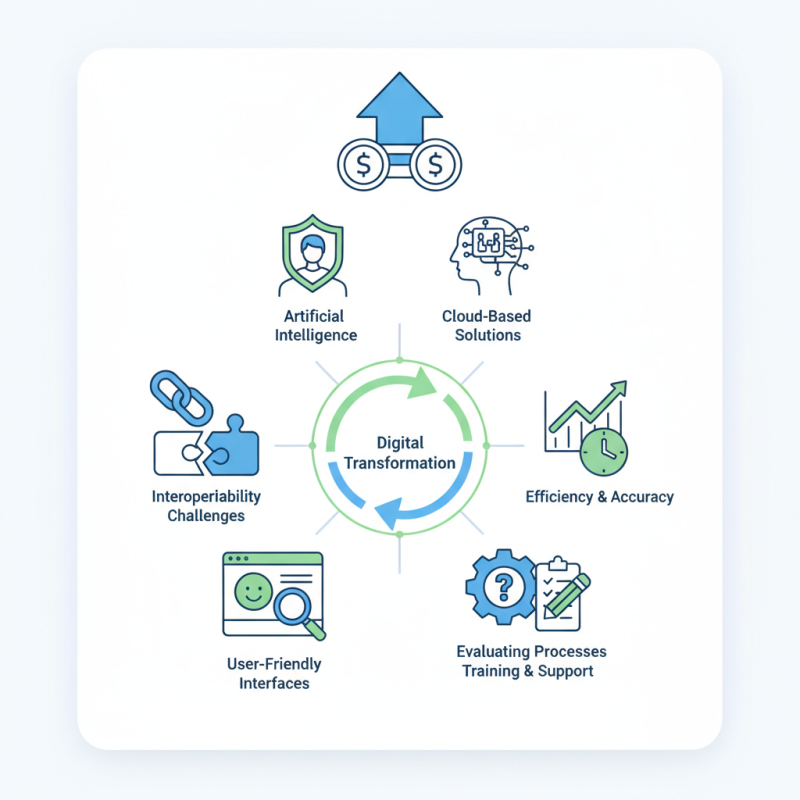
As we approach 2026, the landscape of laboratory information systems (LIS) is evolving rapidly. Recent reports indicate that the global laboratory information systems market is expected to reach $3.8 billion by 2026. Digital transformation fuels this growth, but labs face challenges in integrating new technologies.

Innovations like artificial intelligence and cloud-based solutions are reshaping how data is managed. These trends promise efficiency and accuracy. However, not all laboratories are prepared for these shifts. Many still rely on outdated systems. A significant percentage struggle with interoperability among various platforms.

User-friendly interfaces are becoming essential. A system that is hard to navigate can hinder workflow and lead to errors. The reality is that while advancements in LIS offer remarkable potential, labs must reflect on their current capabilities. Evaluating existing processes can help identify gaps and areas for improvement. Embracing innovation should not overlook the importance of training and support for staff.
2026 Top Laboratory Information System Innovations and Trends?

Emerging Technologies Driving Laboratory Information Systems in 2026

As we look ahead to 2026, laboratory information systems (LIS) are poised for remarkable advancements. Emerging technologies are essential in enhancing the efficiency and accuracy of labs. Artificial intelligence is becoming a key player, helping to analyze data faster and more accurately. Machine learning algorithms can predict trends and optimize workflows. This technology offers great promise but also presents challenges in data management.

Another important trend is the integration of cloud computing. With cloud-based systems, labs can access and share data seamlessly. This improves collaboration among healthcare providers. However, there are concerns about data security and privacy. Balancing accessibility and protection is crucial.

Lastly, automation is transforming laboratory processes. Robotic systems can handle repetitive tasks, allowing human staff to focus on critical analysis. While automation increases efficiency, it raises questions about job roles in the future. Striking a balance between innovation and human oversight remains a topic of ongoing discussion. These innovations mark an exciting yet complex evolution in laboratory information systems.

2026 Top Laboratory Information System Innovations and Trends

Innovation/Trend Description Potential Impact Adoption Rate (%)
Cloud-Based Solutions Shift towards SaaS models providing flexibility and scalability. Improved accessibility and reduced IT costs. 80%
AI and Machine Learning Utilization of advanced algorithms for data analysis and predictions. Enhanced decision-making and operational efficiency. 65%
Integration with IoT Connecting lab instruments for real-time data exchange. Improved accuracy and reduced turnaround times. 70%
Mobile Applications Accessing lab data and managing workflows via mobile devices. Increased user productivity and remote capabilities. 60%
Data Security Enhancements New protocols and technologies for safeguarding patient data. Higher trust and compliance with regulations. 85%

Impact of Artificial Intelligence on Lab Data Management and Automation

Artificial Intelligence (AI) is transforming lab data management and automation. It enhances the efficiency of laboratory workflows. AI algorithms can analyze vast amounts of data quickly. This accelerates decision-making and reduces human error. Many labs are now adopting AI tools. These tools streamline sample tracking and data entry tasks.

Running an efficient lab requires adaptation to AI trends. A crucial tip is to invest in training staff. They need to understand AI tools well. This knowledge prevents misuse of technology. Another tip is to ensure data quality. Garbage in means garbage out. If the input data is flawed, AI outcomes will also be flawed.

Implementing AI is not without challenges. Labs may face resistance from staff. They might worry about job displacement. It's essential to communicate the benefits clearly. Encourage an environment of collaboration instead of fear. AI should complement human efforts, not replace them. Balancing technology with human touch can lead to better results.

Trends in Cloud Computing for Enhanced Lab Accessibility and Collaboration

The landscape of laboratory information systems is changing with cloud computing. Enhanced lab accessibility is a central trend. According to a recent report, over 70% of labs are adopting cloud technologies. This shift allows for real-time data sharing and collaboration among researchers.

With cloud systems, labs can access data from anywhere. This mobility breaks down geographical barriers. Collaborative efforts increase, leading to more innovative research. However, challenges remain. Not all labs have the infrastructure to transition smoothly. Security concerns also pose significant hurdles for many organizations.

Tips: Invest in training for staff. This ensures everyone understands cloud workflows. Start small with pilot programs. Gradually scale up after successful trials. Regularly assess security measures to protect sensitive data. Labs should not overlook these vital aspects as they embrace the future.

Regulatory Changes Shaping Laboratory Information System Innovations

Regulatory changes are driving innovation in laboratory information systems (LIS). New compliance standards are emerging to improve accuracy and efficiency in data management. According to a recent industry report, over 70% of laboratories plan to upgrade their LIS to meet new regulations by 2026. This shift reflects a proactive approach to compliance and quality assurance.

One notable trend is the integration of artificial intelligence in LIS. AI can enhance data analysis and expedite reporting. However, its implementation is not without challenges. Many labs are still unsure about the regulatory requirements surrounding AI usage. This leads to confusion and delays in adopting new technologies. It’s crucial for labs to understand these regulations fully.

Data security is another area of focus. As regulations become stricter, laboratories must safeguard patient information effectively. A study showed that approximately 55% of labs experience data breaches. This alarming statistic highlights the need for enhanced security measures. Investing in robust security protocols is essential to prevent future breaches and stay compliant.

2026 Laboratory Information System Innovations and Trends

Data Security and Privacy Enhancements in 2026 Lab Information Systems

2026 Top Laboratory Information System Innovations and Trends?

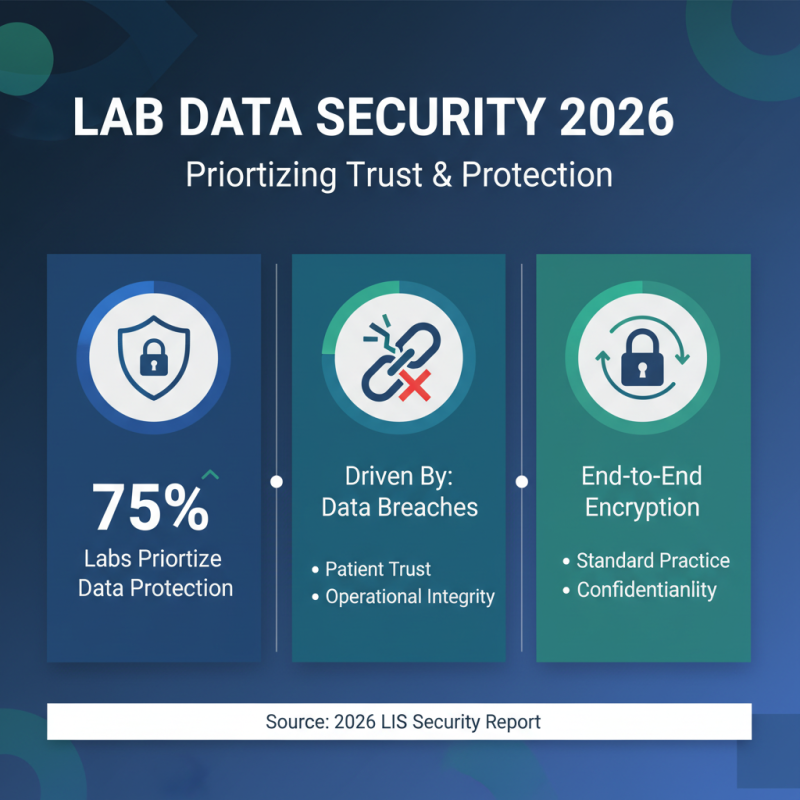
In 2026, the focus on data security and privacy in laboratory information systems (LIS) will be more critical than ever. A recent report projected that nearly 75% of labs will prioritize robust data protection measures. This shift is driven by the increasing incidence of data breaches, which affect patient trust and operational integrity. Implementing end-to-end encryption will become standard, ensuring that sensitive information remains confidential during storage and transmission.

As labs adopt more advanced technologies, such as cloud computing and AI analytics, challenges will arise. A study indicated that around 60% of labs struggle with compliance regarding data privacy regulations. Many systems lack adequate safeguards against cyber threats. Moreover, the complexity of integrating new technologies may lead to vulnerabilities. Therefore, continuous staff training on security practices will be essential. Human error remains a significant factor in data breaches.

Enhancing privacy in LIS requires a holistic approach. Incorporating privacy-by-design principles can help address potential flaws early in the development process. Additionally, regular audits are vital to identify weaknesses before they can be exploited. Labs may face obstacles in achieving optimal data security, but the pressing need makes this a top priority for 2026 and beyond.