What is Akron Abrasion Tester and How Does It Work?
The Akron Abrasion Tester is a vital tool in the field of material testing. It measures the resistance of materials to wear and abrasion. This device is widely used in industries that require durable materials, such as textiles, rubber, and plastics.
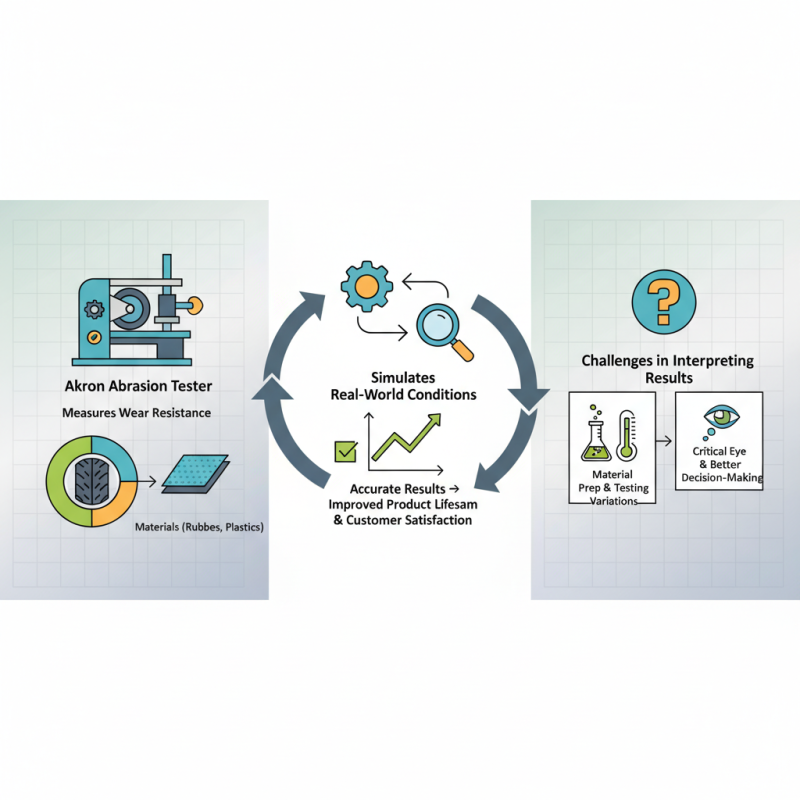
Understanding how the Akron Abrasion Tester works can help manufacturers select the right materials for their products. The tester simulates real-world conditions, ensuring accurate results. Knowing these results can improve product lifespans and customer satisfaction.
Despite its importance, there can be challenges in interpreting the results. Variations in material preparation and testing conditions can lead to inconsistencies. It is crucial to approach the results with a critical eye. This reflection can enhance the testing process, leading to better decision-making.
What is the Akron Abrasion Tester and Its Purpose in Material Testing
The Akron Abrasion Tester is a crucial instrument in material testing. Its primary purpose is to assess the wear resistance of materials. This is vital in industries where durability is a concern, such as automotive and textiles. The device simulates real-world conditions that materials might encounter.
According to industry reports, abrasion loss measured by the Akron Tester can predict the lifespan of products. For instance, research indicates that 42% of material failures in performance testing are due to abrasion. This statistic underscores the necessity of using reliable testing methods. The tester applies a standard set of conditions. It uses specific rubs and pressure to evaluate how a material withstands wear.
Materials like rubber, textiles, and plastics are often subjected to Akron testing. The results help engineers make informed decisions about material selection. However, variations in testing conditions can lead to inconsistent results. Sometimes, factors like temperature and humidity are overlooked. This can lead to reflections on the need for standardized testing protocols. A deeper analysis of such discrepancies could enhance the accuracy of the results.
Understanding the Working Principle of the Akron Abrasion Tester
The Akron Abrasion Tester is an essential apparatus used to assess material durability. It works by subjecting samples to abrasive wear, simulating real-world conditions. During the test, a rotating disc rubs against the material, creating friction. The weight loss from the sample is measured post-test, providing a clear indication of abrasion resistance.
Industry reports indicate that materials with low abrasion resistance can lead to increased maintenance costs. For example, a study found that up to 30% of operational costs in manufacturing can be attributed to material wear and tear. Understanding how the Akron Abrasion Tester functions helps industries choose materials wisely. In turn, this decision can enhance product lifespan and reliability.
The testing procedure demands precision. Mistakes in sample preparation can skew results, leading to misinformed choices. Some users overlook essential cleaning steps before testing, which may compromise the integrity of results. The interplay of variables, such as load and speed in the test, needs careful consideration. What works in one scenario may not translate effectively to another. Properly interpreting results requires a nuanced understanding of the underlying principles.
Key Components and Features of the Akron Abrasion Tester
The Akron Abrasion Tester is a vital tool in material testing. Its design focuses on assessing the abrasion resistance of various materials. This helps industries ensure their products meet quality standards.
Key components of the Akron Abrasion Tester include a rotating drum and an abrasive wheel. The drum holds the test specimen securely during the process. The abrasive wheel then moves across the material's surface. This setup allows for evaluating how well the material can withstand wear.
Another important feature is the adjustable speed of the wheel. Different materials may require varying test speeds to get accurate results. The machine often includes precise measurement systems. These systems track the depth of wear accurately. Ensuring accurate measurements is essential for reliable testing outcomes. Moreover, calibrating the machine periodically is necessary to maintain its reliability. This aspect highlights the importance of regular maintenance and user training.
What is Akron Abrasion Tester and How Does It Work? - Key Components and Features of the Akron Abrasion Tester
| Component | Description | Functionality |
| Abrasion Wheel | A rotating wheel covered with an abrasive material used for testing wear resistance. | Simulates abrasive conditions to evaluate material durability. |
| Specimen Holder | A device that securely holds the test specimen in place during abrasion testing. | Ensures accurate and consistent test results by maintaining specimen position. |
| Control Panel | Interface for setting parameters such as speed, duration, and load. | Allows users to customize test conditions for various materials. |
| Wear Measurement System | A system used to measure the amount of wear on the specimen. | Provides quantitative data on material performance under abrasive conditions. |
| Data Logger | Records test conditions and wear data for analysis. | Facilitates review and comparison of different test results. |
Industry Applications: Where the Akron Abrasion Tester is Used
The Akron Abrasion Tester is widely used across different industries. It is essential for organizations that need to evaluate the wear resistance of various materials. This tester helps in understanding how materials stand against friction and wear. Industries such as textiles, automotive, and rubber benefit greatly from this evaluation.
In the textile sector, the tester assesses fabric durability. Manufacturers often need to ensure that their fabrics can withstand heavy use. For the automotive industry, evaluating rubber components for tires and gaskets is crucial. A small failure in these parts can lead to serious issues. Rubber industries often rely on this tool for quality assurance and product development.
Moreover, the Akron Abrasion Tester is also found in the manufacturing of coatings and paints. It helps produce long-lasting finishes that resist wear. However, results can vary due to operator inconsistencies or sample preparation mistakes. This calls for a careful approach and regular checks to ensure accuracy. Proper use of the tester can enhance quality control and lead to better products. Understanding these nuances is vital for all users in industry applications.
Standard Testing Procedures and Performance Metrics in Abrasion Testing
The Akron Abrasion Tester is a vital tool for evaluating the wear resistance of materials. It adheres to standardized procedures to ensure reliability and repeatability. Testing typically involves subjecting samples to controlled abrasion under specific conditions. This helps in determining how well a material can endure friction and mechanical wear.
Standard testing procedures focus on several critical metrics. The amount of material lost during testing is a key indicator of abrasion resistance. The test samples undergo repeated cycles to simulate real-world wear conditions. Test parameters like pressure, speed, and duration are precisely controlled, influencing the results significantly.
Tips: Always ensure samples are prepared uniformly. Inconsistent sample thickness can lead to variable results. Regularly calibrate the testing equipment to maintain accuracy. Observing the environmental conditions, such as temperature and humidity, during testing is essential. These factors can affect material behavior.
Understanding these procedures enhances confidence in material selection. However, discrepancies may arise, revealing areas for improvement in the testing method. Adjusting test parameters to better reflect actual usage scenarios can provide more reliable data. Continuous refinement of testing protocols is crucial for enhancing the relevance of results.