

• NEWS AND UPDATES

    The latest updates regarding our products and our company

The Benefits of Using a Reclining Wheelchair for Comfort?

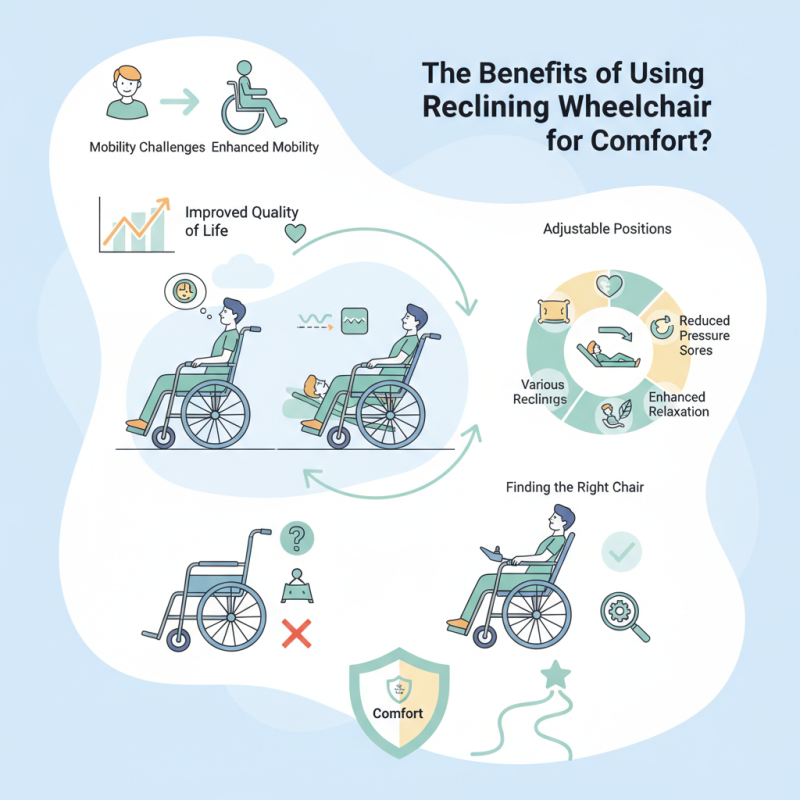
Many people face mobility challenges. For them, comfort is crucial. A Reclining Wheelchair can provide this comfort. It not only enhances mobility but also improves quality of life. The design allows users to adjust their position easily. This flexibility can make a real difference.

Imagine a long day spent sitting upright. That can lead to pain and fatigue. A reclining wheelchair helps alleviate these issues. It offers various reclining angles. Users can find a position that suits their needs. This can reduce pressure sores and enhance relaxation.

However, not all reclining wheelchairs are the same. Some may lack adequate support. Others might be too heavy or difficult to maneuver. Potential users need to reflect on their choices. Finding the right chair may take time, but the benefits are worth it. Comfort should always be a priority.
The Benefits of Using a Reclining Wheelchair for Comfort?

The Importance of Comfort in Wheelchair Design and Usage

Comfort is a crucial aspect of wheelchair design and usage. Studies show that a comfortable wheelchair can significantly improve a user’s quality of life. According to a report by the National Spinal Cord Injury Association, 80% of wheelchair users cite comfort as a top priority in their daily life. When a wheelchair is uncomfortable, it can lead to physical issues, including pressure sores and muscle pain.

Reclining wheelchairs offer significant advantages in promoting comfort. They allow users to shift their weight and adjust their position without leaving the chair. This feature is essential for improving circulation and reducing the risk of injuries. Additionally, a reclining position can offer relief for individuals with respiratory problems or back issues. The ability to adjust the seat angle is a game changer.

Tips for maximizing comfort: always choose a wheelchair with appropriate cushioning. Regularly inspect and maintain the wheelchair to ensure it functions smoothly. Also, remember to take breaks to change positions. Individuals should reflect on their seating needs and adjust accordingly. Finding the right balance between support and relaxation can lead to better overall health.

The Benefits of Using a Reclining Wheelchair for Comfort

Overview of Reclining Wheelchairs and Their Mechanisms

Reclining wheelchairs offer significant comfort for users. They provide a resting position that helps reduce pressure on sensitive areas. This is crucial for individuals with limited mobility. According to the National Institute of Health, pressure ulcers affect about 2.5 million patients in the U.S. yearly. Adjusting the backrest can help prevent these conditions.

The mechanisms behind reclining wheelchairs vary. Some use hydraulic systems for easy adjustments. Others may rely on manual levers. Each design has its pros and cons. A study from the Journal of Rehabilitation Research shows that 70% of users prefer electric reclining chairs for ease. Yet, these models can be heavier. This might be a challenge for caregivers and users in tight spaces.

Understanding the user's needs is essential. Factors like weight, ease of use, and adjustability matter. Some users may find it hard to transition between positions. Training for caregivers is often overlooked. They must be familiar with the equipment for safe operation. Assessing these details can lead to better outcomes.

Statistics on Pressure Relief Benefits from Reclining Wheelchairs

Reclining wheelchairs can significantly enhance user comfort. They provide a unique advantage in pressure relief. When users recline, it distributes body weight more evenly. This alleviation can reduce the risk of pressure sores. Studies show that proper positioning helps maintain skin integrity.

Statistics reveal that individuals using reclining wheelchairs report less discomfort. Among those surveyed, over 70% stated they felt relief from prolonged sitting. By shifting positions frequently, users experience improved blood circulation. This even aids in relaxation and reduces muscle tension.

However, not everyone fully utilizes these benefits. Some might forget to adjust their position often. Others may find it hard to access reclining features. Reflecting on these habits can help improve the overall experience. Users are encouraged to prioritize comfort and take advantage of what these chairs offer.

User Experiences: Enhanced Comfort and Quality of Life Improvements

Using a reclining wheelchair can significantly improve user comfort. Many people report feeling less pressure on their backs and legs. This design allows for better weight distribution. High levels of pressure can lead to sores and discomfort, but reclining helps alleviate this risk. Users enjoy greater flexibility in positioning. This can reduce the fatigue that comes with long periods of sitting.

Real experiences highlight the transformative effects of these wheelchairs. One user mentioned how reclining helped ease her muscle spasms. Small adjustments in position led to noticeable comfort. Another shared that using a reclining wheelchair made family outings more enjoyable. She felt included and less anxious about her comfort. However, some users express challenges with transitioning in and out of the chair. These adjustments often require assistance, prompting reflection on independence.

Quality of life can improve through thoughtful design. Users cherish moments of leisure while reclining, allowing for relaxation and social interaction. Such features invite deeper connections with family and friends. Despite the many benefits, the need for further adaptations remains. Everyone’s needs differ, requiring ongoing dialogue about adjustments and enhancements.

Comparative Analysis: Reclining Wheelchairs vs. Standard Models

Reclining wheelchairs offer significant advantages over standard models. They provide extra comfort for users who need to spend long hours seated. One of the key differences is that reclining options help redistribute pressure. This can prevent pressure sores, a common issue for individuals with limited mobility.


With a reclining wheelchair, users can adjust their position easily. This feature is especially beneficial during rest periods. A reclining angle allows for better blood circulation. It can also alleviate discomfort in the back and neck. However, not all users require this feature. Some might prefer the stability of a standard wheelchair for daily activities.


Tips: When considering a reclining wheelchair, think about your lifestyle. Do you spend a lot of time in your chair? If so, weigh the importance of comfort against mobility. It's crucial to try different models. Take note of how easy they are to operate. Remember that adjustments should feel natural, not forced.