China Top 10 Science Lab Equipment Manufacturers
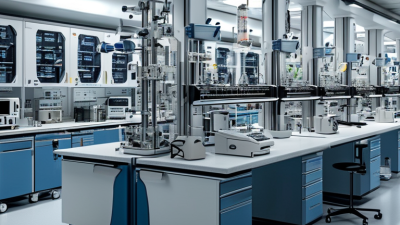
China has become a significant manufacturing base for modern science lab equipment, serving universities, hospitals, research institutes, and industrial laboratories worldwide. Its manufacturers now produce laboratory benches, fume hoods, centrifuges, incubators, analytical instruments, and complete laboratory systems. Quality varies, however. A low price does not always indicate dependable performance.
This guide, China Top 10 Science Lab Equipment Manufacturers, introduces companies based on product range, manufacturing experience, quality controls, customization ability, export performance, and technical support. It also considers practical details, such as stainless-steel finishing, temperature stability, noise levels, calibration records, and spare-parts availability. These details often decide whether equipment performs well after installation.
Dr. James A. Kaufman, founder of the Laboratory Safety Institute, said, “Safety is not a product, but a process.” His statement remains important when evaluating laboratory suppliers. A reliable manufacturer should support safe design, user training, maintenance, and documented testing. Certification claims still require verification.
No ranking is perfect. Some manufacturers communicate their strengths clearly, while others provide limited technical information. Buyers should request test reports, factory references, warranty terms, and service response times before signing a contract. A polished catalog can hide practical weaknesses. A modest-looking factory may deliver excellent engineering.
The following overview is intended as a starting point, not a final purchasing decision. It highlights manufacturers worth closer examination and encourages readers to compare real specifications carefully. In laboratory work, dependable results begin with dependable equipment.
Definition and Scope of China’s Science Lab Equipment Industry
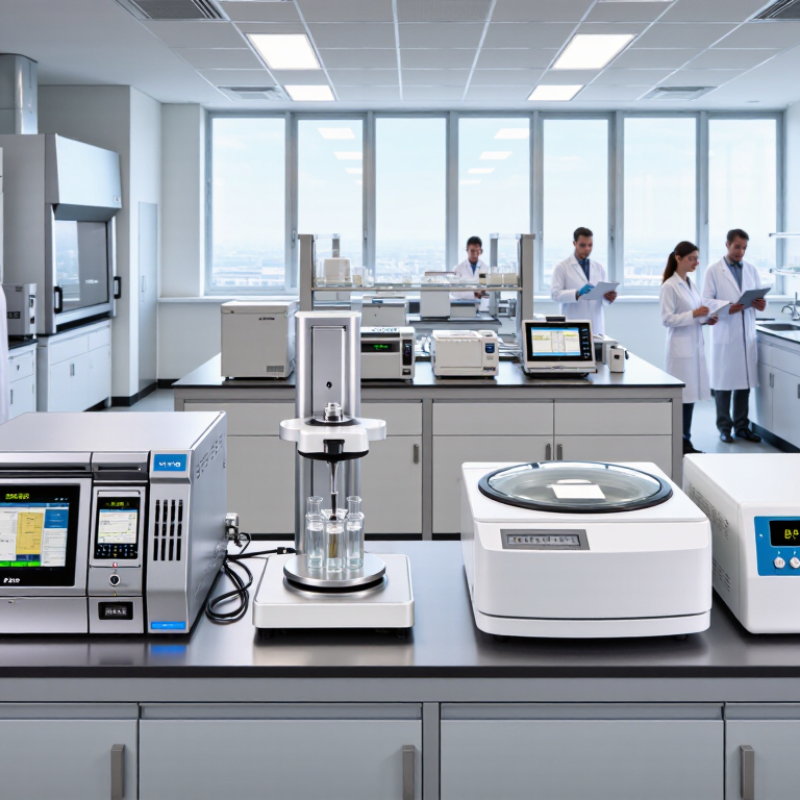
China’s science lab equipment industry covers tools used for research, testing, teaching, and quality control. Its scope includes analytical instruments, laboratory furniture, safety systems, glassware, consumables, and digital monitoring platforms. The boundary is not perfectly clear. Some industrial testing devices overlap with medical and manufacturing equipment.
Demand is supported by China’s expanding research base. The National Bureau of Statistics reported research and development spending of about RMB 3.33 trillion in 2023. R&D intensity reached 2.64% of GDP. This figure signals strong laboratory investment, but it does not represent equipment sales alone. A better market assessment should separate instruments, installation services, maintenance, and recurring consumables. Industry reports also track automation, data integrity, energy efficiency, and localized supply chains. These categories matter in daily laboratory work, where calibration records and stable temperature control can affect one test result.
Tips: Define the market before comparing manufacturers. Check measurement range, calibration support, software compatibility, safety certification, and service response time. Ask for recent performance data under real laboratory conditions. A polished specification sheet is not enough. Testing needs differ between a university bench, a pharmaceutical quality room, and a factory inspection line. This distinction is easy to miss.
Criteria for Ranking the Top 10 Chinese Manufacturers
A credible ranking of Chinese science lab equipment manufacturers should begin with evidence, not polished catalogs. Product range matters, but performance matters more. We would examine equipment such as centrifuges, incubators, balances, and laboratory ovens for stated accuracy, operating limits, and documented test methods. Clear specifications help buyers compare models without guessing.
Quality control deserves close attention. Useful evidence may include traceable calibration records, batch inspection procedures, and consistent performance data across production runs. Certifications can support a review, but a certificate alone cannot prove that every unit performs well. Service access matters, too. Check response times, spare-parts availability, installation guidance, and warranty terms. Details count.
A fair assessment should also consider usability and long-term cost. For example, are controls readable while wearing gloves? Can routine cleaning reach the corners of a chamber? These practical questions can reveal weaknesses that a brochure misses. We would compare energy use, maintenance needs, and the availability of operating manuals. No ranking is perfectly neutral. Weighting reliability over price may favor one type of buyer, while a teaching laboratory may value simplicity more. Any published list should explain its sources, scoring method, and limits, and avoid treating missing information as proof of poor quality.
Profiles of China’s Top 10 Science Lab Equipment Manufacturers
Profiles of China’s leading science laboratory equipment manufacturers are most useful when they focus on capabilities, not catalog size. China’s National Bureau of Statistics reported research and development spending of 3.33 trillion yuan in 2023, equal to 2.64% of GDP. That investment supports demand for dependable instruments, local replacement parts, and responsive service. Compare manufacturers across analytical instruments, temperature-control systems, sample preparation, clean-room equipment, and laboratory furniture. Check calibration records, installation support, and spare-part lead times. Small details matter.
A credible profile separates verified strengths from marketing claims. Look for specifications that state measurement ranges, repeatability, and test conditions. Ask about service response times and request installation references. Some manufacturers specialize in routine equipment; others focus on automation or precision measurement. These are different strengths, not a simple ranking. The OECD’s Main Science and Technology Indicators offer a consistent framework for comparing research investment, but spending alone cannot establish product quality. This distinction is easy to miss. Public information may also leave gaps in long-term reliability data. Treat those gaps as questions, not proof of poor performance.
Product Categories and Technical Strengths of Leading Brands
Leading science laboratory equipment manufacturers in China typically serve several product categories: analytical instruments, sample-preparation systems, temperature-control equipment, and general laboratory furniture. Their technical strengths vary. Some focus on precise measurement, with stable sensors and clear calibration records. Others build dependable centrifuges, ovens, or water baths designed for repeated daily use. Product range alone, however, does not prove performance.
Look closely at the details. A spectrometer’s stated wavelength range matters, but so do measurement repeatability and software usability. For a centrifuge, check rotor options, speed control, and the availability of replacement parts. In a working lab, a loose temperature reading or awkward control panel can waste time. Small things matter.
Manufacturers with stronger engineering capabilities often document quality checks, provide application guidance, and make service arrangements clear. Ask for test data relevant to your samples, not only broad catalog specifications. Compare installation needs, training, warranty terms, and delivery of consumables. A technically capable supplier should explain limitations plainly. This is not always easy to judge from a brochure, and even a careful evaluation can miss issues that appear after months of use. Independent user feedback and a practical demonstration can help reveal them.
China Top 10 Science Lab Equipment Manufacturers - Product Categories and Technical Strengths of Leading Brands
Representative operating setpoints across major laboratory equipment categories. These values reflect commonly used laboratory conditions and are not assigned to any individual company or brand.
Technical strength overview: Laboratory equipment manufacturers commonly focus on precision temperature control, contamination prevention, high-speed motion control, pressure regulation, automation, data logging, and compliance with international laboratory safety requirements.
Reference basis: common laboratory operating practices and representative specifications for widely used equipment categories. Actual operating ranges vary by model and application.
How to Evaluate and Select a Chinese Laboratory Equipment Manufacturer
Selecting a Chinese laboratory equipment manufacturer requires more than comparing catalog prices. Start by matching the manufacturer’s production experience with your laboratory’s actual workflow. Ask for drawings, material specifications, load limits, temperature ranges, and documented test results. A clean showroom helps, but it proves little.
Visit the factory when possible. Observe welding quality, surface finishing, wiring, and storage conditions. Request quality records, calibration procedures, and batch traceability for critical components. Check relevant certifications, but verify their scope and validity. ISO 9001 can support process control, yet it does not guarantee perfect equipment. That distinction matters.
Request references from laboratories using similar systems. Speak with users about installation accuracy, response times, spare parts, and fault handling. A reliable supplier should explain acceptance testing before payment and provide clear manuals, training, and warranty terms. Define delivery milestones in writing. Include packaging requirements and local electrical standards. Small details cause expensive delays.
Do not rely only on the lowest quotation. Compare total ownership costs, including calibration, maintenance, consumables, and technician visits. I have seen attractive offers become costly after unclear specifications changed. That risk deserves attention. Leave room for questions, because early doubts often reveal hidden assumptions. A practical evaluation may feel slower, but it creates stronger evidence for a safer purchasing decision.