

NEWS AND UPDATES
The latest updates regarding our products and our company

How to Choose the Best Lab Digestion Tank for Your Needs?
Choosing the right Lab Digestion Tank is crucial for any laboratory focused on analytical chemistry or sample preparation. According to industry studies, the global laboratory equipment market is projected to reach $62 billion by 2025, underscoring the increasing demand for quality lab tools. An appropriate Lab Digestion Tank can enhance your laboratory's efficiency and accuracy in digestion processes, which is essential for obtaining precise analytical results.
It's vital to consider capacity, materials, and safety features when selecting a Lab Digestion Tank. For instance, tanks made from high-grade materials ensure durability and chemical resistance. Reports indicate that improper tank selection can lead to increased operational costs and compromised data integrity. With proper research, labs can avoid these pitfalls, ensuring reliability in their analyses.
Moreover, the right Lab Digestion Tank contributes to compliance with safety regulations, which is a non-negotiable aspect of laboratory operations. Labs face scrutiny from regulatory bodies, making the choice of equipment even more critical. Hence, understanding your specific needs and benchmarks is not just a matter of preference, but a necessity.
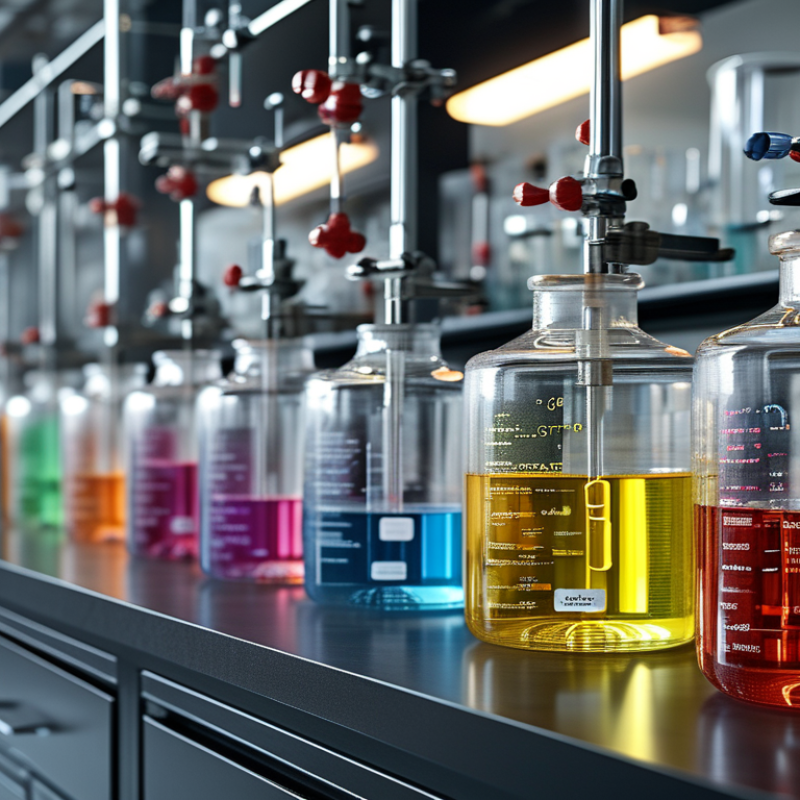
Understanding the Purpose of a Lab Digestion Tank
A lab digestion tank is essential for various analytical processes. Its main purpose is to break down complex samples. This is crucial in fields like environmental testing, pharmaceuticals, and food safety. According to a report by the American Chemical Society, efficient digestion improves the accuracy of measurements by up to 40%. This accuracy enhances the reliability of results, allowing labs to meet compliance standards.
Tips: Always consider the tank's material. Corrosion resistance is vital for longevity. Stainless steel or PTFE options are preferred due to their durability.
Understanding the specific purpose of a digestion tank helps in choosing the right model. Whether for microwave digestion or traditional methods, the choice affects sample integrity. A study from Laboratory Equipment Magazine highlighted that improper settings can lead to incomplete digestion, affecting final analysis.
Tips: Regular calibration is crucial for maintaining performance. Monitor temperature control closely for optimal results.
Key Factors to Consider When Selecting a Lab Digestion Tank
Choosing the right lab digestion tank requires careful thought. Key factors can greatly influence your results. Start with the tank's material. It should resist corrosion and withstand harsh chemicals. Stainless steel is often preferred for its durability.
Next, consider the volume. You need a tank that accommodates your workload without wasting space. Think about the size of your samples and the number of tests you run daily. Too small a tank could hinder your efficiency.
Temperature control is another critical factor. Consistent temperatures ensure uniform digestion. It's worth considering models with built-in heating mechanisms. Also, think about the tank’s cleaning process. A design that simplifies maintenance can save time. Remember, the best choice isn't always the most expensive. Sometimes, less popular options perform better for your specific needs. Reflect on how you can optimize your lab's workflow with each decision.
How to Choose the Best Lab Digestion Tank for Your Needs? - Key Factors to Consider When Selecting a Lab Digestion Tank
| Feature | Importance | Recommendation |
|---|---|---|
| Material Compatibility | High | Choose tanks made from materials like borosilicate glass or PTFE for acidic samples. |
| Volume Capacity | Medium | Select based on expected sample sizes; common volumes range from 500 mL to 2 L. |
| Temperature Resistance | High | Look for tanks that can withstand high temperatures (up to 200°C). |
| Pressure Resistance | High | Consider a tank that can handle pressure for high-temperature digestion processes. |
| Ease of Cleaning | Medium | Select designs that allow easy access for thorough cleaning after use. |
| Cost | Medium | Balance between features and budget; investment in reliable tanks pays off. |
Types of Lab Digestion Tanks and Their Applications
When selecting a lab digestion tank, understanding the types and their applications is vital. There are mainly two categories: open and closed digestion tanks. Open tanks often suit applications requiring temperature control and simple sample preparation, making them popular in educational labs. Closed tanks, however, allow for higher pressure and temperature settings, which are essential for more complex analyses. According to a market research report, 75% of lab technicians prefer closed systems for their efficiency in reducing reaction times.
The choice of materials is also crucial. Stainless steel is often favored for its durability and resistance to corrosion. Alternatively, glass-lined tanks can offer lower contamination levels. A survey noted that 60% of laboratories encounter issues with corrosion when they use substandard materials. Sizing the tank correctly impacts operational efficiency. Tanks that are too large can lead to unnecessary heat loss, while tanks that are too small may not accommodate larger samples effectively.
Evaluating the required features is necessary. Some labs prioritize automated controls for better accuracy and ease of use. Others might find manual controls more intuitive. It is important to seek solutions tailored to specific lab needs. Ignoring these factors could lead to inefficient processes or a poor return on investment. Each lab’s requirements are unique, and investing time in understanding these nuances will greatly influence the choice of a digestion tank.
Essential Features of a High-Quality Lab Digestion Tank
When selecting a lab digestion tank, understanding essential features is crucial. A high-quality digestion tank should offer precise temperature control. Fluctuating temperatures can lead to inconsistent results. Look for tanks with digital displays that provide real-time monitoring. This feature ensures that the conditions remain stable throughout the digestion process.
Material choice is another important consideration. Tanks made from corrosion-resistant materials are ideal. They will withstand harsh chemicals without degrading. Additionally, check for easy cleaning options. Residues can compromise future experiments. A design that allows for thorough cleaning helps maintain the integrity of your work.
Safety features also deserve attention. Ensure that the tank includes built-in safety measures, such as pressure relief valves. These features can prevent dangerous situations in a lab setting. Remember to read reviews and seek user experiences. Learning from others can help inform your decision and avoid potential pitfalls in your choice.
Comparison of Essential Features in Lab Digestion Tanks
Budgeting and Cost-Effectiveness in Choosing a Digestion Tank
When selecting a lab digestion tank, budgeting is crucial. The initial cost is often the most apparent factor. However, long-term costs, including maintenance and operational efficiency, also matter. A less expensive tank might save you upfront but could lead to higher energy bills and frequent repairs. It’s essential to consider the total cost of ownership.
Evaluate your specific needs carefully. Think about the volume of samples you'll process. A tank that is too small will require more runs, which increases costs. Choose a unit that aligns with both your current and future requirements. Often, the best choice may not always be the cheapest. Investing a bit more now can lead to significant savings later.
Consult with experts or conduct thorough research. Industry forums and user reviews can provide insights on cost-effectiveness. However, be aware that not all advice is reliable. Always cross-check information from multiple reputable sources. Your choice in a digestion tank should reflect both your budget and your lab's performance needs, ultimately enhancing your research capabilities.
Article Source:
Schedule
Monday to Thursday:
8:15 – 17:00
Friday:
8:00-15:00
Address
Leonardo Da Vinci, 10
Valencia Technology Park
46980 Paterna, Valencia, SPAIN
Real Laboratory SL
info@site_e1c8a3bd-d539-4d7f-8695-37f21373de39
Teléfono: +34 96 136 61 07
