How to Choose the Best Sleep Monitoring Technology in 2026?
As we approach 2026, the demand for sophisticated Sleep Monitoring Technology continues to rise. Recent data from the Sleep Foundation highlights that nearly 70 million Americans suffer from sleep disorders. This alarming statistic underscores the necessity for effective sleep solutions. Diverse technologies now exist, ranging from wearables to smart home devices. Each system offers unique features designed to enhance sleep quality and monitor patterns.
Selecting the best technology can be daunting. Many devices promise accurate tracking and analytics. However, not all deliver on these claims. According to a 2023 report by Consumer Electronics Association, only 45% of users felt confident in the accuracy of their sleep tracking devices. This suggests a gap between expectation and reality.
Engaging with reliable data is crucial. Industry experts suggest a thoughtful approach to evaluating available options. Consider factors such as compatibility, usability, and personalization. Reflecting on user experiences can reveal potential pitfalls and areas for improvement, leading you to the optimal choice for your sleep health.
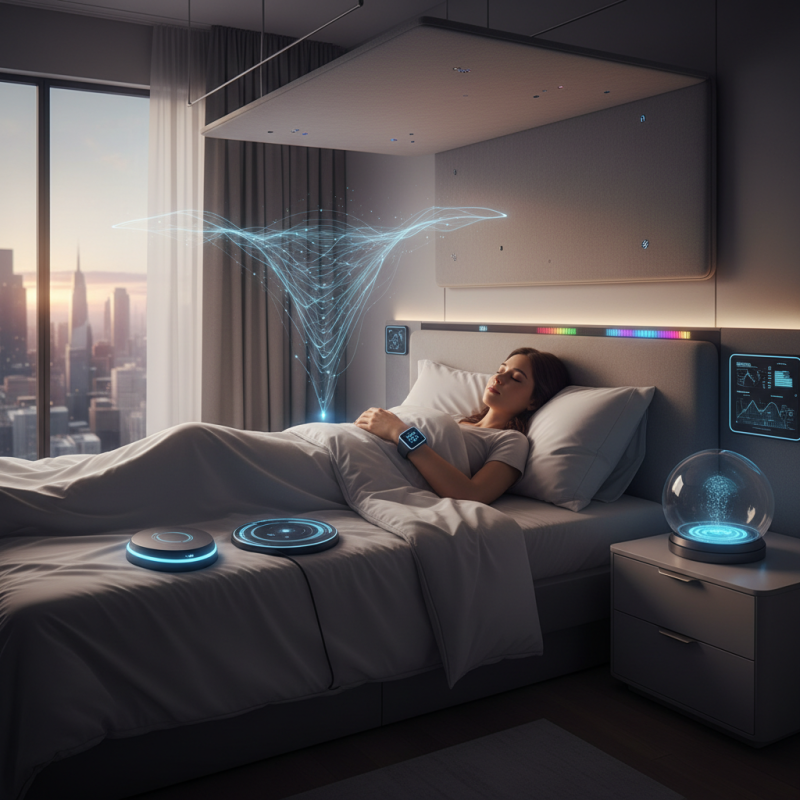
Understanding Sleep Monitoring Technology: An Overview
Sleep monitoring technology has evolved significantly in recent years. In 2026, understanding this technology is essential for improving our sleep quality. Reports indicate that nearly 70% of adults experience sleep-related issues, highlighting the need for effective solutions. Sleep monitors typically track various data points, such as heart rate, breathing patterns, and movement. These metrics can provide insights into sleep stages, saturation levels, and overall sleep quality.
Wearable devices remain a popular choice, often preferred for their convenience. Studies show that individuals using smartwatches or fitness trackers report a 15% improvement in sleep satisfaction. However, these devices can have limitations. For instance, while they may track metrics, interpreting this data can be complex. Not all wearable technology adequately accounts for individual variations unique to each user. Additionally, reliance on technology alone might not address underlying sleep disorders, which could require professional intervention.
Non-wearable options, such as sleep monitors integrated into mattresses, are gaining interest. They offer an alternative without the need for wearable devices. These systems often use advanced sensors to analyze sleep patterns. However, they may lack the personalization some users need. The key takeaway is that while technology offers valuable insights, careful evaluation of individual needs and limitations should guide the selection process. Balancing the available options will enhance sleep quality in the long run.
How to Choose the Best Sleep Monitoring Technology in 2026?
| Feature | Importance Level | Price Range | User Compatibility | Data Accuracy (%) | Battery Life (Days) |
| Heart Rate Monitoring | High | $100 - $300 | Adults | 95 | 7 |
| Sleep Apnea Detection | Very High | $200 - $500 | Adults | 90 | 5 |
| Temperature Monitoring | Medium | $50 - $150 | All Ages | 85 | 14 |
| Movement Tracking | High | $80 - $250 | Adults and Children | 88 | 10 |
| Sleep Quality Analysis | High | $120 - $400 | Adults | 92 | 8 |
Key Features to Consider in Sleep Monitoring Devices
When choosing sleep monitoring technology in 2026, consider the essential features that will enhance your sleep quality. One key aspect is accuracy. Devices should measure your sleep stages and disturbances with precision. Look for sensors that track heart rates and movement effectively. This data helps in understanding your sleep patterns.
Another important feature is user-friendliness. The interface should be intuitive. Complicated designs can lead to frustration. A straightforward app can make a significant difference. It should provide insights quickly and clearly. Users often prefer actionable tips over overwhelming statistics.
Consider the integration capability of the device too. Many people use various health apps. A sleep monitor that syncs seamlessly can add value. It creates a comprehensive view of your health. It can be tough to manage multiple devices, so simplicity is key.
Tips to remember: Ensure that the battery life is reliable, as frequent charging can disrupt usage. Read reviews to gauge the device's effectiveness from other users. Don't overlook the importance of comfort; wearing a device shouldn't disrupt your rest.
Sleep Monitoring Technology Comparison (2026)
This chart compares key features of various sleep monitoring technologies available in 2026. The features evaluated include Accuracy, User Comfort, Battery Life, and Data Privacy.
Evaluating Accuracy and Reliability of Sleep Tracking Solutions
When choosing sleep monitoring technology in 2026, evaluating accuracy and reliability is crucial. Recent studies illustrate that over 70% of consumers rely on sleep trackers to manage their rest. However, the accuracy of these devices can vary significantly. A report from the Sleep Research Society indicates that many devices misinterpret sleep stages, leading to unreliable data. Factors such as movement and environmental noise can further complicate the readings.
To enhance your selection process, consider a few essential tips. First, seek devices with validated algorithms. Peer-reviewed studies can provide insight into the technology’s reliability. Second, look for features like heart rate variability and respiratory patterns. These metrics offer a holistic view of your sleep health. While many products boast high-tech features, their effectiveness may not always meet consumer expectations.
Additionally, it’s essential to remember that not all data presented may be perfect. Tracking devices can occasionally oversimplify complex sleep patterns. Understanding your unique sleep behaviors is vital. Emphasize a technology that complements your lifestyle, rather than one that imposes strict definitions of what ‘good’ sleep should look like.
Comparing Popular Sleep Monitoring Technologies Available in 2026
In 2026, choosing the right sleep monitoring technology can improve your sleep quality. Popular options include wearables, smart mattresses, and apps. Each technology has unique features that cater to different needs. For instance, wearables track heart rate and movement while sleeping. Smart mattresses autonomously adjust firmness based on your sleep position. Apps often provide insights through data analysis.
A study by the Sleep Research Society indicated that nearly 70% of adults experience sleep issues. This underscores the importance of tracking sleep patterns accurately. Data reported by Statista in 2026 reveals that sleep-related technology adoption increased by 50% among younger adults. This suggests that these tools are becoming essential for maintaining good health.
Tips: Identify your personal sleep problems. Are you restless? Do you wake frequently? Understanding your needs can guide your technology choice. Also, read user reviews for insights. No single technology suits everyone. Experimentation might be necessary to find the right fit.
Assessing User Experience and Accessibility in Sleep Tech
In 2026, choosing sleep monitoring technology involves evaluating user experience and accessibility. Many devices claim to improve sleep quality but vary in usability. Some designs are user-friendly, while others may frustrate users. A device's interface should be intuitive, allowing easy navigation. Research indicates that complex setups deter engagement, making simplicity crucial.
Accessibility is equally important. Technology should accommodate diverse users, including those with visual or auditory impairments. Features like voice commands or clear visual indicators can enhance usability. A thorough assessment of these functionalities can reveal strengths and gaps. Reflecting on personal experiences with different devices could provide valuable insights into their effectiveness.
Not all sleep tech solutions work seamlessly for everyone. Some users may find certain technologies intrusive or uncomfortable during sleep. Gathering feedback from real users helps highlight these challenges. The goal should be to create inclusive and supportive environments for better sleep, where everyone feels empowered to improve their rest.