
• NEWS AND UPDATES

    The latest updates regarding our products and our company

How to Choose Essential Science Lab Equipment for Your Experiments?

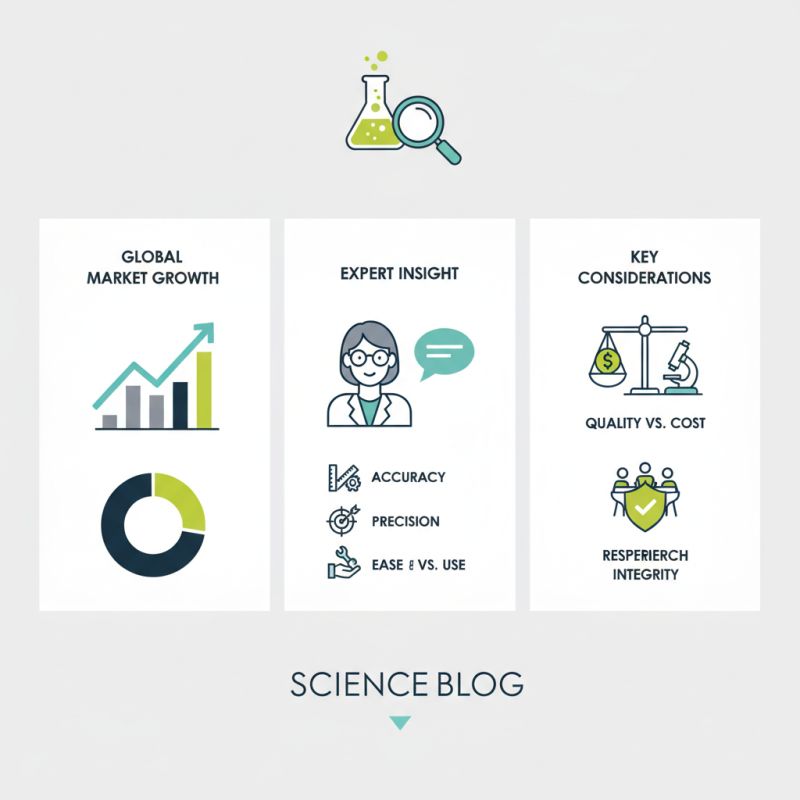
Choosing the right science lab equipment is crucial for successful experiments. Data from the Global Laboratory Equipment Market report indicates that the market is set to grow significantly, with an estimated CAGR of 7.5% from 2023 to 2030. This highlights an increasing investment in laboratory resources across various disciplines. According to Dr. Emily Carter, a leading expert in laboratory technologies, “The right equipment can significantly enhance the reliability and efficiency of your research outcomes.”

Selecting appropriate science lab equipment involves understanding your specific needs. Each experiment may require different tools and materials. Consideration must be given to accuracy, precision, and ease of use. For example, high-quality microscopes can make a difference in observing fine details in biological samples. However, the sheer variety can be overwhelming.

Balancing quality and cost is often a challenge. Some may opt for cheaper alternatives, but this can lead to compromised results. Involving experienced lab personnel in the decision can mitigate potential pitfalls. Ultimately, investing in reliable science lab equipment is an investment in the integrity of your research.
How to Choose Essential Science Lab Equipment for Your Experiments?

Understanding the Basics: Key Components of Science Lab Equipment

Choosing the right science lab equipment is crucial for successful experiments. Understanding the basics helps you make informed decisions. Key components include safety gear, glassware, and measuring instruments. Each piece plays a role in ensuring accuracy and protection during experiments.

When selecting glassware, focus on specificity. Different experiments require different types. Be aware of the risks involved with breakage. Investing in quality glassware may seem costly but can save you future expenses.

For measuring instruments, accuracy is essential. Calibrated scales and precise thermometers enhance experimental reliability. The integrity of your data hinges on these tools. Remember, using subpar instruments can lead to flawed results, prompting the need for reevaluation.

**Tip:** Regularly inspect your equipment for wear. Maintenance is often overlooked but essential for consistent performance. Stay vigilant and prioritize quality in your lab setup. Look for reliable resources to guide your choices, ensuring compliance with safety regulations.
Identifying Your Experimental Needs: Selecting the Right Tools

When selecting essential science lab equipment, identifying your experimental needs is crucial. Start by evaluating the specific objectives of your experiment. Consider factors such as the type of samples you'll be working with and the measurements you need to take. Reflect on the methodologies you plan to use. Gathering this information is the foundation for selecting suitable tools.

Tips:
Always ensure that your equipment meets safety standards. This is vital for both accurate results and laboratory safety. Choose instruments that are versatile enough for multiple experiments. This can save time and reduce costs.

Don't overlook the importance of calibration. Regular maintenance can extend the lifespan of your equipment. If results from your tools are inconsistent, reevaluate your choices. In some cases, less is more. A few high-quality instruments can sometimes outperform a larger set. It’s essential to find the right balance.

Essential Lab Equipment Categories: Glassware, Instruments, and Tools

How to Choose Essential Science Lab Equipment for Your Experiments?

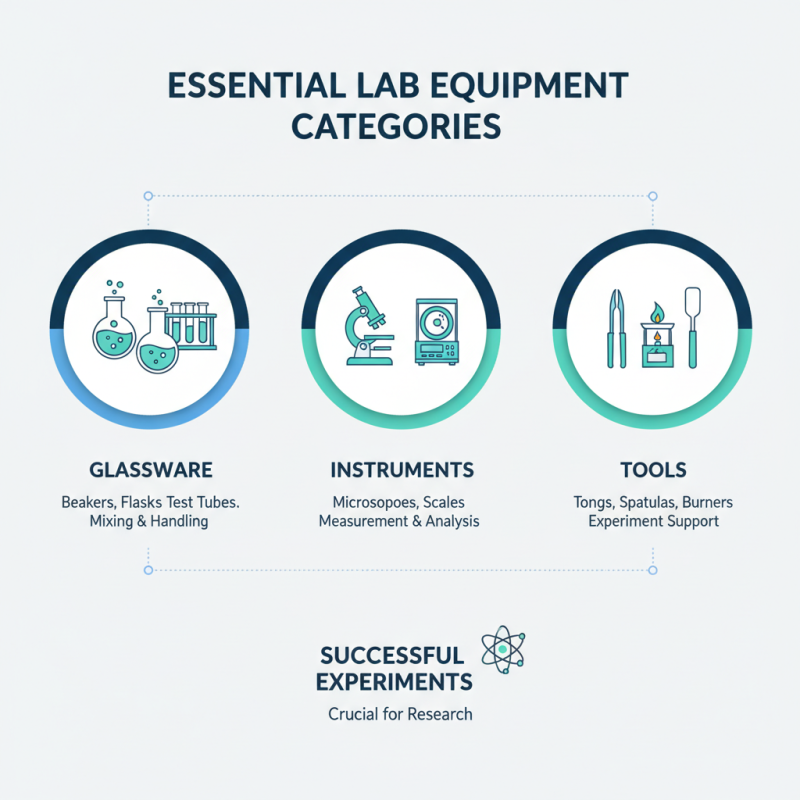
Choosing the right lab equipment is crucial for conducting successful experiments. When considering essential lab equipment, we can categorize items into glassware, instruments, and tools. Glassware is fundamental. Common items include beakers, flasks, and test tubes. Each type serves a specific purpose. For example, beakers are great for mixing, while flasks offer a narrow neck for easier handling.

In addition to glassware, laboratory instruments play a vital role. Balances and spectrophotometers allow for precise measurements. Accurate data is key to reliable results. Instruments can be costly, so it's essential to evaluate their necessity based on your experimental needs. Many labs face budget constraints, prompting the careful selection of instruments that provide the most value.

Lastly, specialized tools enhance efficiency and safety. These can include pipettes and gloves. The right tools can simplify procedures. However, improper use can lead to errors or accidents. Regular training and updates on best practices are important in any lab setting. Investing in equipment is necessary but consider the potential drawbacks and limitations of various items. Reflecting on your choices can help optimize your experimental outcomes.

Evaluating Quality and Safety Standards in Lab Equipment

When selecting science lab equipment, quality and safety are paramount. Equipment must comply with established safety standards. This ensures reliable performance during experiments. Inspect materials for durability, especially for glassware and other fragile items. Choose equipment that minimizes risks of breakage and exposure to hazardous substances. Regular maintenance is also critical for keeping safety standards.

Consider the certifications and testing protocols that equipment meets. Look for details on user manuals and safety data sheets. These documents can provide insights into safe handling. Evaluate manufacturer reputation based on reviews and industry standards. Asking colleagues about their experiences can reveal practical insights that certifications might not convey. Always assess how equipment can adapt to your specific experiments.

Reflect on the equipment you use regularly. Are there aspects that could be improved? Perhaps the ergonomics of a pipette or the calibration of a scale needs attention. Continuous evaluation helps foster a culture of safety. Take time to reevaluate your choices regularly to meet evolving safety needs. This approach can significantly enhance laboratory efficiency and safety.

Budgeting and Sourcing: Cost-Effective Solutions for Your Lab Needs

When budgeting for essential science lab equipment, it’s vital to assess your actual needs carefully. Identify which instruments are crucial for your experiments. This can save you from overspending on unnecessary gear. Prioritize quality over quantity. Investing in reliable tools can prevent costly replacements in the future.

Sourcing cost-effective solutions can be a challenge. Consider both new and refurbished equipment options. Many suppliers offer warranty services on second-hand items. These can range from basic lab tools to advanced analytical instruments. Compare prices across various vendors to find the best deals.

It’s also important to build good relationships with suppliers. Networking can provide insight into sales, discounts, or bulk purchase options. Don't be afraid to negotiate. Many companies appreciate a long-term customer and may offer flexibility. Reflecting on these budgeting strategies can help optimize your lab’s potential without compromising quality.