

• NEWS AND UPDATES

    The latest updates regarding our products and our company

How to Choose the Right Ebm Papst Fans for Your Needs?

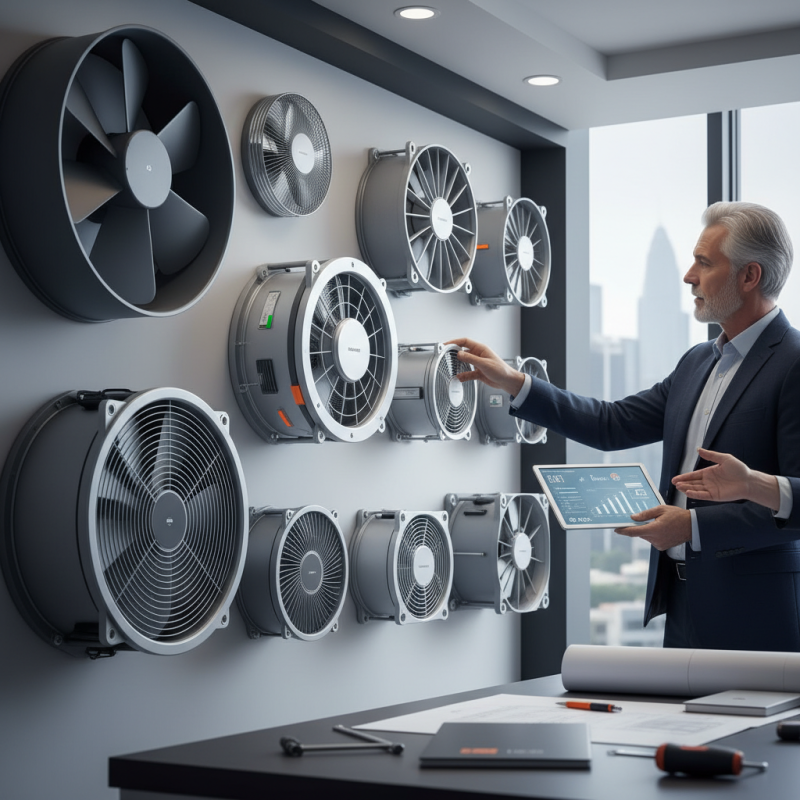
Selecting the right Ebm Papst Fans for your needs can feel overwhelming. Experts in the industry emphasize understanding specific requirements. According to John Smith, a leading HVAC specialist, "Choosing the right fan involves careful consideration of airflow and efficiency." His experience highlights the importance of matching the fan's specifications to your application.

Ebm Papst Fans are known for their technology and efficiency. Their range offers solutions for various settings, from industrial applications to residential use. Acknowledging the variety can be daunting. It’s easy to overlook essential features like size, noise level, and energy consumption. Each factor significantly impacts performance and satisfaction.

Potential buyers often make hasty decisions. This can lead to mismatched fans that do not meet their needs efficiently. Take time to assess your environment and requirements. Rushing through the selection process may result in costly mistakes. Investing time in understanding Ebm Papst Fans greatly enhances your overall experience.
How to Choose the Right Ebm Papst Fans for Your Needs?

Factors to Consider When Selecting Ebm Papst Fans for Your Application

When selecting fans for your application, several key factors come into play. The airflow requirements are crucial. High-performance environments often need a higher CFM (cubic feet per minute) to maintain efficiency. According to data from industry reports, systems that underperform in airflow can lead to overheating. This can damage equipment and increase operational costs.

Noise levels also matter. Many applications demand quiet operation. Depending on your environment, a fan's acoustic performance can significantly impact comfort levels. Studies suggest that for every 10 dB increase in sound, perceived noise doubles. Thus, understanding the sound power levels in relation to your needs is essential.

Another critical factor is energy efficiency. Fans consume a substantial portion of electrical energy in industrial settings. Reports indicate that efficient fans can reduce energy use by up to 30%. This not only lowers operational costs but also aligns with broader sustainability goals. However, selecting high-efficiency models may require higher upfront investment. Weighing long-term savings against initial costs is crucial. Understanding these factors thoroughly will enhance the decision-making process, ultimately leading to a more effective selection.

Understanding Airflow Requirements: CFM and Static Pressure Ratings

When selecting fans for specific applications, understanding airflow is crucial. Two key metrics to consider are CFM (Cubic Feet per Minute) and static pressure ratings. CFM measures how much air a fan can move. This is vital for ensuring effective ventilation and cooling. If the CFM is too low, the system won't function efficiently. However, if it’s too high, it can lead to energy waste and noise issues.

Static pressure ratings indicate how well a fan performs against resistance in a system. Fans often face obstacles like ducts, filters, and grilles. High static pressure means the fan can push air through these obstructions effectively. Without adequate static pressure rating, you may notice airflow problems. Sometimes, fans perform poorly due to mismatched specs. It’s an oversight that can become costly.

Choosing the right specifications can be challenging. Some users experience frustration when actual performance doesn't meet expectations. Installations can be tricky, and real-world conditions vary. Regular testing and adjustments may be necessary. A fan that works well in theory may not always succeed in practice. It’s essential to reassess needs regularly.

Evaluating Energy Efficiency: Impacts of EC Technology in Fan Selection

When evaluating fans for different applications, energy efficiency plays a crucial role. EC technology has transformed how we choose and use these devices. These fans adjust their speed based on demand, resulting in lower energy consumption. This adaptability is essential for many commercial environments where constant airflow is not always needed.

While EC fans offer significant benefits, it's important to consider potential drawbacks. They can be more expensive upfront compared to traditional fans. However, the long-term savings on energy bills often justify this initial investment. It's vital to perform a cost-benefit analysis. Assess the expected lifespan and maintenance requirements to determine if EC technology is the right fit.

The environment also benefits from energy-efficient fans. Reduced energy use leads to a smaller carbon footprint. However, users must check compatibility with existing systems. Not all installations will seamlessly accommodate advanced fan technology. Regular reviews and adjustments may be necessary to optimize performance. Balancing immediate costs with future savings ensures a smarter choice in fan selection.

Noise Level Considerations: How dB Ratings Affect Performance Choices

When choosing the right fan, noise level is a crucial factor. The decibel (dB) rating of a fan directly impacts both performance and user experience. Research indicates that fans rated at 30 dB are nearly inaudible, ideal for quiet environments. In contrast, a fan at 50 dB can be quite disruptive, comparable to background noise in a busy office.

Understanding how dB ratings affect performance is vital. A fan with a higher dB rating often moves more air, which may be advantageous in industrial settings. According to industry reports, fans operating above 60 dB can hinder conversations and may be unsuitable for comfort-focused applications. However, fans with lower dB ratings can struggle to maintain airflow in demanding conditions, leading to inefficiencies.

Ultimately, the right balance between noise and performance is critical. Consider the environment where the fan will be used. A fan may appear to meet specifications on paper, but real-world performance can differ. Manufacturers often rely on ideal testing conditions, which may not reflect actual use scenarios. Evaluating noise alongside airflow capacity will ensure a more informed decision in selecting the fan that best fits user needs.

Noise Level Considerations for Selecting EBM Papst Fans

Assessing Operating Conditions: Temperature and Environmental Factors

When selecting the right fans for your application, understanding environmental factors is crucial. Operating conditions greatly influence performance, especially concerning temperature and humidity. For instance, fans operating in high-temperature environments may require special materials to withstand heat. According to industry reports, temperatures above 70°C can significantly decrease fan lifespan if not designed for those conditions.

Humidity levels also matter. High humidity can lead to corrosion in standard components. Using fans designed with corrosion-resistant materials can prolong their operational life. The American Society of Heating, Refrigerating and Air-Conditioning Engineers (ASHRAE) suggests keeping relative humidity below 60% in critical systems.

Tip: Always check for IP ratings. An IP rating indicates a fan's ability to resist dust and moisture. Selecting fans with higher ratings protects against environmental impacts.

Consider vibrations and noise levels too. In sensitive environments, such as laboratories, even minor vibrations can affect equipment. Choosing quieter fans might be necessary for ensuring optimal operation. Regular maintenance can prevent unexpected failures.

Tip: Document operating conditions. Keeping a record helps in evaluating fan performance over time. It can guide future replacements or upgrades, offering valuable insights into your operational efficiency.

How to Choose the Right Ebm Papst Fans for Your Needs? - Assessing Operating Conditions: Temperature and Environmental Factors

Fan Type Max Operating Temperature (°C) Min Operating Temperature (°C) IP Rating Typical Applications
AC Axial Fan 70 -20 IP20 Cooling electronic enclosures
DC Blower Fan 60 -10 IP45 Medical devices
EC Axial Fan 80 -20 IP44 HVAC systems
High-Pressure Fan 90 0 IP54 Industrial machinery
Centrifugal Fan 75 -10 IP30 Cooling and ventilation

Article Source: