

NEWS AND UPDATES
The latest updates regarding our products and our company

How to Choose the Right Femoral Inserter for Your Needs?
Choosing the right Femoral Inserter is crucial for surgical success. This instrument plays a vital role in various orthopedic procedures. Selecting the best option requires understanding your specific needs and preferences.
Consider the design features of the Femoral Inserter. Different models offer unique grips and angles. A comfortable grip can enhance control during intricate surgeries. Ensure that the inserter aligns well with the anatomy of the femur for precise placement.
Expert opinions suggest that weight and material also matter. Lightweight models may reduce fatigue for surgeons. Look for durable options to withstand repeated use. Remember, a Femoral Inserter should not only meet technical specifications but also feel right in your hand. Reflect on past experiences with instruments, as this will guide your choices.
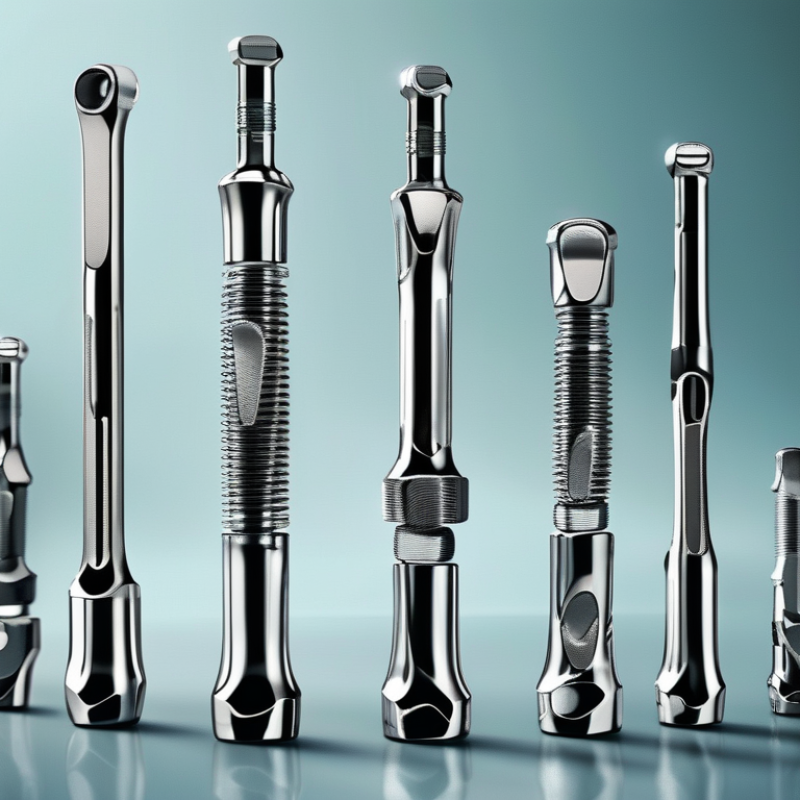
Understanding Femoral Inserters: Types and Functions
When selecting a femoral inserter, it’s vital to understand the various types and their functions. Femoral inserters come in multiple designs tailored for specific surgical needs. Some are designed for total knee replacements, while others are for hip arthroplasties. Each type has a unique mechanism for placing components accurately. The variances can impact surgical outcomes significantly. Knowing the specific requirements of your procedure can guide your choice effectively.
Certain features can enhance the usability of a femoral inserter. For instance, ergonomic handles can reduce hand fatigue during lengthy surgeries. Adjustable depth settings allow for precision placement, which is crucial for successful implant alignment. Always consider the weight and balance of the inserter as well. A well-balanced tool can provide better control and reduce the risk of complications.
Keeping in mind the learning curve associated with each inserter type is essential. Surgeons must practice with new devices to fully understand their functions. Recognizing that there may be a period of adjustment can lead to more successful outcomes. Familiarizing oneself with the inserter before an operation can increase confidence and efficiency during the procedure. Testing various designs and soliciting feedback can also foster improvement in surgical techniques.
Key Factors to Consider When Choosing a Femoral Inserter
Choosing a femoral inserter involves several critical considerations. The device's design must align with your surgical technique. Look for ergonomics that fit comfortably in your hand. It should facilitate precise placement during the procedure. Evaluate the inserter's weight too; a lighter device may reduce fatigue during extended surgeries.
Another essential factor is the inserter's material. Some options are made from stainless steel, providing durability. Others may use advanced composites that offer lightweight benefits. Assess the ease of sterilization for your specific setting. It is vital to ensure that the material can withstand repeated sterilization without wear.
Compatibility with the surgical tools and implants you use is also crucial. A mismatched inserter could lead to complications. Research the feedback from fellow professionals. Their experiences may uncover issues you had not considered. Understand that the ideal choice might vary depending on individual circumstances and preferences. Reflect on your past experiences and remain open to learning from them.
Evaluating the Quality and Durability of Femoral Inserters
When selecting a femoral inserter, quality and durability are paramount. A high-quality inserter should withstand the rigors of surgical procedures. Materials used in its construction play a critical role. Stainless steel is often preferred due to its strength and resistance to corrosion. The design of the inserter, including ease of grip and maneuverability, directly affects surgical efficiency.
Evaluating durability goes beyond just materials. Testing processes are vital. A thorough review of a product’s performance history can reveal much. Some inserters may perform well initially but may show wear and tear over time. It's important to gather feedback from experienced surgeons. Their insights can highlight potential issues that standards may overlook.
Consider the ergonomics of the device. Does it feel comfortable during prolonged use? A poor fit can lead to stress injuries. User experience is as critical as technical specifications. However, while reviews can guide decisions, personal preference plays an essential role in choosing the right instrument. Balancing these factors can be challenging, but it’s necessary for optimal outcomes in surgical procedures.
Assessing Compatibility with Surgical Techniques and Procedures
Choosing the right femoral inserter is crucial for effective surgical outcomes. When assessing compatibility with various surgical techniques, consider the design and functionality. Different procedures may require specific inserter features. Pay attention to the inserter's ease of use. A user-friendly design can facilitate better precision and improve the overall surgical experience.
It’s essential to evaluate the inserter's alignment and grip. A well-designed inserter should provide stability during the procedure. An unstable tool could lead to complications. Test out different models if possible. Hands-on experience can reveal how each one performs in real-life situations.
Surgeons should also reflect on their individual techniques. What works for one procedure may not be suitable for another. Consider your own comfort level with various inserters. Take time to explore options and seek feedback from peers in your field. Understanding the nuances of each design will ultimately enhance surgical success.
Comparison of Femoral Inserters Based on Compatibility with Surgical Techniques
Exploring Manufacturer Reputation and Customer Support Options
When choosing a femoral inserter, manufacturer reputation is crucial. A reputable manufacturer often indicates quality and reliability in their products. Look for companies with a long history in the industry. Research their track record, paying attention to their experience and expertise. Understanding their manufacturing processes can give insights into product durability.
Customer support is just as vital. Effective support can save time and ensure proper use of the inserter. Consider how quickly they respond to inquiries. A responsive customer service team signifies a commitment to users. Ask for testimonials or feedback from other users. This can reveal potential issues or strengths of the product.
It’s also important to be aware of the limitations. Not all reputable companies may offer comprehensive support. Some manufacturers might improve on certain aspects, but fall short in user education. Evaluate your own needs carefully. Balancing quality with support can lead to a more satisfying experience with your femoral inserter.
How to Choose the Right Femoral Inserter for Your Needs?
| Feature | Option 1 | Option 2 | Option 3 |
|---|---|---|---|
| Weight | Lightweight (0.5 kg) | Standard (1 kg) | Heavy-Duty (1.5 kg) |
| Materials | Aluminum | Stainless Steel | Titanium |
| Grip Type | Rubber Grip | Ergonomic Grip | Textured Grip |
| Compatibility | Standard Implants | Specialized Implants | Universal Compatibility |
| Customer Support | 24/7 Support | Business Hours Support | Email Only |
Article Source:
Schedule
Monday to Thursday:
8:15 – 17:00
Friday:
8:00-15:00
Address
Leonardo Da Vinci, 10
Valencia Technology Park
46980 Paterna, Valencia, SPAIN
Real Laboratory SL
info@site_e1c8a3bd-d539-4d7f-8695-37f21373de39
Teléfono: +34 96 136 61 07
