

• NEWS AND UPDATES

    The latest updates regarding our products and our company

Top 5 Concrete Batching Plant Advantages for Global Buyers?

The global construction industry continues to evolve, and the importance of efficient concrete production cannot be underestimated. One key player in this sector is the Concrete Batching Plant. This facility allows builders to create high-quality concrete tailored to specific project requirements. Its significance grows especially in large-scale construction projects, where precision and timing are crucial.

Investing in a Concrete Batching Plant brings several advantages for buyers. It offers flexibility and control over the mixing process, ensuring consistent concrete quality. Additionally, it can reduce production costs and improve project timelines. However, navigating the options available may lead to confusion for some buyers. Understanding the practical benefits is essential in making an informed decision.

Considering these points, reflecting on how a Concrete Batching Plant can enhance your construction operations is vital. The right choice can significantly impact efficiency and project success. It is crucial to weigh the pros and cons with careful analysis. Ultimately, investing in a Concrete Batching Plant could be a game changer for many in the construction industry.
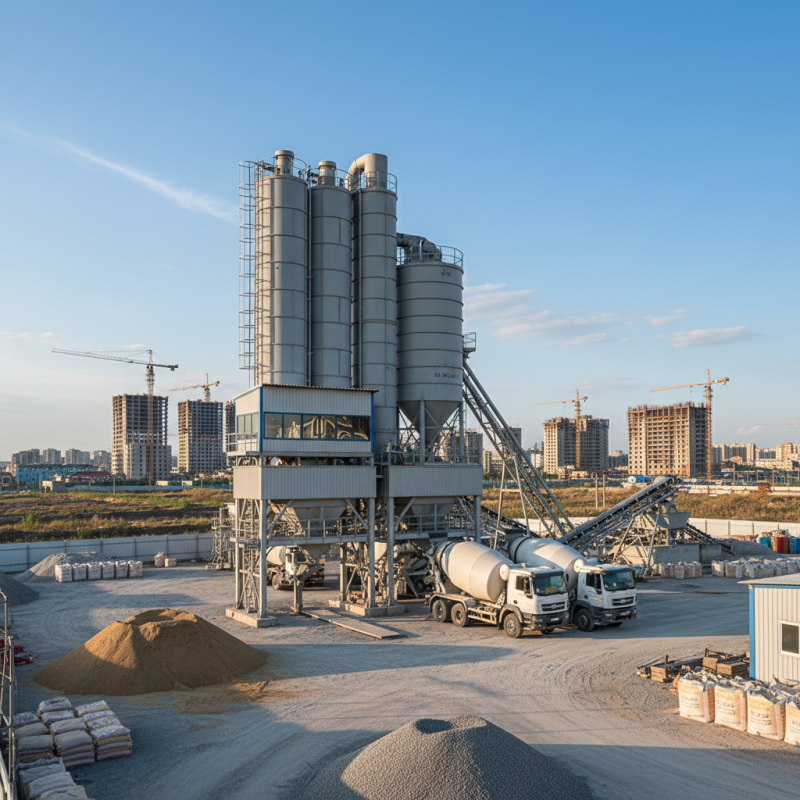
Top 5 Concrete Batching Plant Advantages for Global Buyers?

Key Benefits of Concrete Batching Plants for International Buyers

Concrete batching plants offer several significant benefits for international buyers. One notable advantage is increased efficiency. According to recent industry data, modern batching plants can improve production efficiency by up to 30%. This gain stems from automated processes and optimized resource management. Such efficiency helps companies meet tight project deadlines, which is crucial in competitive markets.

Another key benefit lies in quality control. Batching plants ensure consistent mixtures, reducing variability in the final product. Reports indicate that projects utilizing advanced batching technology observe less than 2% deviation in concrete quality. This precision not only enhances structural integrity but also builds trust with clients and regulators, who demand high standards.

Moreover, environmental considerations become increasingly important. Many plants now incorporate sustainable practices, like recycling water and materials. A survey showed that about 70% of buyers prefer suppliers with eco-friendly operations. However, buyers must also reflect on the costs associated with these technologies. Initial investments can be substantial, and not every plant may achieve the promised energy savings. Balancing sustainability with financial feasibility requires careful deliberation.

Enhanced Efficiency in Concrete Production Processes

Enhanced efficiency in concrete production can significantly benefit global buyers. Modern concrete batching plants are designed to streamline processes, reducing waste and improving output quality. These plants utilize advanced technology, enabling faster mixing times and precise ingredient measurements. Enhanced automation reduces human error, which is crucial for maintaining consistent quality.

Moreover, the flexibility of concrete batching plants allows for customization based on specific project needs. This adaptability can lead to more efficient responses to changing demands, such as varying batch sizes or mix designs. Buyers might notice that optimized workflow can minimize downtime, but there can still be challenges in equipment calibration. Regular maintenance and operator training are essential to ensure that equipment runs smoothly.

Investing in a concrete batching plant can lead to long-term gains, but it's not without its complexities. Understanding production requirements is key for maximizing efficiency. Buyers must consider potential issues like supply chain fluctuations which can affect material availability. Continuous evaluation and investment in staff expertise are needed. This commitment can ultimately enhance productivity and maintain a competitive edge in the market.

Top 5 Concrete Batching Plant Advantages for Global Buyers

This chart illustrates the key advantages of concrete batching plants that enhance efficiency in production processes. The data highlights various benefits that appeal to global buyers.

Reduced Labor Costs Through Automation Technology

The rise of automation technology in concrete batching plants has transformed operations, particularly by reducing labor costs. Automation allows for precise mixing and timely processing, minimizing human input. As a result, companies can allocate labor to more strategic tasks, enhancing overall productivity. Shortening labor hours not only cuts expenses but also reduces the risk of workplace injuries.

Tips: Consider investing in training for your staff. Familiarize them with automated systems to maximize efficiency. Regular maintenance of equipment is essential, too. It prevents unexpected downtimes and ensures consistent quality.

Despite these advantages, some challenges can arise. Transitioning to automation requires an upfront investment that may discourage smaller operations. Additionally, reliance on technology can lead to difficulties in troubleshooting manual processes. Carefully assess your operational needs before implementing significant changes. Balancing automation with skilled labor can yield optimal results in most cases.

Improved Quality Control and Consistency in Concrete Mixes

Concrete quality control is crucial in construction. By implementing advanced batching plants, buyers can achieve superior consistency in concrete mixes. These plants use precise measurements for each ingredient. This leads to fewer errors and a more reliable product.

The automation in batching plants minimizes human intervention. While this reduces the risk of mistakes, it also requires skilled operators. There's a learning curve for staff to manage these systems effectively. Companies must invest in training to ensure optimal performance.

In addition, consistent concrete quality enhances structural integrity. Variations in mix can lead to weak points. Ensuring uniformity demands ongoing monitoring and adjustments. Buyers should reflect on the balance between automation and skilled labor to maintain high standards.

Flexible Plant Configurations to Meet Diverse Project Needs

Concrete batching plants are essential for various construction projects. Their flexible configurations cater to diverse project needs. Buyers often seek solutions tailored to specific requirements. Different projects require different capacities and capabilities. A custom solution can enhance efficiency and productivity.

Portable and modular designs are popular. They allow easy relocation and scalability. Such flexibility is vital for projects that evolve. Clients can adapt their batching plants to changing circumstances. This adaptability can lead to significant cost savings. On-site batching reduces transportation costs.

However, choosing the right configuration can be challenging. It requires understanding the project's demands and future growth. Sometimes, a buyer may not realize their needs until they start a project. This could lead to inefficiencies. Buyers should consult experts to avoid costly mistakes. A careful assessment ensures the right plant configuration.

Top 5 Concrete Batching Plant Advantages for Global Buyers

Advantage Description Impact on Projects
Flexible Configurations Plants can be customized based on project requirements and scale. Allows for efficient use of space and resources, meeting project needs effectively.
Higher Production Efficiency Advanced technology enables quicker batching and mixing processes. Improves timeline adherence and reduces waiting periods for concrete supply.
Cost Effectiveness Reduces the overall cost of materials and labor through efficient batching. Enhances profit margins by minimizing waste and lowering production costs.
Quality Control Automated systems allow for consistent mix quality and real-time monitoring. Ensures high standards of construction and reduces rework costs.
Environmental Benefits Implementing eco-friendly materials and processes reduces the carbon footprint. Promotes sustainable development and enhances project reputation.

Conclusion

Concrete Batching Plants offer significant advantages for global buyers, making them an essential investment in the construction industry. One of the primary benefits is enhanced efficiency in concrete production processes, allowing for quicker project turnaround times. Additionally, the implementation of automation technology in these plants leads to reduced labor costs, streamlining operations and minimizing the need for extensive manual labor.

Moreover, Concrete Batching Plants ensure improved quality control and consistency in concrete mixes, crucial for meeting project specifications. Their flexible configurations cater to diverse project needs, enabling customization for varying scales and requirements. Lastly, many modern plants incorporate sustainability features, promoting environmentally friendly practices in concrete production. Overall, these advantages position Concrete Batching Plants as a vital component for efficient and responsible construction practices worldwide.