
• NEWS AND UPDATES

    The latest updates regarding our products and our company

Top Laboratory Equipment You Need for Your Research?

In the world of scientific research, having the right laboratory equipment is crucial. Dr. Emily Carter, a renowned expert in laboratory technology, emphasizes this by stating, "Quality equipment defines the accuracy of our results." Choosing the right tools can impact the success of an experiment. Yet, many researchers overlook this essential aspect.

Laboratory equipment varies widely, from pipettes to centrifuges. Each piece serves a unique purpose and can influence the outcome. Many researchers often compromise on quality, thinking budget constraints justify it. However, this can lead to erroneous data and wasted time. Investing in reliable equipment pays off in the long run.

Every lab should evaluate their needs carefully. What works for one research area might not be suitable for another. Identifying specific requirements can sometimes feel overwhelming. Still, it’s fundamental for advancing scientific inquiries. Without the proper equipment, potential discoveries remain elusive.
Top Laboratory Equipment You Need for Your Research?

Essential Research Tools: A Comprehensive Guide to Laboratory Equipment

In any laboratory setting, having the right equipment is crucial for successful research. Key items such as microscopes, centrifuges, and pipettes can make a significant difference. Microscopes allow scientists to observe tiny details in samples that are otherwise invisible. Centrifuges help in separating substances based on density, facilitating experiments in biochemistry or molecular biology.

Essential laboratory tools also include analytical balances for precise measurements. Accuracy is vital here; even a slight error can alter results. Moreover, safety equipment like fume hoods and gloves should not be overlooked. They protect researchers from harmful substances, yet they are often underused or improperly maintained. It's a constant reminder that safety should never take a back seat.

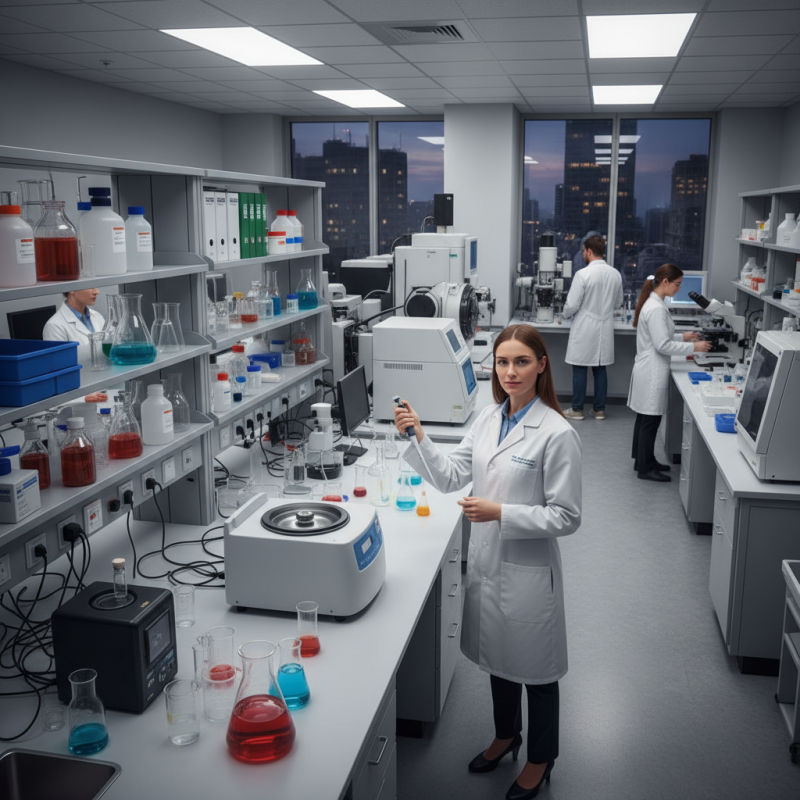
The layout of a lab can also affect workflow and productivity. Cluttered spaces can hinder experiments, leading to frustration. Organizing equipment and materials can help streamline processes. It is easy to forget that every inch of space counts. Effective use of laboratory equipment involves not just knowing how to operate them but also understanding their limitations and potential.

Top Laboratory Equipment You Need for Your Research

Equipment Name Purpose Specifications Typical Price Range
Microscope Magnifying small objects for analysis 40x to 1000x magnification, LED illumination $200 - $2000
Centrifuge Separating substances of different densities Speed up to 15000 RPM, capacity 10 ml to 50 ml $1000 - $5000
Pipette Transferring small volumes of liquids Volume range: 0.1 µl to 10 ml $10 - $300
Incubator Providing controlled temperature and humidity Temperature range: 25°C to 60°C $500 - $3000
Spectrophotometer Measuring light absorbance of samples Wavelength range: 200 nm to 1000 nm $1500 - $10000
Fume Hood Ventilating hazardous fumes Varied sizes, with ventilation systems $3000 - $15000

Types of Laboratory Equipment: An Overview for Researchers

Top Laboratory Equipment You Need for Your Research?

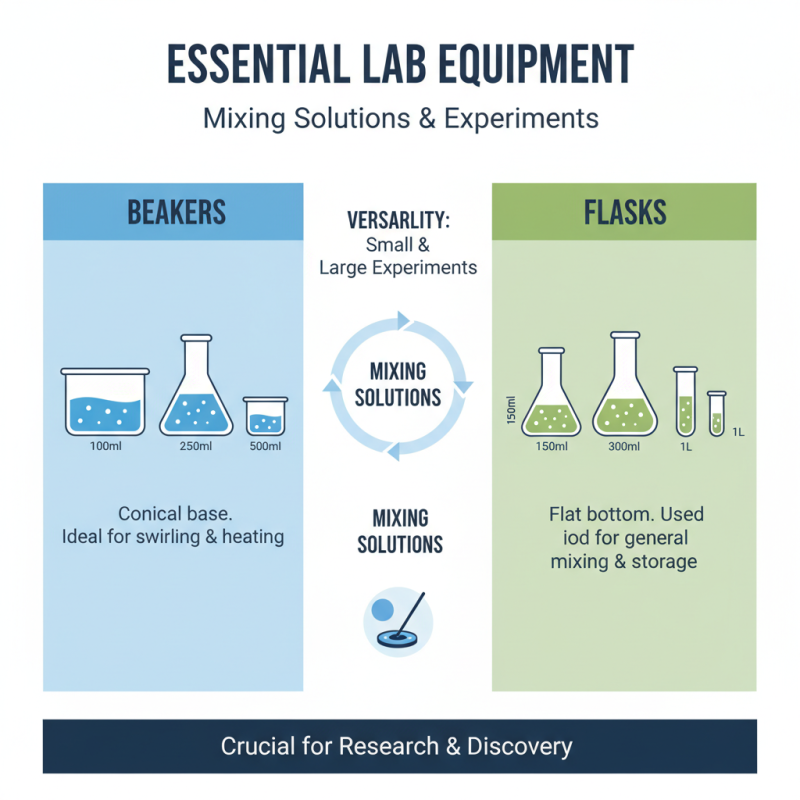
In any research lab, having the right equipment is crucial. Different types of laboratory equipment serve various functions. For instance, beakers and flasks are essential for mixing solutions. They come in various sizes, offering versatility for small or large experiments.

Microscopes allow researchers to observe samples at a cellular level. Fine-tuning the focus can be tricky and requires practice. Balance scales are another vital tool. They measure mass with precision, but even minor errors can lead to significant results. Many researchers often overlook the importance of calibration.

Safety equipment such as gloves and goggles plays a key role. They protect researchers from potential hazards. However, it's easy to forget these essentials in the rush of daily tasks. Proper storage of chemicals in labeled containers is critical. Mislabeling can lead to dangerous situations. Engaging with these details can help refine research processes and promote a safer lab environment.

Selection Criteria for Quality Laboratory Instruments

Selecting quality laboratory equipment is crucial for reliable research outcomes. Different fields have unique requirements. Understanding the specific needs of your research will guide your choices. Reports indicate that around 30% of researchers cite equipment reliability as a major concern. This highlights the importance of selection criteria.

Key criteria include: accuracy, precision, and usability. For instance, instruments should provide consistent results. A recent study showed that 25% of research projects faced delays due to faulty instruments. Consider how easy it is to operate the equipment. Complex setups can waste time and reduce productivity. Simplicity matters.

Another factor is the availability of support and maintenance. Some laboratories struggle with equipment breakdowns, which can affect research timelines. Invest in equipment that comes with reliable customer support. This will save time and resources in the long run. Ultimately, choosing well requires thought and a balance of multiple factors.

Safety Considerations When Using Laboratory Equipment

Top Laboratory Equipment You Need for Your Research?

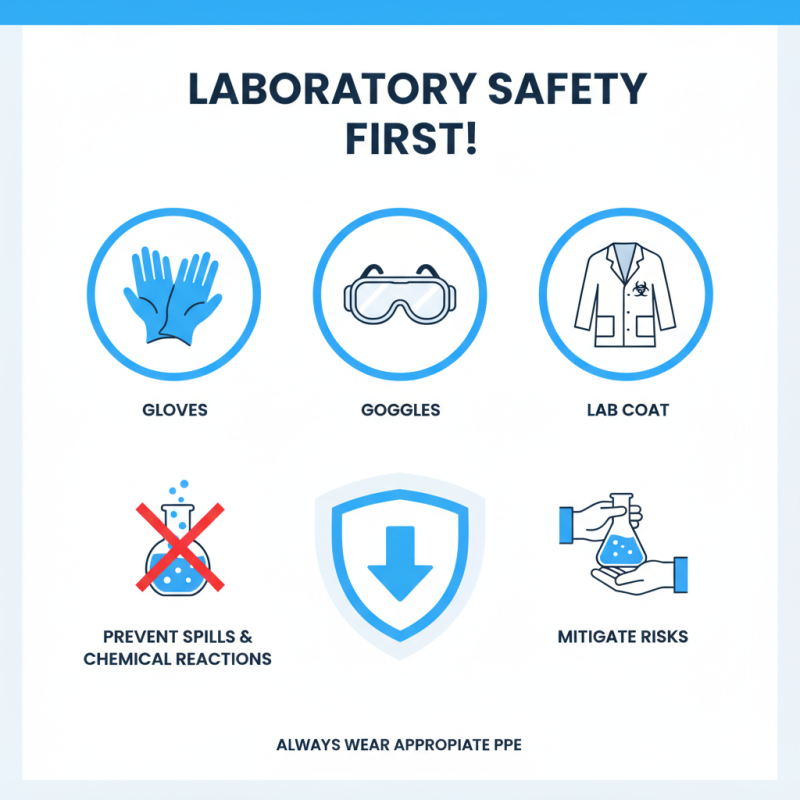
When working in a laboratory, safety should always be a priority. Using equipment carries inherent risks. Understanding how to mitigate these risks is crucial. For instance, always wear appropriate personal protective equipment (PPE). This includes gloves, goggles, and lab coats. They can prevent injuries caused by spills or chemical reactions.

Proper training is essential before using any lab equipment. Many accidents occur due to improper use. Take the time to familiarize yourself with each machine. Follow the protocols carefully. This may seem tedious, but it can save you from serious harm. Additionally, ensure that your workspace is free from clutter. A tidy environment can prevent accidents and improve focus.

Sometimes, you might overlook minor details. A small spill can lead to a slippery floor. Be aware of your surroundings and report any hazards immediately. Regular safety drills are also important. They help reinforce good practices. Remember, taking shortcuts often leads to mistakes. Always prioritize safety over speed in the lab. Strive for a culture of safety; it can make a significant difference.

Budgeting for Laboratory Equipment: Strategies for Researchers

Budgeting for laboratory equipment can be a daunting task for researchers. The needs may vary widely depending on the specific field of study. According to recent industry reports, up to 75% of academic and research institutions operate under tight budgets. Allocating funds efficiently requires careful planning. Researchers should prioritize purchases based on essential needs.

One effective strategy is to utilize shared lab resources. Collaborating with colleagues can significantly reduce individual costs. In many institutions, shared equipment can lower expenses by an average of 30%. Moreover, consider second-hand equipment. Several platforms offer refurbished machinery at reduced prices, making them accessible for tight budgets.

Regularly reassessing equipment needs is crucial. Many researchers invest significantly in high-end technology, only to find it rarely used. Keeping track of utilization can help in making informed decisions. Additionally, keeping a continuous dialogue with suppliers can open the door to discounts or payment plans. Balancing cutting-edge technology with budgetary constraints is an ongoing challenge, but awareness and strategy can lead to better outcomes.

Top Laboratory Equipment Budgeting for Researchers