Top Hospital Surgical Equipment Buyers Guide in China?
In the fast-evolving landscape of healthcare, the choice of Hospital Surgical Equipment is crucial. Dr. Emily Chen, a renowned orthopedic surgeon, emphasizes, "The right tools can significantly change patient outcomes." As hospitals upgrade their facilities, understanding the equipment market becomes essential. Many buyers face challenges in selecting the best products that align with their needs.
China's healthcare industry is burgeoning, with advanced technologies emerging rapidly. Hospitals must navigate a marketplace filled with options, each claiming superiority. However, the decision-making process can be daunting. Buyers often grapple with differentiating between high-quality equipment and less reliable alternatives. This uncertainty can affect the delivery of care.
The guide aims to provide clarity for healthcare professionals. It highlights critical factors to consider when evaluating Hospital Surgical Equipment. By focusing on expert recommendations, performance metrics, and user feedback, we aim to empower decision-makers. Sourcing the right equipment is not just about cost; it's about prioritizing patient safety and surgical success.
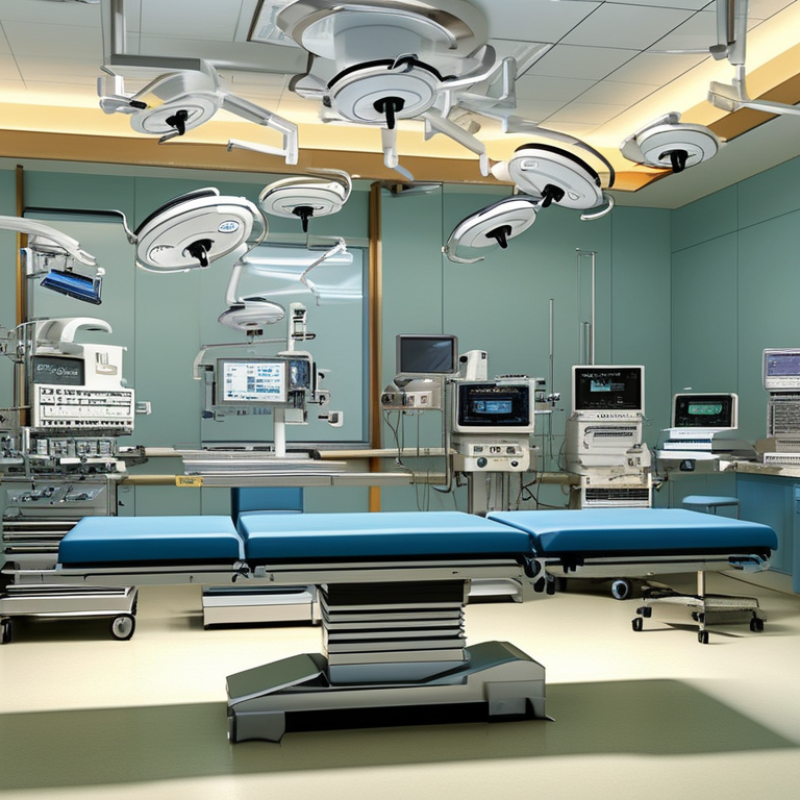
Overview of Surgical Equipment Market in China: Key Statistics
The surgical equipment market in China is experiencing rapid growth, driven by an aging population and increasing healthcare needs. In 2022, the market was valued at approximately $6 billion and is projected to continue expanding at a compound annual growth rate (CAGR) of around 10% over the next few years. Various surgical instruments and advanced technologies are gaining traction. This includes minimally invasive devices, robotic surgery tools, and imaging equipment, all contributing to better patient outcomes.
Despite this promising landscape, there are challenges. Quality control remains a significant issue. Not all suppliers meet high standards, raising concerns about the safety and reliability of their products. Additionally, the regulatory landscape is complex, which can hinder market entry for new players. Hospitals must remain diligent when sourcing equipment. They need to thoroughly evaluate suppliers and ask critical questions about certification and compliance. This careful approach will help ensure that surgical teams have access to dependable tools that improve surgical precision and patient care.
Types of Surgical Equipment Used in Top Chinese Hospitals
Surgical equipment plays a crucial role in modern healthcare. Top hospitals in China utilize a variety of devices to enhance patient outcomes. Common types include surgical instruments, imaging systems, and anesthesia machines. Each category serves a specific purpose, ensuring precision and safety during procedures.
Surgical instruments encompass scalpels, forceps, and scissors. These tools are essential for various operations, ensuring that surgeons perform tasks accurately. Imaging systems, like MRI and CT scans, provide critical insights. They allow doctors to visualize internal structures, aiding in diagnosis and planning.
Anesthesia machines are vital for patient comfort and safety. They deliver controlled doses of anesthetic agents. However, managing these machines requires expertise. Even small errors can lead to complications. Hospitals invest in training personnel to minimize risks. As technology evolves, continuous improvement is needed to ensure equipment remains reliable and effective.
Factors Influencing Surgical Equipment Purchasing Decisions in China
When purchasing surgical equipment, Chinese hospitals consider various critical factors. Cost-effectiveness plays a significant role. Budget constraints often dictate choices. Hospitals aim for quality without overspending. Importantly, the total cost of ownership is a common measure. This includes maintenance, training, and support. Equipment that is cheaper upfront may lead to higher long-term costs.
Another key factor is technological advancement. Hospitals seek innovative solutions that improve patient outcomes. Standard features, such as ease of use and integration with existing systems, matter greatly. Training and support for staff are essential aspects of the decision-making process. Some hospitals struggle with the steep learning curve associated with new technologies.
Regulatory compliance is also a pressing concern. Equipment must adhere to local regulations and safety standards. Hospitals need reliable suppliers who provide certified products. In an evolving market, hospitals often find it challenging to keep up with new regulations. These complexities impact purchasing decisions significantly. Thus, hospitals must weigh these factors carefully to ensure optimal choices for their surgical departments.
Leading Suppliers and Manufacturers of Surgical Equipment in China
In China, the surgical equipment market has witnessed significant growth, driven by technological advancements and rising healthcare demands. The China Medical Devices Industry Report indicates that the surgical equipment segment will grow at a compound annual growth rate (CAGR) of over 10% from 2023 to 2028. This trend highlights the importance of partnering with reputable suppliers and manufacturers to ensure quality and reliability.
Leading suppliers are expanding their offerings to include minimally invasive technologies and advanced robotic systems. Reports suggest that these innovations can reduce recovery times by up to 50%. However, not all suppliers meet these standards. It's essential to evaluate their accreditation and past performance. Many hospitals, facing budget constraints, often opt for lower-cost alternatives, sometimes sacrificing quality.
Moreover, understanding local regulations and certifications is critical. Each region in China may have varying requirements, which can complicate procurement processes. A thorough assessment of suppliers' compliance with these regulations strengthens the decision-making process. Inevitably, navigating the landscape requires diligence and careful consideration.
Top Hospital Surgical Equipment Buyers Guide in China
This chart represents the estimated market share of different categories of surgical equipment in China. The data illustrates the focus areas for hospital procurement based on recent industry reports.
Regulatory Standards and Compliance for Hospital Surgical Equipment in China
Regulatory standards for surgical equipment in China are crucial for ensuring patient safety and treatment efficacy. The National Medical Products Administration (NMPA) oversees compliance, requiring all surgical devices to meet stringent quality and safety regulations. The Medical Device Supervision and Administration Regulations (MDSAR) set forth the guidelines for registration and market authorization. According to a 2022 report by the China Medical Device Industry Association, over 70% of medical device firms faced challenges in meeting these compliance standards.
Despite existing regulations, there are lapses in uniformly enforcing compliance across regions. Many hospitals may have outdated equipment that does not meet current standards. Reports indicate that 30% of surgical instruments inspected in rural hospitals lacked proper certifications. This discrepancy highlights a pressing need for improved regulatory oversight and educational resources for healthcare providers.
Continuous monitoring and evaluation of surgical equipment are essential. Hospitals should implement routine checks to ensure all instruments meet NMPA standards. Additionally, collaboration between government bodies and healthcare institutions can enhance compliance efforts. Encouraging best practices not only aids patient safety but also fosters a sustainable medical equipment market in China. Addressing these challenges will propel the industry towards higher standards of care.