

NEWS AND UPDATES
The latest updates regarding our products and our company

How to Choose the Best To Go Containers for Your Business?
Choosing the right To Go Containers can shape your food business’s daily performance. Customers notice more than the meal. They notice leaks, soggy paper, loose lids, and damaged packaging. A reliable container should protect food from heat, moisture, movement, and rough handling. It should also match your menu, service speed, storage space, and budget.
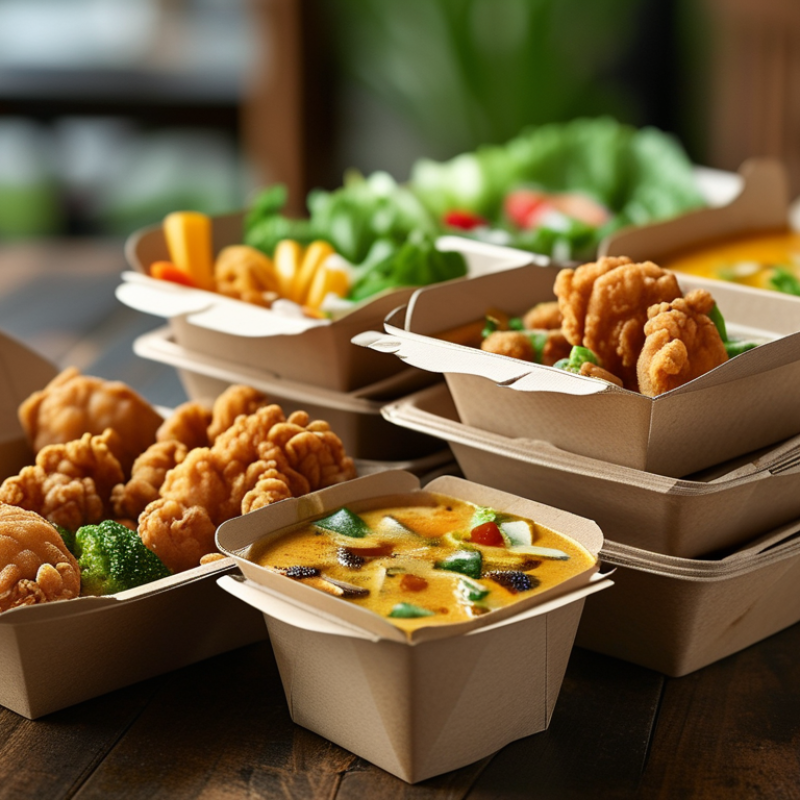
A restaurant owner can test containers with soup, curry, fried chicken, and fresh salads. These practical trials often reveal problems that product descriptions hide. Check seal strength, stacking stability, ventilation, grease resistance, and opening comfort. Material matters too. Paperboard, molded fiber, plastic, and reusable options perform differently. Environmental claims require careful review. “Compostable” does not always mean compostable in your local collection system. Confirm certifications and disposal guidance from credible suppliers.
The best choice balances customer experience with operational reality. A premium-looking box may fail during delivery. A cheaper option may create costs through spills, replacements, and complaints. Test packaging during busy periods, not only in a quiet office. Record portion sizes, food temperatures, holding times, and delivery distances. Small details count. Still, no option is perfect. Teams sometimes overlook lid compatibility and discover costly mismatches after ordering thousands. A careful process reduces that risk. This guide explains how to compare To Go Containers by performance, food safety, sustainability, branding, and total cost. The goal is simple: select packaging that works reliably from kitchen counter to customer table.
Define Your Business’s Takeout Packaging Needs
Choosing takeout containers starts with your menu, not the container aisle. List every item sold for takeaway. Note its temperature, sauce level, portion size, and travel time. A crispy chicken meal needs ventilation. Soup needs a tight seal. Layered desserts need rigid walls. Small details matter.
The National Restaurant Association’s 2024 State of the Restaurant Industry Report projected U.S. restaurant sales above $1 trillion. That scale increases pressure on packaging costs, speed, and consistency. Calculate your daily container usage by item. Then compare it with storage space, purchasing frequency, and staff handling time. A container that saves ten cents may create waste if it leaks or slows packing.
Food protection also affects your selection. The FDA Food Code 2022 emphasizes preventing contamination through proper handling and temperature control. Test containers with real orders, not empty samples. Fill them fully, carry them for thirty minutes, and check for leaks, sogginess, and heat loss. The U.S. Environmental Protection Agency reported that containers and packaging represented 28.1% of municipal solid waste generation in 2018. Material choices deserve serious attention. Still, “eco-friendly” does not automatically mean suitable. A weak fiber container can fail under oily food. That creates another problem. Recheck performance, customer feedback, and disposal conditions before changing your entire packaging system.
Compare Container Materials, Sizes, and Designs
How to Choose the Best To Go Containers for Your Business?
Material choice affects food quality, cost, and waste. Plastic containers are light and resist leaks, but they can soften under high heat. Paperboard feels more natural and prints well, yet sauces may weaken its structure. Bagasse handles greasy foods effectively, although its lids may fit less consistently. The U.S. Environmental Protection Agency reported that containers and packaging generated 82.2 million tons of municipal solid waste in 2018. That figure makes material selection a practical responsibility, not just a design decision.
Size should follow real orders, not guesswork. A 12-ounce container suits a small grain bowl, while a 32-ounce format fits family portions. Oversized boxes allow food to slide and increase material use. Measure your busiest meals before purchasing. I would test one container with hot soup, another with fried food, and both after a 30-minute delivery. Small details matter. Check stacking height, lid pressure, condensation, and whether customers can open the package easily. My first choice is not always the best after testing.
Design also changes the customer experience. Vented lids protect crisp foods, while clear windows help staff check orders quickly. Compartments separate sauces, vegetables, and proteins, but they can reduce usable volume. The United Nations Environment Programme’s 2023 report states that coordinated changes could reduce global plastic pollution by 80% by 2040. Reusable systems may support that goal, but only where washing, returns, and transport are reliable. I still question “eco-friendly” claims without reviewing certifications, local recycling access, and the container’s actual performance.
How to Choose the Best To Go Containers for Your Business? - Compare Container Materials, Sizes, and Designs
| Container Option | Typical Material | Common Sizes | Best For | Heat and Cold Performance | Leak Resistance | Reusability | Design Considerations |
|---|---|---|---|---|---|---|---|
| Paperboard Food Box | Paperboard with a water- or grease-resistant coating | 12–32 fl oz; approximately 350–950 ml | Burgers, sandwiches, fries, pastries, and dry or moderately oily foods | Suitable for hot food; performance depends on coating and venting | Moderate; not ideal for liquid-heavy meals unless specially designed | Generally intended for single use | Foldable designs save storage space; vents help preserve crispness |
| Molded Fiber Container | Molded plant fiber, bagasse, or recycled paper fiber | 8–48 fl oz; approximately 240–1,420 ml | Rice, noodles, salads, entrées, and takeaway meal combinations | Usually suitable for hot food and short-term refrigeration; check the product specification | Good for many foods; extended contact with liquids may soften some formats | Usually single use | Compartment versions separate side dishes; stackable shapes improve transport |
| Polypropylene Container | Polypropylene plastic, commonly identified as PP or recycling code 5 | 8–64 fl oz; approximately 240–1,900 ml | Soups, curries, pasta, prepared meals, and foods requiring reheating | Good heat resistance for food-service use; confirm microwave and freezer suitability before use | Good when paired with a tight-fitting, compatible lid | Can be reusable, depending on thickness and cleaning requirements | Clear or translucent bodies improve food visibility; nesting reduces storage volume |
| PET Container | Polyethylene terephthalate plastic, commonly identified as PET or recycling code 1 | 8–32 fl oz; approximately 240–950 ml | Cold salads, desserts, fruit, sauces, and chilled products | Good clarity and cold performance; generally not the first choice for very hot food | Good for cold foods with a properly fitted lid | Usually designed for single use, although some heavy-duty formats may be reused | Transparent walls support product display; hinged lids speed service |
| Aluminum Tray | Aluminum with a paperboard lid or foil-compatible closure | 16–96 fl oz; approximately 475–2,840 ml | Roasted meals, catering portions, baked dishes, and oven-ready foods | Excellent for oven use when specified; becomes hot to handle and is generally unsuitable for microwave use | Good with a correctly sealed lid; rigid walls help prevent crushing | Generally single use, but aluminum may be recyclable where accepted locally | Deep-wall and divided designs support catering; use caution with acidic foods during long storage |
| Glass Container | Heat-resistant glass with a plastic or silicone-sealed lid | 12–64 fl oz; approximately 350–1,900 ml | Premium meal services, deli foods, desserts, and returnable-container programs | Good thermal stability when designed for temperature changes; avoid sudden thermal shock | Very good with a quality gasket and locking lid | Highly reusable, but heavier and breakable compared with most alternatives | Premium appearance and product visibility; requires a deposit, return, or washing system for reuse |
| Paper Soup Cup | Paperboard with a moisture-resistant lining | 8–32 fl oz; approximately 240–950 ml | Soups, broths, stews, oatmeal, and other liquid or semi-liquid foods | Suitable for hot foods when rated for the intended temperature | Good when used with a compatible vented lid; lid fit is critical | Generally intended for single use | Vented lids reduce pressure buildup; cup sleeves can improve handling comfort |
| Reusable Silicone Pouch | Food-grade silicone with a zip or sealed closure | 8–32 fl oz; approximately 240–950 ml | Snacks, sandwiches, prepared portions, and low-volume returnable packaging programs | Flexible temperature performance; verify suitability for ovens, microwaves, and freezers | Good when the closure is fully sealed; not all designs are suitable for liquids | Designed for repeated use when properly washed and dried | Lightweight and collapsible; drying time and inspection of seals should be included in operations |
Evaluate Food Safety, Durability, and Performance
How to Choose the Best To Go Containers for Your Business?
Food safety should guide every container decision. Choose materials designed for direct food contact and request current compliance records from the supplier. Check whether the container handles hot, cold, oily, and acidic foods without warping or odor. A secure lid matters too. A small gap can turn soup into a costly mess during delivery. I used to judge quality by appearance, but testing proved otherwise.
Tips: Fill containers with your hottest menu items. Stack them for thirty minutes. Shake them gently. Look for leaks, soft corners, and loose lids. Record the results.
Durability affects labor, waste, and customer trust. Strong rims help staff close containers quickly, even during busy service. Containers should stack neatly without collapsing under pressure. Performance also includes heat retention, ventilation, and microwave guidance when applicable. Vent holes can protect fried foods from becoming soggy, but they may reduce heat retention. This trade-off needs menu-specific testing. I once selected a lighter container to reduce storage space. It saved room, yet its lid failed more often than expected. That mistake changed how I evaluate cost. Compare total use, not just the purchase price. Check supplier consistency, packaging cleanliness, and delivery conditions before placing a large order.
Balance Costs, Sustainability, and Customer Experience
Choosing to-go containers is not a simple price comparison. During busy service, a cheap container can leak, collapse, or slow packing. I learned this after testing several sizes during a lunch rush. Hot noodles softened one sample. Saucy meals stained another. Customer experience starts before the first bite. Good containers should feel secure, stack neatly, and open without a struggle. Keep those needs visible.
Cost includes more than purchase price. Measure container use, lids, storage space, rejected orders, and cleanup time. A slightly higher unit cost may reduce refunds and replacement meals. Still, expensive does not mean responsible. Compare material weight, recycled content, reusability, and end-of-life options. Check supplier documentation, food-contact suitability, and local disposal guidance. Ask for samples. Run leak, heat, drop, and transport tests. Record results instead of trusting attractive claims. Some sustainable options perform poorly with oily foods or long delivery times.
Choose formats that match your menu. Vented lids can protect crisp food, while tight seals help soups travel safely. One size rarely serves every dish well. Standardizing too aggressively can create waste through excess space. I made that mistake. The containers looked efficient, but portions shifted during delivery. Customer feedback exposed the problem. Review complaints, packing time, and damage rates each month. Then adjust the mix. Customers noticed the difference: cleaner presentation, steadier handling, and food arriving as intended.
Select Reliable Suppliers and Test Containers Before Buying
Choosing the best to-go container starts with supplier reliability, not appearance. The 2024 State of the Restaurant Industry report projected US restaurant sales above $1 trillion, increasing pressure on operators to prevent leaks, delays, and customer complaints. A dependable supplier should provide consistent dimensions, food-contact documentation, batch details, and realistic delivery schedules. Ask for recent test records, not polished promises.
Test containers with the meals you actually sell. Fill them with hot soup, oily noodles, or chilled salads. Carry each container for 20 minutes, then check the lid, seams, surface temperature, and stacking strength. The FDA Food Code 2022 emphasizes protecting food from contamination and maintaining safe handling conditions. Packaging does not replace temperature control, but poor packaging can quickly weaken it. I once treated “microwave-safe” as a complete quality signal. It was not. Some containers warped near the rim.
Tips: Request samples from at least three suppliers. Test five units from every sample batch. Record leakage, condensation, odor, and lid fit. Compare performance after transport, not only on a warehouse table. Also review the supplier’s backup plan. A low price becomes expensive when one late shipment disrupts a busy weekend. The choice may still be imperfect. That is why retesting matters after material, mold, or supplier changes.
Article Source:
Schedule
Monday to Thursday:
8:15 – 17:00
Friday:
8:00-15:00
Address
Leonardo Da Vinci, 10
Valencia Technology Park
46980 Paterna, Valencia, SPAIN
Real Laboratory SL
info@site_e1c8a3bd-d539-4d7f-8695-37f21373de39
Teléfono: +34 96 136 61 07
