

NEWS AND UPDATES
The latest updates regarding our products and our company

2026 How to Source Hydrolyzed Proteins for Your Business?
In recent years, Hydrolyzed Proteins have gained significant attention in the food and supplement industries. These proteins are broken down into smaller peptides, which can enhance absorption and digestion. According to a report from ResearchAndMarkets, the global hydrolyzed protein market is anticipated to grow at a compound annual growth rate (CAGR) of 6.1% from 2022 to 2027. This growth reflects an increasing demand for high-quality sources of protein across various sectors.
Businesses looking to source Hydrolyzed Proteins must consider multiple factors. The quality of these proteins can vary greatly among suppliers. It is crucial to partner with experienced manufacturers who adhere to rigorous quality standards. Evaluating the sourcing and processing methods is essential to ensure product authenticity and efficacy. Some companies may cut corners, leading to subpar products that could damage your brand's reputation.
Furthermore, understanding market trends is vital for making informed decisions. Consumer demands shift rapidly. Transparency in sourcing and ingredient traceability are increasingly important. As you navigate this complex landscape, acknowledging the potential pitfalls in sourcing strategies is imperative. Striving for excellence in Hydrolyzed Proteins sourcing requires diligence and a commitment to quality.
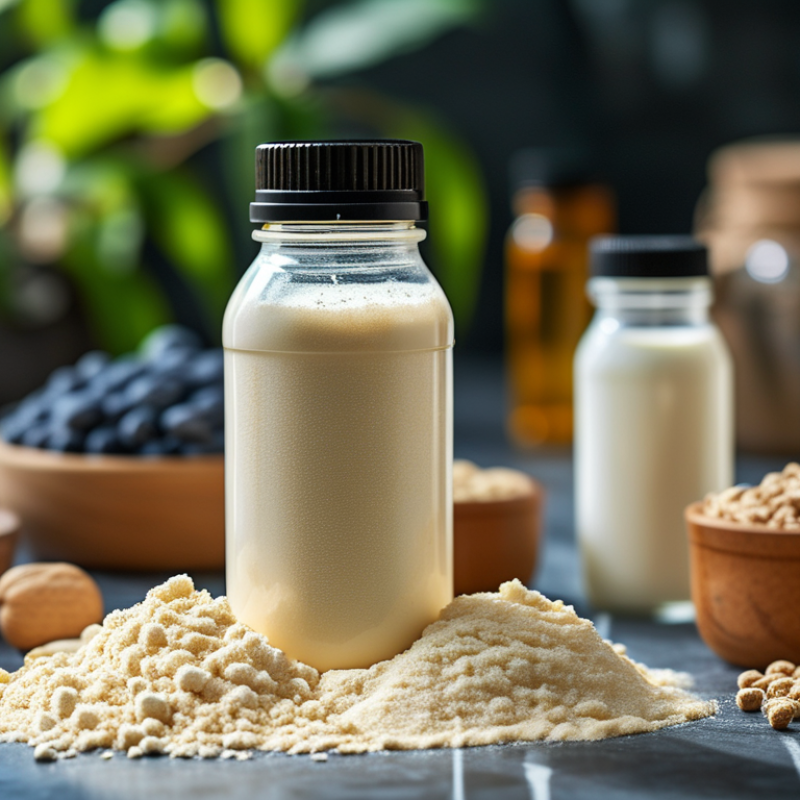
Understanding Hydrolyzed Proteins: Market Trends and Industry Demand
Hydrolyzed proteins have gained significant attention in recent years. Their demand spans various sectors, including food, nutrition, and pharmaceuticals. Companies are increasingly focusing on sourcing these proteins due to their benefits like improved digestibility and bioavailability. This trend is fueled by consumer preferences for high-quality and functional ingredients.
In the evolving market, understanding sourcing challenges is crucial. Many suppliers focus on the quality of raw materials. Securing reliable sources from manufacturers can be complex. Transparency in the supply chain plays a vital role. It helps ensure the integrity of the final product. Companies often struggle with finding trustworthy partners. Balancing cost and quality often requires careful research.
The industry is evolving rapidly. Emerging applications in sports nutrition and dietary supplements are driving growth. Businesses must adapt to these shifting trends. Engaging with industry experts can provide insights. Networking at trade shows and industry conferences can enhance knowledge. Staying updated on regulations is critical, as compliance remains a challenge. Companies may find it tricky to navigate these changing demands and remain competitive.
Key Sources of Hydrolyzed Proteins: Manufacturers and Suppliers Profiles
When sourcing hydrolyzed proteins for your business, understanding the key players in the market is essential. The global hydrolyzed protein market is expected to reach USD 4 billion by 2026, reflecting a growing interest in these ingredients. These proteins are sourced mainly from animal and plant origins. Key manufacturers often focus on quality and ingredient integrity. They must comply with stringent safety and health regulations.
In practice, many businesses look to reputable suppliers with established manufacturing processes. Some suppliers offer protein types tailored to specific applications, such as food and beverage products or nutritional supplements. Reports indicate that the demand for plant-derived hydrolyzed proteins is rising, driven by consumer health trends. This shift to plant sources, however, can present sourcing challenges. It’s vital to evaluate the expertise of suppliers to ensure they meet industry standards.
Identifying reputable suppliers involves a careful assessment of certifications and market reputation. Not all hydrolyzed proteins are created equal. Some may lack the desired amino acid profile, impacting their effectiveness. Aim for a supplier with transparent sourcing practices and a proven track record. This diligence can mitigate risks and enhance your product offerings in an increasingly competitive market.
Analyzing Quality Standards: How to Evaluate Hydrolyzed Protein Products
When evaluating hydrolyzed protein products, quality standards play a crucial role. Not all hydrolyzed proteins are created equal. Industry reports suggest that nearly 30% of protein products do not meet label claims. This can significantly impact your business reputation and customer trust. It is essential to source proteins from reputable manufacturers who adhere to strict quality control measures.
One key metric to consider is the degree of hydrolysis (DH). Research indicates that DH levels between 15% to 25% often indicate a balanced protein profile, offering both solubility and functionality. This range ensures that proteins maintain their nutritional value while being highly digestible. Furthermore, ensure that you inquire about the source of raw materials, as these can affect the final product's quality. Testing methods, such as amino acid profiling, can help confirm that you receive a product that meets high standards.
A thorough evaluation includes checking for certifications like ISO and NSF. These organizations offer testing protocols that ensure the quality and safety of protein products. Yet, many businesses overlook the need for routine testing of incoming materials. This step is vital to maintaining product integrity. Consistency is key, and finding a trusted supplier can help align your sourcing with your brand's commitment to quality.
Hydrolyzed Protein Quality Standards Evaluation
Cost Considerations: Budgeting for Sourcing Hydrolyzed Proteins in 2026
When planning to source hydrolyzed proteins in 2026, cost considerations are essential. Prices can fluctuate significantly based on multiple factors. For instance, raw material quality and sourcing location impact your expenses profoundly. It’s important to analyze regional pricing trends to foresee potential cost increases. This analysis helps in establishing a strong budget.
Evaluating supplier options is another critical aspect. Some suppliers may provide lower prices, but their quality could suffer. Always verify their credentials and ensure their hydrolyzed proteins meet industry standards. This could lead to increased testing costs if quality falls short. Balancing cost and quality is often challenging.
Additionally, consider long-term contracts to stabilize your budget. Fixed pricing can protect against market volatility. However, this approach may limit your flexibility. It’s crucial to assess the potential risks and benefits thoroughly. Affordable sourcing is ideal, yet sacrificing quality can jeopardize your business reputation. Finding that perfect balance often requires careful planning and foresight.
Sustainability in Sourcing: Eco-friendly Practices for Hydrolyzed Proteins
Sourcing hydrolyzed proteins sustainably can significantly impact your business. Eco-friendly practices ensure that your supply chain contributes to environmental preservation. Begin by assessing the origins of the raw materials. Look for suppliers who prioritize renewable resources. Ensuring that your sources adhere to environmental regulations is essential.
Transparency is vital. Certain suppliers may claim sustainability but lack actual eco-friendly practices. Engage with potential suppliers to understand their processes. Ask about their waste management strategies and energy consumption. Visit facilities when possible to witness their practices firsthand. This can reveal more about their commitment to sustainability.
Consider partnerships with organizations focused on sustainability. They can provide insights into best practices and new trends. Attend workshops or webinars to learn from experts in eco-friendly sourcing. Reflect on how your sourcing choices align with your company’s values. Strive to integrate sustainability into every aspect of your procurement strategy. It’s a journey that requires continuous improvement.
Article Source:
Schedule
Monday to Thursday:
8:15 – 17:00
Friday:
8:00-15:00
Address
Leonardo Da Vinci, 10
Valencia Technology Park
46980 Paterna, Valencia, SPAIN
Real Laboratory SL
info@site_e1c8a3bd-d539-4d7f-8695-37f21373de39
Teléfono: +34 96 136 61 07
