

• NEWS AND UPDATES

    The latest updates regarding our products and our company

What Is KMnO4 Activated Alumina Used For?

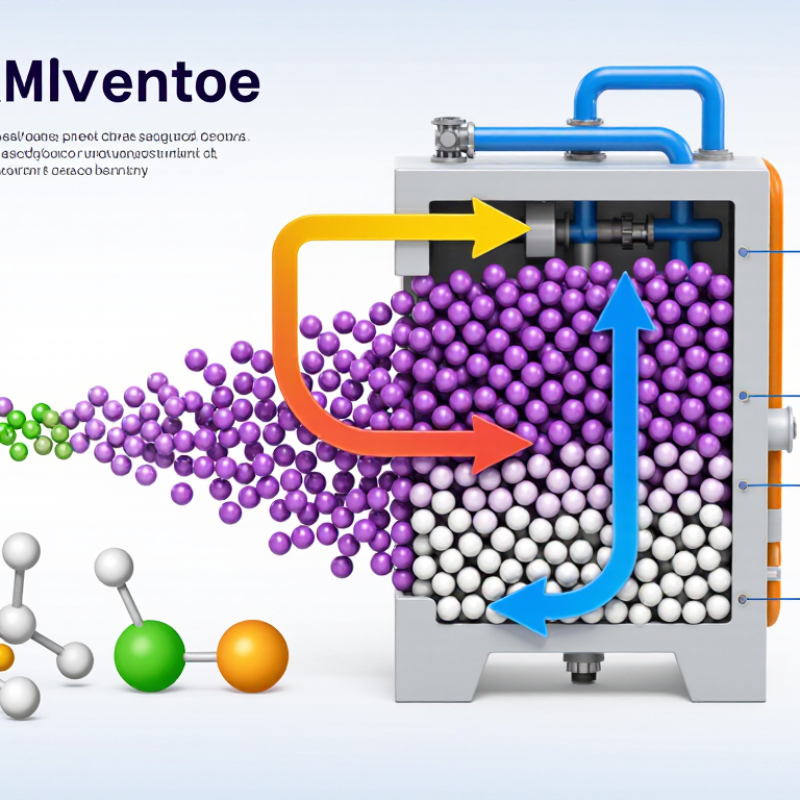
KMnO4 Activated Alumina is a porous alumina media treated with potassium permanganate. It is commonly used in gas-treatment systems to reduce hydrogen sulfide, mercaptans, and selected odor-causing compounds. Air passes through its granular bed, where contaminants contact the treated surface and may be oxidized. The alumina provides a large contact area; the permanganate supplies the reactive component. That sounds simple. It is not.

Its practical use depends on the contaminant, gas concentration, humidity, temperature, and bed design. In a facility, the media may sit in a cartridge or fixed vessel, with airflow moving through the granules. Operators typically monitor outlet conditions and replace the media when performance declines. A product’s data sheet matters, because formulations and stated capacities can differ. Claims about removing “all odors” deserve caution.

This media is not a universal filter, and it does not replace testing or proper system design. High humidity or competing contaminants may affect performance, while channeling can let untreated gas bypass the bed. Selection should match the actual gas analysis and operating conditions. For critical applications, confirm performance with qualified testing and supplier guidance. Even then, results need review. This guide explains what KMnO4 Activated Alumina is used for, how it works, and what to check before choosing it.
What Is KMnO4 Activated Alumina Used For?

Composition and Structure of KMnO₄-Activated Alumina

KMnO₄-activated alumina is a composite, not a single chemical compound. Its structure combines porous alumina granules with potassium permanganate distributed across their surfaces and internal pores. The alumina provides a rigid, high-area support. Its pores help expose the active material to passing gases. Not all pores are equally accessible.

The permanganate layer supplies oxidizing capacity. During manufacture, a solution is typically applied to the alumina and then dried, leaving the active salt within the pore network. Loading and drying conditions affect how evenly it spreads. Some material may form visible deposits, while finer distribution can make better use of available surface area. The granules often appear purple, though shade alone cannot confirm their condition.

This structure explains the media’s use in treating certain air streams, including streams containing reduced sulfur compounds. The alumina supports contact; the permanganate participates in oxidation. Reaction products can accumulate, so performance changes as the media is consumed. That detail matters. Actual capacity depends on contaminant levels, humidity, airflow, and product formulation. A simple description of the composition cannot predict service life, and spent media should be handled according to its supplier’s guidance.

How the Media Removes Contaminants

What Is KMnO4 Activated Alumina Used For?

How the Media Removes Contaminants

KMnO4 activated alumina is a granular water-treatment media treated with potassium permanganate. As water passes through its bed, the oxidant reacts with certain dissolved contaminants. Common targets include hydrogen sulfide, iron, and manganese.

The reaction changes these substances into forms that are easier to capture. Dissolved iron and manganese, for example, can become solid particles. The media bed holds many of these particles as water flows through. Some sulfur compounds can also be oxidized, which may reduce unpleasant rotten-egg odors. Contact time matters. Water moving too quickly may not allow enough reaction.

Captured solids gradually collect inside the bed, so the system needs appropriate backwashing or media replacement. Performance depends on the source water, pH, flow rate, and contaminant levels. Testing before and after treatment helps show whether the system is working as intended. There is no universal setting. A filter that performs well on one well may need adjustment on another, and that uncertainty deserves attention. Follow the media supplier’s handling and maintenance guidance, since potassium permanganate is an oxidizing chemical.

Common Uses in Air and Gas Purification

KMnO4-activated alumina is a granular chemical filter used to treat air and selected gas streams. Potassium permanganate held on porous alumina reacts with certain unwanted compounds as they pass through the bed. It is commonly used to reduce hydrogen sulfide, sulfur dioxide, and odor-causing gases. It can also help control some aldehydes and other oxidizable vapors. Not a sieve. The media changes certain contaminants chemically rather than trapping every molecule.

In air purification, it may be installed in HVAC systems, equipment cabinets, laboratories, wastewater facilities, and industrial ventilation systems. In gas treatment, a properly designed bed can protect instruments and downstream processes from trace contaminants. Performance depends on inlet concentration, airflow, humidity, contact time, and bed depth. A filter that works in one room may fail in a faster duct. Spent media should be replaced according to monitoring and product specifications, not smell alone. Color change may offer a clue, but it does not reliably measure remaining capacity. This media does not remove every VOC or replace particulate filters. Test the stream. Testing actual operating conditions takes effort, but it helps prevent an undersized or poorly matched filter.

Applications in Water Treatment and Odor Control

What Is KMnO4 Activated Alumina Used For?

KMnO4-activated alumina is a porous filter media coated with potassium permanganate. In water treatment, it helps oxidize dissolved hydrogen sulfide, which can create a rotten-egg smell. It can also help remove certain forms of iron and manganese. As water moves through the media bed, these substances are converted into forms that can be filtered out. That matters. Performance depends on water chemistry, flow rate, and contact time, so one filter setup will not suit every well or treatment system.

The media also serves in odor-control equipment for air and process gases. It can reduce hydrogen sulfide and some other sulfur-based odorants when the gas contacts the treated alumina. This makes it useful in enclosed spaces where odors need to be managed before air is released or recirculated. Not forever. Its oxidizing capacity is finite, and exhausted media may allow odors to break through.

In practice, service life can be less predictable than a specification sheet suggests. Moisture, contaminants, airflow, and the amount of odor entering the system all affect performance. Operators should monitor outlet water or air, follow the supplier’s handling guidance, and replace media when testing shows reduced treatment. A noticeable smell is a warning, not a reliable measurement.

What Is KMnO₄ Activated Alumina Used For? – Applications in Water Treatment and Odor Control
Application Area Target Contaminant How the Media Helps Typical Use Context Important Considerations
Water treatment Hydrogen sulfide (H₂S) Permanganate on the alumina surface oxidizes sulfide compounds as water passes through the media. Point-of-use or treatment-system filters where water has a sulfur odor or taste. Capacity is finite. Inlet concentration, flow rate, pH, and competing substances affect service life.
Water treatment Dissolved iron and manganese Oxidation can convert dissolved forms into less-soluble particles that may then be retained by filtration. Groundwater treatment for reducing staining, discoloration, and metallic taste associated with iron or manganese. System design may need adequate contact time and particle filtration. Confirm performance with a water analysis and pilot testing.
Water treatment Arsenite (As(III)) Permanganate can oxidize As(III) to arsenate (As(V)), which can be easier to remove with a suitable downstream treatment step. A pretreatment step in a properly engineered arsenic-removal process. Oxidation alone does not guarantee arsenic removal. Verify treated-water results against applicable drinking-water requirements.
Odor control Hydrogen sulfide in air The oxidizing coating reacts with H₂S, helping reduce sulfurous odors in air streams. Dry media beds in ventilation or odor-control systems, including certain wastewater and process-air applications. Humidity, airflow, contaminant loading, and bed depth influence performance. Monitor for breakthrough and replace spent media as directed.
Odor control Some reduced-sulfur odors, including mercaptans Oxidative media may react with certain reduced-sulfur compounds; effectiveness varies by compound and operating conditions. Odor-control systems handling sulfur-containing air contaminants. Confirm the specific contaminant mix through testing. Do not assume equal removal performance for all odors or volatile organic compounds.
Selection note: KMnO₄-impregnated alumina is an oxidizing treatment or odor-control media, not a universal filter. Actual capacity and service life depend on media formulation, contaminant loading, flow, contact time, pH, and other site conditions. Use application-specific design guidance and verify results by testing.

Factors Affecting Performance and Service Life

What Is KMnO4 Activated Alumina Used For? Factors Affecting Performance and Service Life

KMnO4-activated alumina is used in water treatment to reduce hydrogen sulfide, iron, and manganese. Its performance depends on the media’s permanganate loading and the incoming water chemistry. EPA’s National Secondary Drinking Water Regulations list aesthetic levels of 0.3 mg/L for iron and 0.05 mg/L for manganese. These are useful reference points, not a guarantee that any filter will reach them. Test the feed and treated water.

Service life can shorten when contaminant loads are high, flow is too fast, or the bed is poorly backwashed. pH, competing substances, and uneven water distribution also matter. A pressure drop may signal accumulated solids; breakthrough can show that the media’s oxidation capacity is fading. Keep operating records. Small changes count. A jar test or pilot run can reveal issues that a brochure’s capacity figure may miss. Real water is rarely that tidy.

Tips: Record influent and effluent iron, manganese, and sulfide, alongside flow and pressure. Check the media supplier’s limits for pH, loading, and regeneration, then confirm them with site testing. There is no universal replacement interval. That uncertainty is worth planning for.

What Is KMnO₄-Activated Alumina Used For?

KMnO₄-impregnated alumina is used to remove oxidizable contaminants, including hydrogen sulfide, from air and gas streams.

Theoretical H₂S capacity by KMnO₄ loading — Calculated from the reaction of potassium permanganate with hydrogen sulfide to form elemental sulfur, assuming complete utilization. Actual capacity and service life are lower and depend on inlet contaminant concentration, humidity, airflow, contact time, and competing contaminants. These loading levels are illustrative, not product specifications.