NEWS AND UPDATES
The latest updates regarding our products and our company

What is a Microbiology Lab and What Do They Do?
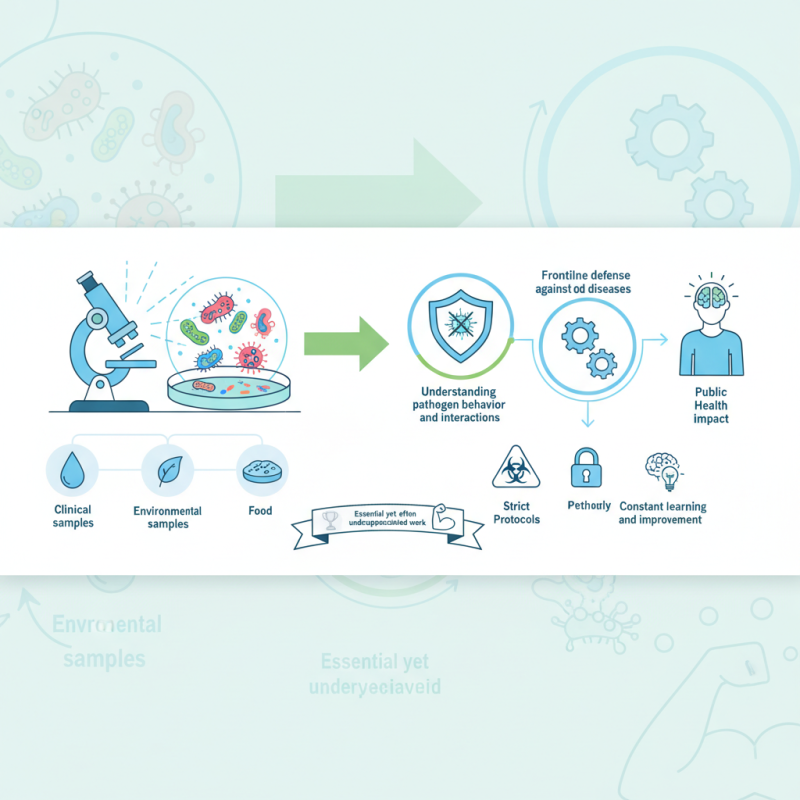
In the realm of scientific research, a microbiology lab plays a crucial role. Dr. Emily Chen, a leading microbiologist, once stated, “Microbiology labs are the frontline warriors against infectious diseases.” This statement encapsulates the significant impact these labs have on public health.
Microbiology labs focus on studying microorganisms, including bacteria, viruses, fungi, and parasites. They analyze samples from various sources to understand the behavior of these pathogens. It is not simply about testing for contagions; it involves understanding their interactions with host organisms and environments.
The environment in a microbiology lab can be intense. Scientists often work with potentially harmful agents. Precise protocols must be followed to prevent contamination. Mistakes can lead to severe consequences. These challenges illustrate the lab's importance but also highlight the need for constant learning and improvement. The work done in microbiology labs is essential yet often underappreciated.
Definition and Purpose of Microbiology Laboratories
Microbiology laboratories play a vital role in scientific research and public health. They focus on studying microorganisms, such as bacteria, viruses, fungi, and parasites. These labs are essential for diagnosing infections and understanding disease dynamics. Researchers in these labs examine samples, cultures, and various environmental conditions. Their work helps in developing vaccines and antibiotics.
To ensure accuracy, microbiologists must maintain strict lab protocols. Clean environments reduce contamination risk. Observing proper sterilization techniques is crucial. Lack of attention to detail can lead to flawed results.
When dealing with specimens, always handle them carefully. Documentation is vital in tracking experiments. Lab notes should be clear and precise. Mistakes in recording data can lead to misinterpretations.
Tips: Use color-coded labels for sample identification. This practice minimizes confusion. Regularly review procedures with team members. It fosters shared knowledge and reduces errors. Keep an open mind. Reflection on past mistakes enhances future work.
Microbiology Lab Activities Overview
Key Equipment and Technology Used in Microbiology Labs
Microbiology labs are vital for understanding microorganisms. They utilize key equipment and technology to conduct various analyses. One of the primary tools is the autoclave, which sterilizes equipment and media. This critical process ensures that samples are free from contaminants, essential for accurate results. According to a 2022 report, 70% of microbiology labs rely on autoclaves for their daily operations.
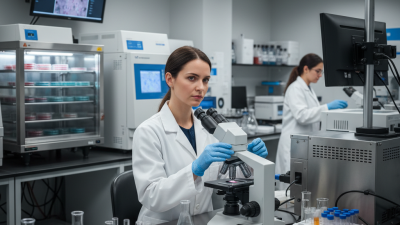
Microscopes play a crucial role in microbiology labs, allowing scientists to observe microorganisms at a cellular level. Advanced light and electron microscopes enable researchers to see fine details, aiding in species identification. Recent studies indicate that over 80% of microbiology research involves microscopy at some stage. However, challenges remain, as lab technicians often face difficulties in sample preparation and resolution limits.
Another important technology is PCR (polymerase chain reaction). This method amplifies DNA, making it easier to study and analyze pathogens. A 2021 survey showed that PCR is used in 90% of diagnostic labs for rapid detection of diseases. Despite its efficiency, the technology can produce false positives, leading to misdiagnoses. Labs must constantly refine their methods to minimize these errors and improve accuracy.
Common Procedures and Techniques in Microbial Analysis
Microbiology labs play a crucial role in studying microscopic organisms. These labs analyze bacteria, viruses, fungi, and protozoa. Techniques used can vary significantly. Each method has its purpose and application.
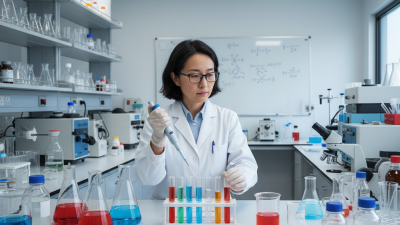
One common technique is culturing. This involves growing microorganisms in controlled conditions. Petri dishes and nutrient broths are often used. It requires precise temperature and humidity controls. Staining is another essential procedure. It helps visualize microorganisms under a microscope. Different stains highlight specific cell structures. This adds clarity to observations.
Some labs also utilize molecular techniques like PCR. This method amplifies DNA for further analysis. It’s valuable in identifying pathogens. However, not all samples are easy to analyze. Some microorganisms are difficult to culture. Others may require specialized conditions. This can lead to gaps in understanding certain infections. It highlights the need for continuous learning in microbial analysis.
Importance of Microbiology Labs in Healthcare and Public Safety
Microbiology labs play a crucial role in healthcare and public safety. They analyze microorganisms, such as bacteria and viruses. This analysis helps diagnose infections and guides treatment. Without these labs, many diseases would go unchecked, leading to outbreaks and health crises. Microbiology labs are essential in controlling public health threats.
Tips for healthcare professionals include maintaining a clean lab environment. Contamination can lead to inaccurate results. Training staff on proper procedures is vital. Effective communication between labs and healthcare providers improves patient care. Lastly, frequent updates of testing methods can enhance overall efficiency. These steps are crucial for advancing public safety.
Recent Advances in Microbiology Research and Laboratory Practices
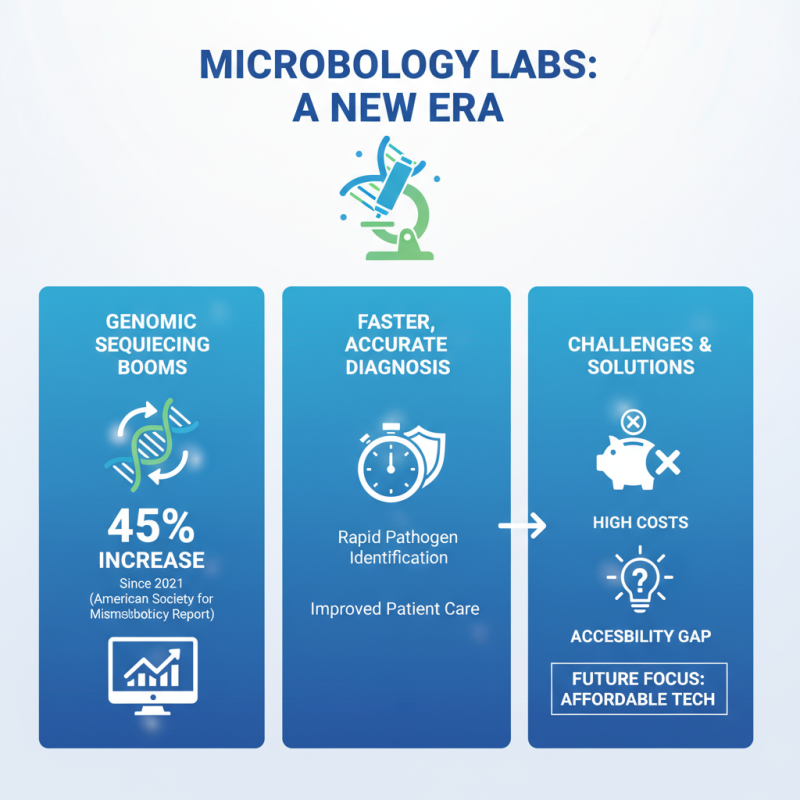
Recent advances in microbiology research have transformed laboratory practices significantly. For example, a 2021 report by the American Society for Microbiology highlighted a 45% increase in the use of genomic sequencing. This innovation allows scientists to identify pathogens more accurately and rapidly. With quicker diagnosis, patient care can improve, but not all labs adopt these technologies due to high costs.
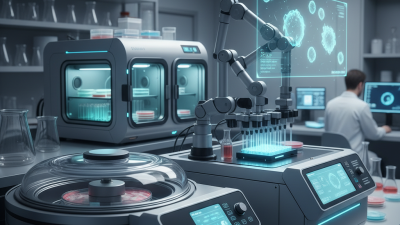
Furthermore, automation in labs has surged, streamlining procedures. A study indicated that 60% of microbiology labs now use robotics for routine tasks. This development boosts efficiency but raises concerns about reduced human oversight. Errors can be difficult to trace when machines dominate critical steps.
Research techniques are evolving, but challenges persist. The integration of bioinformatics tools aids data interpretation, yet many microbiologists still lack training in this area. In fact, the Global Microbiology Workforce Development Report showed that 50% of professionals feel unprepared for data-heavy tasks. While progress is commendable, more focus on education and resource allocation is necessary for sustainable growth in microbiology labs.
Schedule
Monday to Thursday:
8:15 – 17:00
Friday:
8:00-15:00
Address
Leonardo Da Vinci, 10
Valencia Technology Park
46980 Paterna, Valencia, SPAIN
Real Laboratory SL
info@site_e1c8a3bd-d539-4d7f-8695-37f21373de39
Teléfono: +34 96 136 61 07