What Is a Microbiology Lab and What Does It Do?
A microbiology lab is a specialized workplace where scientists study microorganisms, including bacteria, fungi, viruses, and parasites. Its work helps explain disease, protect food, monitor water quality, and support medical decisions. On a typical day, trained staff may receive labeled specimens, examine cultures, record observations, and review results with clinical or public health teams. Accuracy matters.
These laboratories depend on controlled procedures, validated equipment, careful documentation, and appropriate biosafety practices. A technician may inspect a culture plate, check an instrument reading, and compare findings with quality-control records. Each detail can influence a diagnosis or environmental assessment. Small errors matter. The work also requires professional judgment, because laboratory results need context rather than simple interpretation. A detected microorganism may represent contamination, harmless colonization, or a genuine health concern.
Reliable microbiology depends on more than advanced technology. It requires qualified personnel, ongoing training, transparent reporting, and respect for established safety standards. Independent reviews and quality checks can reveal weaknesses before they affect patients or the public. Yet no laboratory is flawless. Delays, unclear samples, or unexpected results may require careful reassessment. That uncertainty is part of responsible science, not a reason to hide limitations.
This introduction explores what happens inside a microbiology lab, who works there, and how laboratory findings become trustworthy information. It will also consider the lab’s role in healthcare, research, food safety, and environmental monitoring. The goal is practical understanding: not just what these laboratories do, but why their methods and accountability matter.
What Is a Microbiology Laboratory?
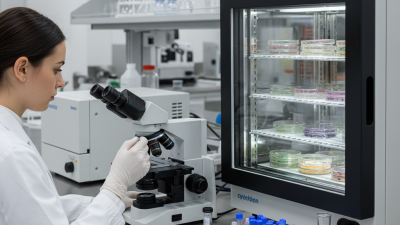
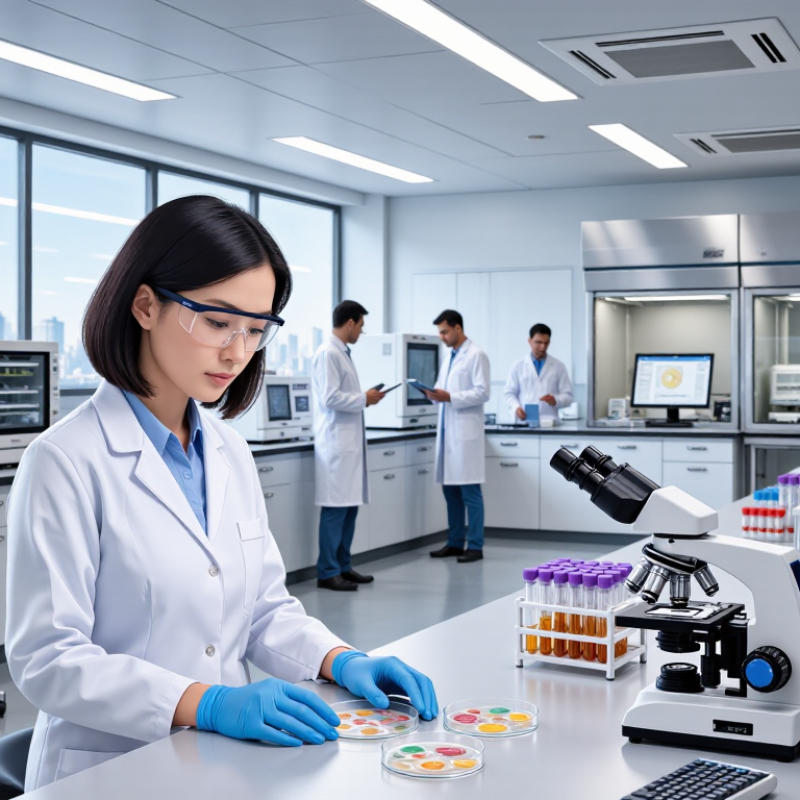
A microbiology laboratory is a controlled workplace for studying microorganisms and their effects. It examines bacteria, fungi, viruses, and parasites in clinical, environmental, food, and research samples. Technologists prepare specimens, inspect slides, grow cultures, and perform molecular tests. A throat swab may become a labeled tube, a stained slide, or a small culture plate. Incubators provide stable temperature and atmosphere. The details matter.
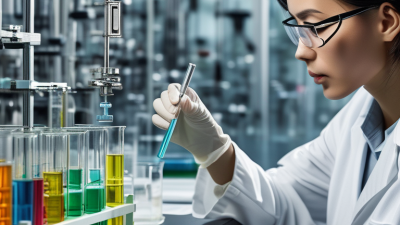
At the bench, microscopy can reveal cell shapes, spores, or unusual growth patterns. Culture testing allows specialists to identify organisms and assess antimicrobial responses. Molecular methods can detect genetic material when organisms grow slowly or cannot grow easily. These results support diagnosis, infection control, public health surveillance, and treatment decisions. Still, a positive signal does not always explain the patient’s symptoms. Interpretation needs clinical context.
The scale is substantial. The World Health Organization’s Global Tuberculosis Report 2024 estimated that 10.8 million people developed tuberculosis in 2023. Its Global Antimicrobial Resistance and Use Surveillance System report, published in 2025, found that about one in six laboratory-confirmed bacterial infections worldwide showed resistance in 2023. These figures show why reliable laboratory work matters. Yet laboratories are not infallible. A mislabeled tube, delayed transport, or contaminated culture can distort results. The WHO Laboratory Biosafety Manual, fourth edition, emphasizes risk assessment before laboratory procedures. Good practice requires careful records, controls, equipment checks, and honest review when something seems wrong.
What Are the Main Functions of a Microbiology Lab?
What Is a Microbiology Lab and What Does It Do?
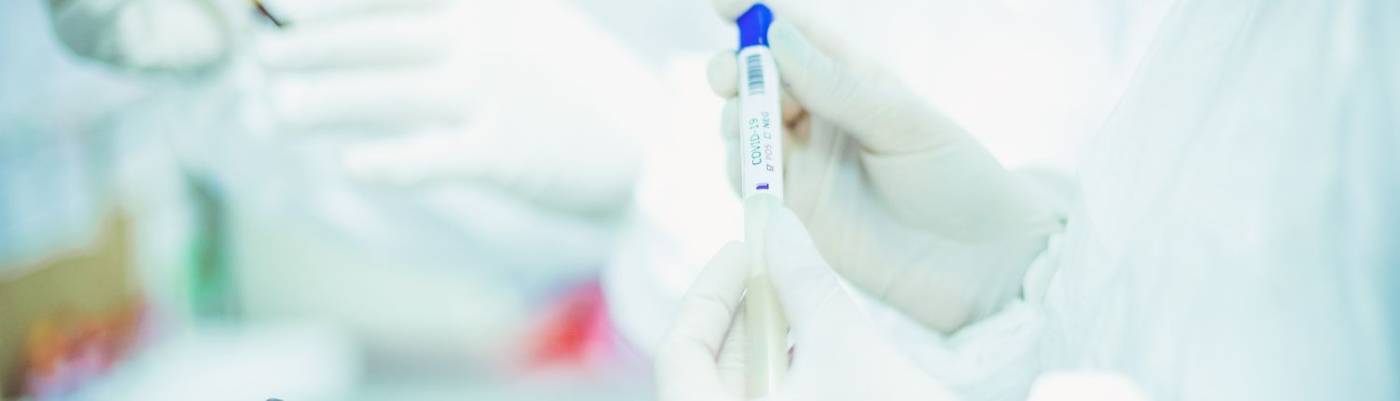
A microbiology lab studies microorganisms such as bacteria, fungi, and viruses. Its main function is to detect, identify, and understand these organisms. Technicians may examine a throat swab, water sample, or food surface. They use microscopes, culture plates, staining methods, and molecular tests. Each sample needs careful labeling and controlled handling. A small mistake can affect the final result.
The laboratory also supports diagnosis, research, environmental monitoring, and quality control. Staff compare findings with validated procedures and reference standards. They record temperatures, equipment checks, test conditions, and observations. Culture work may involve watching colonies develop in an incubator. Molecular testing can detect genetic material when organisms are difficult to grow. However, no method is perfect. Contamination, poor sampling, or delayed transport can create misleading results. I think laboratories sometimes focus too heavily on instruments and not enough on basic sample quality.
Tips: Keep work areas clean, label every tube immediately, and use suitable controls. Review unusual results instead of accepting them quickly. Ask whether the sample truly represents the tested environment. Clear records matter as much as technical skill. Experienced personnel should confirm uncertain findings before reporting them. Good communication with healthcare, research, or quality teams also improves interpretation. The process is precise, but it still depends on human judgment.
How Does a Microbiology Lab Process and Analyze Samples?
A microbiology laboratory studies microorganisms in clinical, environmental, and research samples. Its work begins when a specimen arrives in a sealed, labeled container. Staff check the patient details, collection time, sample type, and transport condition. A rushed label can create serious confusion, so careful verification matters.
The laboratory then prepares the sample inside controlled work areas. Technicians may examine it under a microscope, grow organisms on prepared media, or extract genetic material for molecular testing. Each method answers a different question. Microscopy can reveal cell shape and movement quickly. Culture may show growth patterns over time. Molecular analysis can detect specific genetic targets, even when organisms are difficult to grow. Controls help confirm that results are reliable. However, no test is perfect. Poor sampling, contamination, or delayed transport can affect the final interpretation. Experienced staff compare results with quality checks and relevant clinical information before reporting findings.
Tips: Use clean gloves and follow the laboratory’s safety procedures. Keep specimens sealed and correctly labeled. Record unusual color, odor, or temperature changes. Do not interpret one result alone. A result that seems clear may need repeat testing, especially when controls fail or the sample quality is poor. Small details matter.
What Is a Microbiology Lab and What Does It Do?
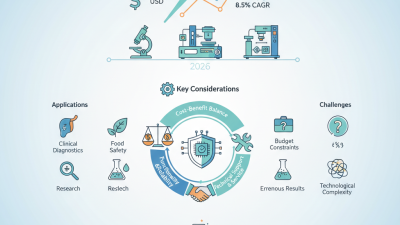
A microbiology laboratory processes clinical, environmental, and food samples to detect microorganisms,
identify them, and evaluate antimicrobial susceptibility. The chart shows representative minimum processing
times for common microbiology workflow steps; actual turnaround times vary by specimen type, organism, and laboratory method.
How Does a Microbiology Lab Process and Analyze Samples?
Samples are first received, labeled, and checked for quality. Laboratory staff then prepare and stain the specimen,
inoculate culture media when appropriate, incubate it under controlled conditions, identify any recovered organisms,
and perform antimicrobial susceptibility testing when clinically required. Culture-based steps generally take longer
than direct microscopy because microorganisms need time to grow.
Which Equipment and Methods Are Used in Microbiology Labs?
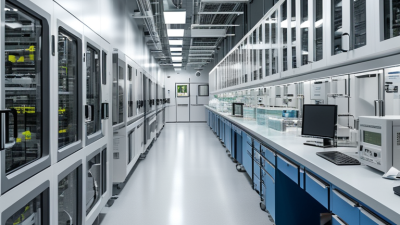
A microbiology laboratory uses specialized equipment to examine microorganisms safely and accurately. A clean work area, protective clothing, gloves, and a certified biosafety cabinet reduce contamination risks. Microscopes reveal cell shape, arrangement, and movement. Incubators maintain controlled temperatures for growing prepared cultures. Autoclaves sterilize reusable materials with pressurized steam. Reliable laboratories also use calibrated pipettes, centrifuges, refrigerators, and temperature monitors.
Common methods include aseptic technique, culture on agar plates, and growth in liquid broth. Technicians transfer samples with sterile tools and label every container clearly. Staining methods, such as Gram staining, help classify bacterial cells under a microscope. Some laboratories use molecular tests to detect genetic material when culture results are slow or unclear. Positive and negative controls are essential. They show whether a result reflects the sample or a testing problem.
Accurate records matter as much as sophisticated equipment. Staff document sample condition, lot information, temperatures, timings, and unexpected observations. Quality systems should follow recognized laboratory standards and local safety requirements. Even trained workers can make mistakes. A crowded workbench may cause contamination, while an inaccurate pipette can distort results. Repeating a test is sometimes necessary, not wasteful. Methods also have limits; one culture medium cannot support every microorganism. Careful review, instrument maintenance, and independent checking make findings more dependable.