
• NEWS AND UPDATES

    The latest updates regarding our products and our company

2026 How to Optimize Science Labs for Innovative Research and Learning?

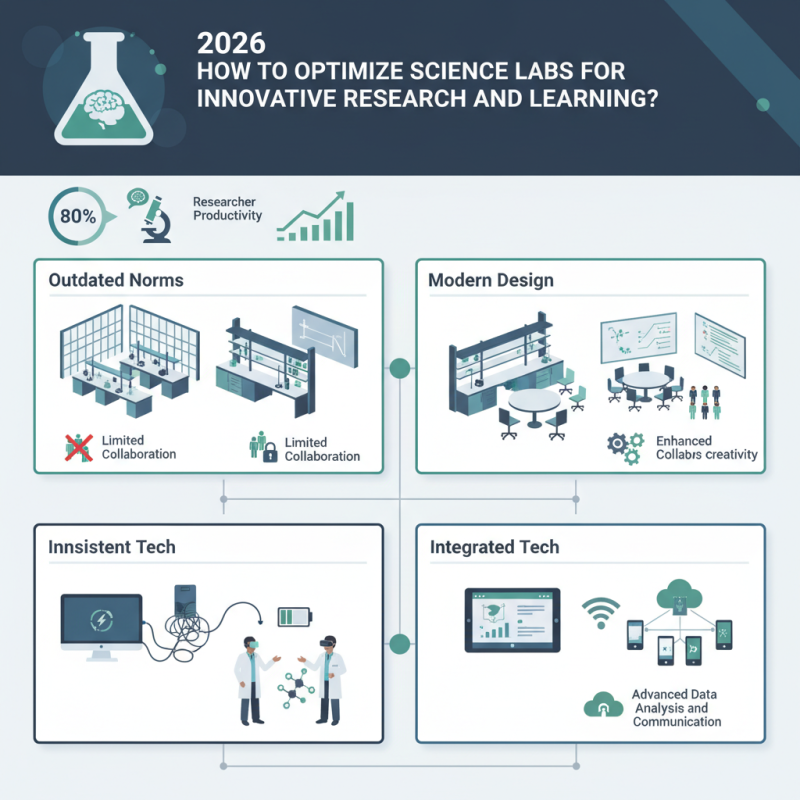
In 2026, optimizing science labs is crucial for fostering innovative research and learning. According to a recent report by the National Science Foundation, 80% of researchers believe that lab environments significantly impact their productivity. These insights highlight the need for effective lab designs tailored to modern scientific demands. However, many science labs still lack essential updates.

Lab spaces often reflect outdated norms. A study from the Lab Design Collaborative found that 75% of science labs do not utilize flexible layouts suitable for various research needs. This limitation hampers collaboration and creativity among researchers. It's essential to rethink the foundational design to create environments that stimulate innovation.

Additionally, the integration of technology in science labs remains inconsistent. Survey data indicate that only 50% of labs effectively employ advanced tools for data analysis and communication. Without these tools, researchers may struggle to collaborate effectively. By addressing these shortcomings, we can create science labs that foster groundbreaking discoveries and enhance learning experiences for all involved.
2026 How to Optimize Science Labs for Innovative Research and Learning?

Optimizing Space Utilization in Science Labs for Enhanced Research
2026 How to Optimize Science Labs for Innovative Research and Learning?

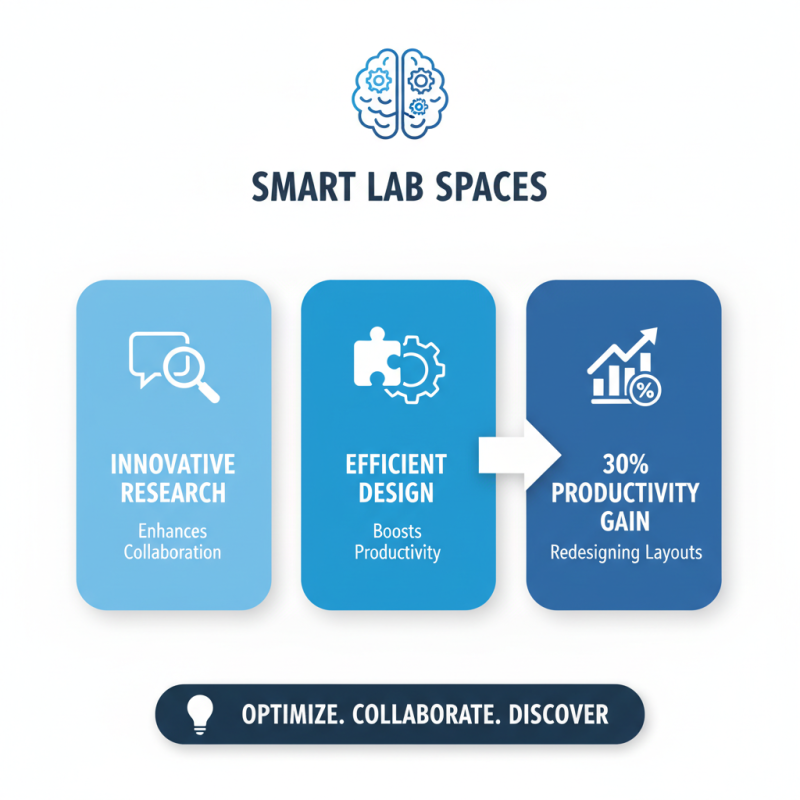
Optimizing space in science labs is crucial for innovative research. Efficient design can enhance collaboration among researchers. In a recent report, it's noted that effective space utilization can boost productivity by up to 30%. This makes a strong case for redesigning lab layouts.

Many labs suffer from overcrowding and poorly arranged equipment. A study found that 45% of researchers feel constrained by their lab environments. This lack of sufficient space can stifle creativity. Redesigning these spaces with flexible furniture and movable partitions can help. Such changes provide more room for experimentation.

Moreover, integrating technology into lab design can also improve efficiency. Using virtual reality for spatial planning can reduce errors in design. Researchers often note that outdated layouts hinder their work. Regular assessments and updates to lab spaces can lead to a more productive research atmosphere. However, constant evolution in lab designs also poses challenges. Balancing aesthetics and functionality requires continuous reflection and adaptation.
Incorporating Advanced Technology in Science Lab Design

Incorporating advanced technology into science lab design can significantly enhance research and learning outcomes. Recent studies reveal that modern labs with digital tools increase student engagement by 30%. Interactive simulations and real-time data collection allow students to explore complex concepts more effectively. However, implementing these technologies can be challenging. Training staff to use new systems often takes more time than anticipated.

Furthermore, a flexible lab layout is crucial. Open spaces facilitate collaboration, essential for innovative teamwork. Yet, many institutions find it hard to balance open design with necessary privacy for certain experiments. A well-reported 40% of educators feel that traditional layouts limit creative thinking. Adding movable equipment can help, but it requires careful planning to maintain safety and efficiency.

To foster a culture of discovery, labs must also promote diverse learning methods. Incorporating virtual reality can immerse students in simulations. This method enhances understanding, but the reliance on technology can create barriers for some learners. Addressing these gaps is vital for ensuring all students benefit from advancements. Overall, optimizing lab environments demands ongoing evaluation and adaptation as technologies evolve.

Optimization of Science Labs for Innovative Research and Learning

This bar chart illustrates the incorporation of advanced technology in science lab design based on various dimensions of innovation and learning benefits.

Fostering Collaborative Work Environments in Science Laboratories

Creating a collaborative work environment in science laboratories is essential for innovation. Open spaces promote interaction among researchers. When scientists engage freely, ideas flow more naturally. This can lead to unexpected breakthroughs. However, designing these spaces is not without its challenges.

For instance, balancing privacy with openness can be tricky. Some researchers may prefer quiet zones for deep thinking. A designated area for focused work alongside collaborative spaces could help. Another consideration is resource sharing. Scientists often have different needs. Access to equipment should be seamless yet organized. Cluttered spaces can obstruct creativity and collaboration.

Moreover, fostering a sense of community is vital. Regular group meetings can encourage sharing of ideas and progress updates. Yet, it is important that these meetings do not become monotonous. They should inspire discussion and not merely report results. Thus, labs must find ways to keep the atmosphere vibrant. This requires ongoing reflection and adaptation to what truly works.

2026 How to Optimize Science Labs for Innovative Research and Learning? - Fostering Collaborative Work Environments in Science Laboratories

Dimension Description Importance Score (1-10) Implementation Strategies
Flexible Workspaces Create adaptable lab spaces to support various research activities and collaboration. 9 Modular furniture, movable equipment, designated collaboration zones.
Technology Integration Incorporate advanced technology for data collection, analysis, and communication. 8 Real-time data sharing tools, digital collaboration platforms, smart lab equipment.
Safety and Accessibility Ensure that lab spaces are safe and accessible for all users. 10 Regular safety training, accessible layouts, safety equipment availability.
Collaborative Projects Encourage teamwork through interdisciplinary projects and shared resources. 9 Joint research initiatives, shared lab equipment, regular team meetings.
Continuous Training Provide ongoing training to staff and students on new techniques and technologies. 7 Workshops, online courses, guest lectures from experts.

Implementing Sustainable Practices in Lab Operations for Innovation

Implementing sustainable practices in laboratory operations is crucial for fostering innovation. Many labs consume excessive resources, leading to waste. Simple changes can make a difference. For instance, using energy-efficient lighting reduces electricity consumption significantly. Recycling materials should be standard, not optional. Every small effort contributes to a larger impact on our environment.

Water usage in labs is another critical area. Many researchers overlook this aspect. Installing low-flow faucets can save gallons daily. It's essential to regularly evaluate usage patterns. Are we mindful of our consumption, or is it just a habit? Adopting digital methods over paper can streamline workflows while minimizing waste.

Nevertheless, some challenges remain. Transitioning to sustainable practices often requires initial investment and training. Staff might resist change, preferring familiar routines. Finding the right balance between innovation and sustainability can be daunting. Encouraging open dialogues about these issues is vital. Labs can benefit from shared experiences and collective strategies. Each lab's journey towards sustainability is unique, often requiring trial and error.

Designing Flexible Learning Spaces to Support Diverse Research Needs

2026 How to Optimize Science Labs for Innovative Research and Learning?

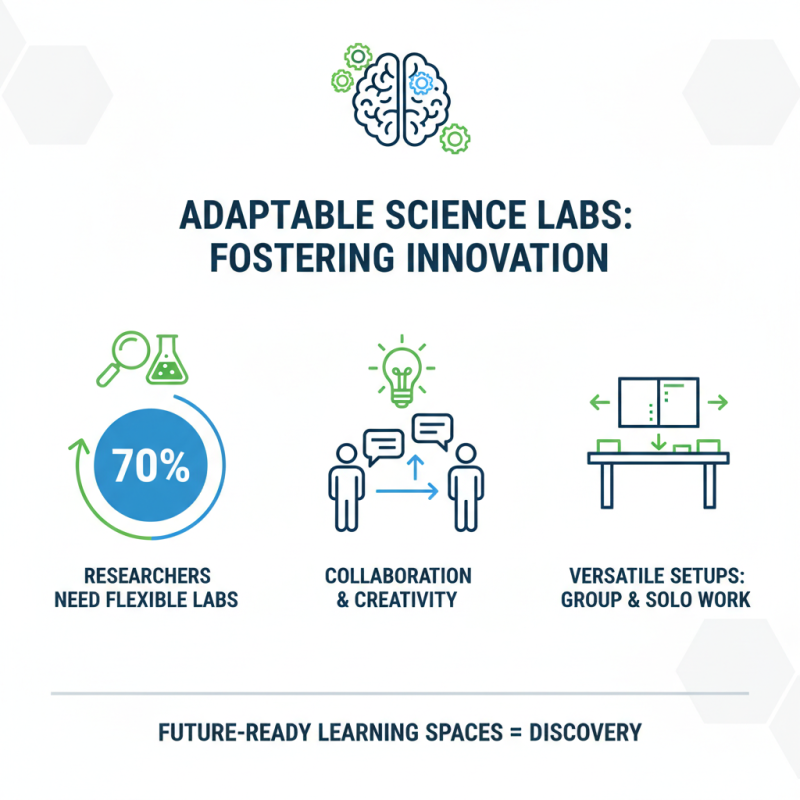
In today's rapidly evolving scientific landscape, designing flexible learning spaces is critical. Research shows that approximately 70% of researchers require adaptable labs to meet their diverse needs. This flexibility allows for various setups — from group collaborations to solo projects. A well-structured lab can encourage creativity. Open spaces help foster communication among scientists, leading to innovative discoveries.

Modern labs should incorporate movable furniture and modular equipment. This allows for quick adjustments based on project requirements. Data from a recent study indicates that labs with flexible designs can boost productivity by up to 30%. However, not all facilities achieve this ideal. Some labs still struggle with outdated layouts, hindering collaboration.

Moreover, technology integration in learning spaces remains inconsistent across institutions. While some labs excel in offering advanced tools, others lag behind. A balance of traditional methods and innovative technologies can create an enriching environment. Reflecting on these disparities is crucial. Improving lab designs will require constant feedback from users. Only then can we truly optimize learning and research outcomes.