2026 Top Microbiology Lab Equipment You Need to Know?
In the dynamic field of microbiology, having the right lab equipment is crucial. Scientists depend on reliable microbiology lab equipment to conduct experiments effectively. The tools used can make a significant difference in outcomes. For instance, accurate centrifuges and incubators can enhance data quality.
Choosing the right equipment can be challenging. With so many options, it's easy to feel overwhelmed. Microbiology lab equipment must meet specific needs. Researchers should consider durability, precision, and usability. Reflecting on past experiences can guide better decisions.
In 2026, advancements in technology will continue to impact microbiological studies. Emerging tools promise to offer enhanced performance and reliability. Being informed about these innovations is vital for success in the lab. As we explore the top equipment options, let's keep in mind the importance of continuous improvement and adaptation in our methodologies.
Essential Lab Equipment for Microbiology in 2026
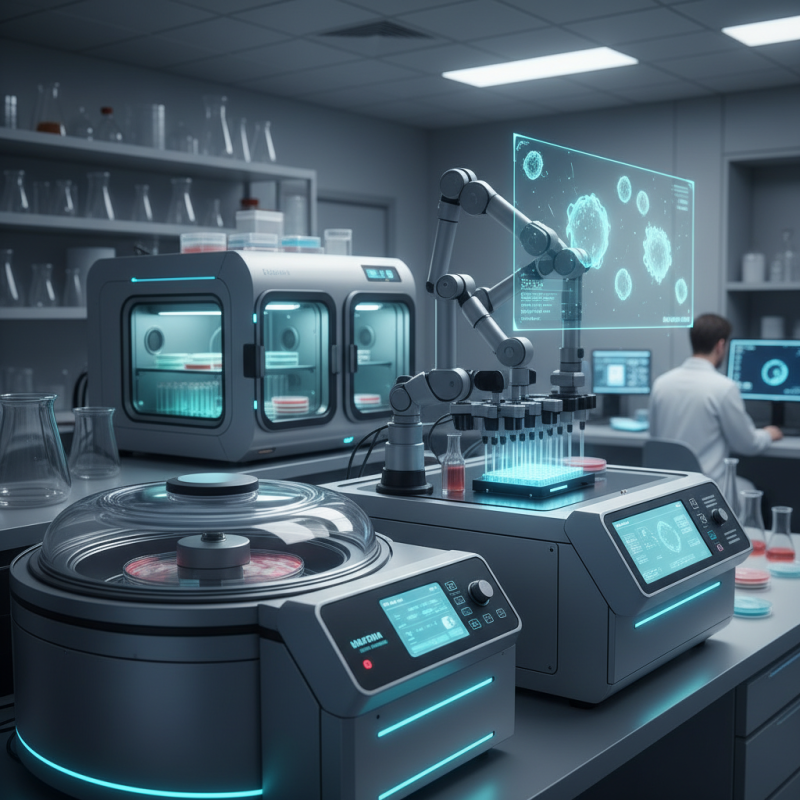
In 2026, the advancement of microbiology lab equipment is impressive. Essential tools will enhance research and diagnostics significantly. Among these, automated pipetting systems streamline liquid handling. They reduce human error and increase reproducibility. However, users may need training to avoid operational mistakes.
Another crucial addition is advanced incubators. These incubators provide precise temperature control and gas composition monitoring. This ensures optimal growth conditions for various microorganisms. Yet, not all labs can afford such high-tech models. Budget constraints might force compromises on equipment quality.
Finally, imaging systems with high-resolution capabilities are vital. They allow microbiologists to visualize bacterial cells and their interactions. This can lead to new discoveries in cell behavior. However, interpreting images requires expertise. Some researchers may struggle with complex datasets. Investing in training is essential but often overlooked.
Key Features to Consider When Choosing Microbiology Equipment
Choosing the right microbiology equipment can be overwhelming. Key features play a vital role in this process.
Look for durability. Equipment should withstand regular use in demanding environments.
Materials matter. Stainless steel and high-quality plastics often provide the best longevity.
Consider how easy it is to clean. Hygiene is crucial in any lab.
Another important aspect is functionality. The equipment should meet specific needs.
Assess its performance in various tests. Accuracy and precision are non-negotiable.
If a piece of equipment fails to produce reliable results, it may need reconsideration. Usability is equally significant;
look for intuitive designs that facilitate workflow.
Budget constraints can challenge decisions. High-quality equipment often comes at a premium.
However, investing wisely can save costs in the long run. Seek out versatile devices that serve multiple purposes. Balance is essential.
Sometimes, newer technology might not translate to better results. Reflect on what truly meets the lab's requirements.
Top Brands and Manufacturers in Microbiology Lab Equipment
When discussing microbiology lab equipment, several key manufacturers dominate the market. In a recent industry report, it was noted that the microbiology lab equipment market is projected to reach over $5 billion by 2026. This growth reflects the increasing demand for innovative solutions in research and diagnostics.
Leading manufacturers provide advanced tools like incubators, PCR machines, and biosafety cabinets. These devices are crucial for accurate microbial analysis and ensuring safety in laboratory environments. However, there’s still a gap in the accessibility of these technologies for smaller labs. High costs can limit their availability to institutions that most need them.
Quality varies considerably among brands. Many labs report challenges with equipment reliability. Some instruments require constant calibration, which leads to downtime. The need for user training also presents difficulties. Researchers often struggle with complex software interfaces. Despite the rapid advancements, a focus on usability remains essential. This is an area where manufacturers must improve.
2026 Top Microbiology Lab Equipment Overview
Future Trends in Microbiology Lab Equipment for Enhanced Research
As microbiology continues to evolve, lab equipment is becoming more advanced. Future trends focus on automation and connectivity. Automated systems will streamline processes, allowing researchers to focus on analysis rather than routine tasks. This shift is crucial in increasing lab efficiency.
Think about your lab's workflow. Are you manually handling repetitive tasks? Automation can save time and reduce errors. Investing in smart devices may enhance accuracy, but consider the initial cost. Balance needs with budget constraints.
Another trend is the integration of AI in data analysis. AI can identify patterns faster than humans. Yet, it requires proper training and validation. Researchers must remain vigilant and critically assess AI-generated data. Embrace innovation, but proceed with caution.