

NEWS AND UPDATES
The latest updates regarding our products and our company

Top 10 Temperature Humidity Test Chambers for Global Buyers?
Temperature Humidity Test Chambers are essential for various industries. These chambers simulate environmental conditions. They help predict product performance and reliability. According to a report by Transparency Market Research, the market for these chambers is expected to grow by 7% annually through 2026. This growth highlights their importance across sectors like electronics, pharmaceuticals, and automotive industries.
John Smith, an industry expert with over 20 years of experience, states, "Temperature Humidity Test Chambers are crucial for quality assurance and product development." His insight reflects the growing demand for reliable testing solutions. Companies face constant pressure to deliver quality products. Failing to adequately test can lead to recalls and damage to a brand's reputation.
These chambers can be complex and expensive. Choosing the right one requires thorough consideration. Factors such as size, accuracy, and control features are vital. Companies must also think about maintenance and operational costs. Making the right choice can be challenging, but it is imperative for success in competitive markets.
Top Features to Look for in Temperature Humidity Test Chambers
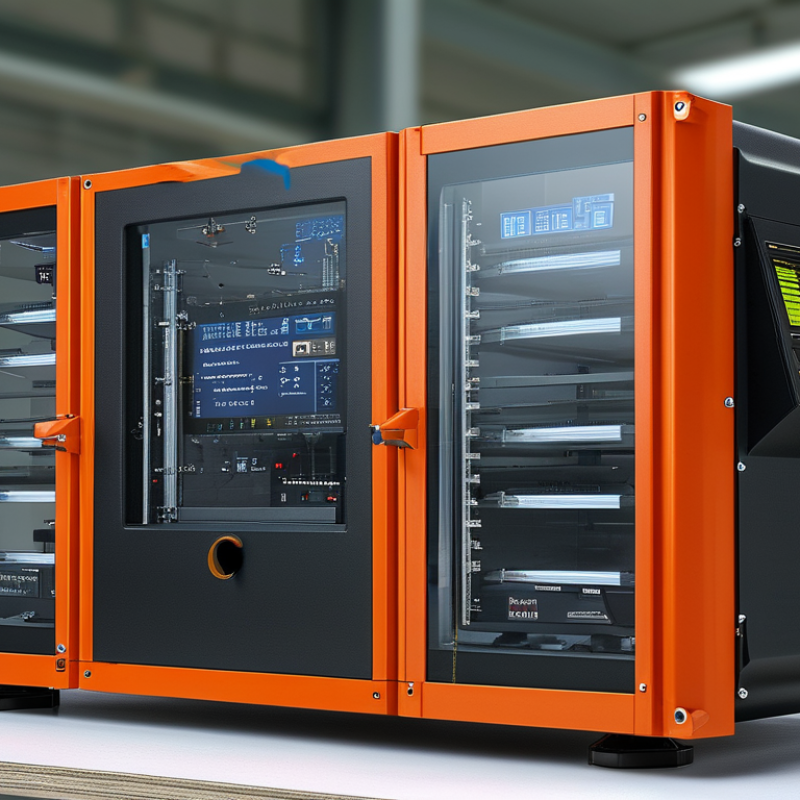
When selecting temperature humidity test chambers, it is essential to understand their key features. Precision is vital. Look for models that offer excellent temperature control with accuracy levels of ±0.5°C. Humidity control is equally crucial; a range of 20% to 95% relative humidity is ideal. This ensures varied testing conditions.
Consider chamber size and capacity. Testing large products requires ample space. Many chambers range from small units suitable for compact items to large ones for bulk testing. Moreover, think about the ease of monitoring conditions. Digital displays and remote monitoring enhance usability. According to recent industry reports, nearly 30% of test failures stem from inadequate environmental control.
Investing in a reliable and durable chamber may save costs in the long run. Frequent malfunctions can lead to incorrect test results. It’s wise to seek models with sturdy builds and warranty support. Remember, the right features can significantly impact testing outcomes and research reliability, so assess options based on your specific requirements.
Top 10 Temperature Humidity Test Chambers for Global Buyers
| Model | Temperature Range (°C) | Humidity Range (%) | Volume (L) | Control System | Key Features |
|---|---|---|---|---|---|
| Chamber A | -70 to 150 | 10 to 98 | 500 | Digital Controller | Fast temperature recovery, uniformity |
| Chamber B | -40 to 120 | 20 to 90 | 300 | PLC Control | Energy efficient, low noise |
| Chamber C | -70 to 180 | 10 to 95 | 600 | Touchscreen Interface | Real-time monitoring, data logging |
| Chamber D | -20 to 100 | 15 to 85 | 400 | Analog Control | Affordable, compact design |
| Chamber E | -60 to 140 | 5 to 98 | 800 | Multi-Function Controller | Flexible configuration, high performance |
| Chamber F | -30 to 110 | 20 to 100 | 350 | Smart Control | User-friendly, high reliability |
| Chamber G | -50 to 150 | 0 to 95 | 700 | Digital Touch Control | High precision, excellent stability |
| Chamber H | -40 to 120 | 900 | Advanced PLC Control | Automated tests, high throughput | |
| Chamber I | -70 to 150 | 10 to 100 | 550 | Touchless Control | Safety features, intuitive design |
| Chamber J | -30 to 130 | 15 to 85 | 450 | Hybrid Control | Compact, versatile applications |
Comparison of the Leading Brands in Temperature Humidity Chambers
When choosing a temperature humidity test chamber, understanding the brands is crucial. These chambers are essential for numerous industries, including electronics, pharmaceuticals, and food testing. Each brand offers unique features tailored to specific testing requirements, but some may not meet all needs.
A few chambers stand out based on functionality and reliability. One brand may excel in energy efficiency but might lack precision in humidity control. Another could offer advanced technology, yet be difficult to operate for new users. Understanding such nuances is vital. Features like size range, temperature fluctuation tolerance, and user-friendly interfaces play significant roles.
Testing environments often vary widely, necessitating distinct features. Some chambers are compact and portable, ideal for small labs. Others are larger, accommodating extensive research projects. Budget can also be a limiting factor. Users often face trade-offs between price and advanced capabilities. It's essential to weigh these considerations thoughtfully. Each buyer's experience may differ based on their unique applications and challenges.
Best Applications for Temperature Humidity Test Chambers
Temperature humidity test chambers play a crucial role in various industries. They simulate environmental conditions for product testing. Industries such as pharmaceuticals, electronics, and automotive heavily rely on these chambers. According to a report by MarketsandMarkets, the global environmental testing market is projected to grow from $2.8 billion in 2021 to $4.2 billion by 2026, highlighting the essential role of these chambers.
In the pharmaceutical sector, temperature humidity test chambers ensure the stability of drugs. They mimic various climates to test drug efficacy and shelf life. Studies indicate that 25% of pharmaceuticals fail due to inadequate stability testing. The electronics industry also benefits from these chambers. Components like semiconductors undergo stress tests in varying humidity levels to ensure reliability. A significant 30% of product recalls are related to environmental factors.
However, not all chambers are equally effective. Some may not maintain precise control over temperature and humidity settings. This inconsistency can lead to unreliable testing results. Regular calibration and maintenance are vital for optimal performance. Users must also ensure they choose the appropriate size and capacity for their specific needs. A mismatch can lead to wasted energy and resources. Proper selection and management are essential for achieving accurate results in challenging environmental conditions.
Cost Factors When Investing in Temperature Humidity Chambers
When investing in temperature and humidity chambers, understanding cost factors is crucial. The market frequently shows that these chambers can range from a few thousand to over $100,000. Size and capacity significantly impact price. For example, larger chambers with higher capacity may serve more extensive applications but come at a premium. A report by MarketsandMarkets states that the temperature and humidity testing equipment market is expected to grow at a CAGR of over 5% by 2025.
Maintenance costs also deserve consideration. Regular calibration is necessary to ensure accurate readings, which can add to long-term expenses. Some studies suggest that a poorly maintained chamber can lead to up to a 30% reduction in accuracy. Understanding energy consumption is another vital aspect. Chambers with advanced energy-saving technologies might have a higher initial cost, but they can lead to savings over time.
Lastly, consider the operational environment. Chambers used in highly controlled situations may need tighter specifications, leading to higher costs. While premium features enhance reliability, they may not always be necessary. Reflecting on these elements helps in making informed purchasing decisions. Opting for the cheapest option without evaluating long-term costs can backfire.
Top 10 Temperature Humidity Test Chambers Cost Analysis
Maintenance Tips for Prolonging the Life of Test Chambers
Maintaining temperature and humidity test chambers is crucial for accurate testing results. Regular maintenance can extend the lifespan of these devices significantly. According to industry reports, properly maintained test chambers can last up to 15 years, while neglected equipment often lasts only half that time.
One essential tip is to keep chambers clean. Dust and debris can affect performance. Clean the interior surfaces regularly with a mild cleaner. Ensure that seals are intact to prevent humidity leaks. Check for any wear or damage.
Another tip involves monitoring temperature and humidity levels. Calibration should happen every six months. Accurate readings ensure reliable data. Regular checks help identify potential issues before they escalate. Software updates also enhance performance. Stay informed about the latest features and updates in your equipment.
Proper ventilation is necessary. An overcrowded workspace can lead to overheating. Space allows for efficient air circulation. Always operate test chambers within manufacturer specifications. These practices can prevent costly repairs and downtime, ensuring consistent performance over the years.
Schedule
Monday to Thursday:
8:15 – 17:00
Friday:
8:00-15:00
Address
Leonardo Da Vinci, 10
Valencia Technology Park
46980 Paterna, Valencia, SPAIN
Real Laboratory SL
info@site_e1c8a3bd-d539-4d7f-8695-37f21373de39
Teléfono: +34 96 136 61 07
