
NEWS AND UPDATES
The latest updates regarding our products and our company

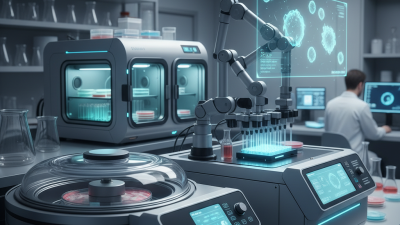
10 Best Innovations Shaping the Lab of the Future?
As we navigate the advancements in science and technology, the concept of the "lab of the future" emerges. Dr. Emily Chen, a leading expert in laboratory innovation, states, "The lab of the future must embrace change to meet evolving scientific demands." This statement underscores the need for adaptability in lab environments.
Innovations are rapidly transforming how laboratories function. From automation to artificial intelligence, these advancements aim to increase efficiency and accuracy. For instance, integrating robotics not only streamlines repetitive tasks but also allows researchers to focus on critical problem-solving. Yet, as we adopt new tools, it is vital to reflect on potential drawbacks, such as the risk of over-reliance on technology.
The "lab of the future" is not just about the latest gadgets. It involves creating a holistic environment that fosters creativity and collaboration. Researchers must balance innovation with ethical considerations. As we embrace these changes, constant evaluation of our tools and methods becomes essential for sustaining scientific integrity and advancing knowledge.
Innovative Automation Technologies Enhancing Laboratory Efficiency
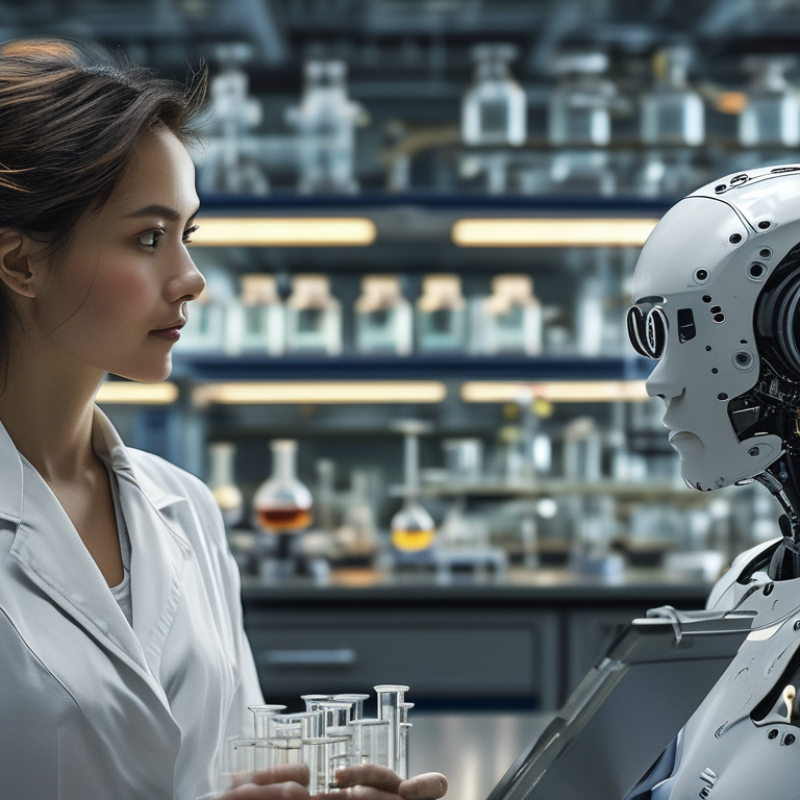
Innovative automation technologies are transforming laboratory environments into efficient, streamlined spaces. Automation tools help in managing repetitive tasks, allowing researchers to focus on more complex problems. These innovations can include robotic systems for sample processing, which minimize human error. Additionally, they enhance productivity and speed up results.
One striking example is the integration of smart lab instruments. These devices can communicate and share data seamlessly. However, there can be challenges, such as the initial cost of implementation and the learning curve involved for lab personnel. Researchers must constantly update their skills to adapt to new technologies.
Moreover, while automation improves efficiency, it raises questions about job roles in the lab. Will human expertise be overshadowed by machines? Balancing automation with human input remains crucial for innovative research. The lab of the future must create a synergy between technology and human insight.
Advanced Data Analytics Tools Transforming Research Outcomes
Advanced data analytics tools are revolutionizing research outcomes in laboratories worldwide. They enhance decision-making processes and improve experimental results. According to a report from the McKinsey Global Institute, data-driven organizations are 23 times more likely to acquire customers. This illustrates the strong impact of analytics across various sectors, including scientific research.
In laboratory settings, these tools streamline data collection and interpretation. For instance, machine learning algorithms can quickly analyze large datasets, identifying patterns that might take human researchers weeks to uncover. A recent study reported that labs using predictive analytics could accelerate drug discovery by up to 30%. However, the reliance on algorithms raises concerns about data biases and the accuracy of conclusions drawn from them.
Additionally, data privacy issues come into play. Researchers must carefully consider how they handle sensitive information in a connected environment. Challenges persist in ensuring the reliability of data sources. A survey indicated that nearly 40% of scientists express doubts about data integrity. Addressing these issues is crucial for fostering a trustworthy research environment. The interplay of innovation and caution will shape the future landscape of laboratory research.
Cutting-edge Laboratory Equipment Revolutionizing Experimental Processes
The laboratory of the future is rapidly evolving, driven by cutting-edge innovations in equipment and technology. Recent reports indicate that automation is a key trend, with 45% of labs investing in robotic systems to enhance precision. This shift allows scientists to focus on complex tasks, while machines handle repetitive activities. For example, automated liquid handlers can increase throughput by 75%. However, integration of such high-tech tools presents challenges in training staff and ensuring data accuracy.
Another significant change is the adoption of advanced data analytics tools. Sophisticated software analyzes experimental results significantly faster than traditional methods. A study from the National Institutes of Health suggests that using AI can reduce data interpretation time by over 50%. Nevertheless, the reliance on data-driven decisions raises concerns about interpretative bias and algorithm transparency.
Additionally, environmentally friendly lab equipment is gaining traction. The push for sustainability has led to the development of energy-efficient instruments that minimize waste. A report by the Environmental Protection Agency highlighted that labs can cut energy consumption by up to 30% with newer technologies. Balancing sustainability with performance still requires thoughtful consideration, as not all sustainable products meet the high standards needed for specific experiments.
Sustainable Practices and Green Technologies in Future Labs
The future of laboratories is increasingly focusing on sustainability. Future labs will prioritize energy efficiency and waste reduction. Incorporating renewable energy sources is a key trend. Solar panels can significantly reduce energy costs. Lab designers must also consider water conservation techniques, like rainwater harvesting.
Green technologies will shape research practices. Biodegradable materials can replace traditional plastics in lab setups. This shift can minimize environmental impact. Moreover, efficient recycling systems can manage waste more effectively. It’s vital to rethink laboratory layout to enhance airflow and natural lighting. This can boost both productivity and comfort.
However, implementing these innovations isn’t without challenges. Many labs may struggle with the initial investment. Training staff on sustainable practices can also take time. Yet, the long-term benefits are undeniable. Creating an eco-friendly lab not only protects the environment but also fosters a culture of responsibility among researchers. Embracing these changes is essential for a sustainable future in scientific research.
10 Best Innovations Shaping the Lab of the Future - Sustainable Practices and Green Technologies in Future Labs
| Innovation | Description | Benefits | Sustainability Impact |
|---|---|---|---|
| Biodegradable Lab Materials | Materials that decompose naturally, reducing plastic waste. | Minimizes environmental pollution and waste management costs. | Reduces landfill contributions and carbon footprint. |
| Energy-Efficient Equipment | Lab instruments designed to consume less energy. | Decreases energy costs, leading to long-term savings. | Lowers greenhouse gas emissions from energy production. |
| Water Recycling Systems | Systems that treat and recycle lab water for reuse. | Significantly reduces water consumption and costs. | Conserves water resources and reduces wastewater discharge. |
| Smart Lab Management Systems | AI-driven systems for efficient lab resource management. | Optimizes usage of resources, leading to cost efficiency. | Promotes sustainability through reduced overconsumption. |
| Green Laboratory Practices | Strategies for lab operations that prioritize ecological balance. | Enhances lab safety and reduces regulatory compliance costs. | Encourages responsible waste disposal and energy use. |
| Solar-Powered Labs | Laboratories utilizing solar energy for operations. | Decreases reliance on non-renewable energy sources. | Reduces overall carbon footprint and energy costs. |
| Digital Lab Notebooks | Electronic records to replace paper lab notebooks. | Improves data sharing and reduces paper usage. | Minimizes waste and promotes electronic data management. |
| Waste-to-Energy Solutions | Technologies that convert lab waste to energy. | Reduces waste disposal costs and generates energy. | Diverts waste from landfills while producing renewable energy. |
| Carbon Capture Technologies | Systems designed to capture CO2 emissions in labs. | Enhances compliance with environmental regulations. | Contributes to global efforts in climate change mitigation. |
Virtual and Augmented Reality Applications for Enhanced Training and Collaboration
Virtual and augmented reality (VR and AR) are transforming lab environments. These technologies enhance training and foster collaboration among researchers.
Imagine a lab where scientists interact in a virtual space. They can replicate complex experiments without physical limitations. This ability allows for risk-free exploration and creativity.
Training programs can now include immersive experiences. Trainees can practice procedures in a safe, controlled setting. It's possible to visualize molecular structures in 3D. This deepens understanding and improves retention of knowledge. However, not all users adapt easily to these tools. Some may find VR disorienting or overwhelming. Continuous feedback is essential to refine training approaches.
Collaboration is also evolving. Researchers across the globe can gather in a virtual lab. This approach breaks geographical barriers. Yet, it may lack the personal connection of face-to-face communication. Building trust and rapport can be challenging in virtual environments. Addressing these shortcomings is crucial for successful implementation.
Related Posts
-
2026 Top Microbiology Lab Equipment You Need to Know?
-
Top 10 Essential Medical Lab Equipment Every Laboratory Needs?
-
2026 Best Microbiology Lab Equipment for Scientists and Researchers?
-
2026 Best Lab Apparatus for Innovative Experiments and Research?
-
2026 Top Scientific Lab Equipment Innovations for Research and Development?
-
How to Choose Essential Science Lab Equipment for Your Experiments?
Schedule
Monday to Thursday:
8:15 – 17:00
Friday:
8:00-15:00
Address
Leonardo Da Vinci, 10
Valencia Technology Park
46980 Paterna, Valencia, SPAIN
Real Laboratory SL
info@site_e1c8a3bd-d539-4d7f-8695-37f21373de39
Teléfono: +34 96 136 61 07