10 Best Lab Supply Stores for Global Buyers
Choosing a lab supply store for international purchasing involves more than comparing prices. Laboratories need dependable products, clear specifications, and realistic delivery estimates. A small mismatch in a pipette tip size or glassware capacity can disrupt routine work. Details matter. Buyers should check product descriptions, available documentation, customer support, and return terms before placing an order. Shipping options also deserve attention, especially when deliveries cross borders or require temperature-sensitive handling. Small gaps add up.
This guide introduces ten suppliers that serve buyers in different regions and laboratory settings. The comparison considers product range, ordering experience, accessibility, and practical support—not just catalogue size. Some stores may suit universities seeking everyday consumables, while others may better serve facilities sourcing balances, safety equipment, or specialist instruments. No single supplier fits every laboratory. Availability, shipping costs, and delivery times can change, so confirm current details directly with each seller. Buyers should also check that products meet their facility’s technical needs and applicable local requirements. A website can look polished and still leave questions unanswered. That is worth remembering. The aim here is to help global buyers make a more informed shortlist, while leaving room for careful verification before purchase.
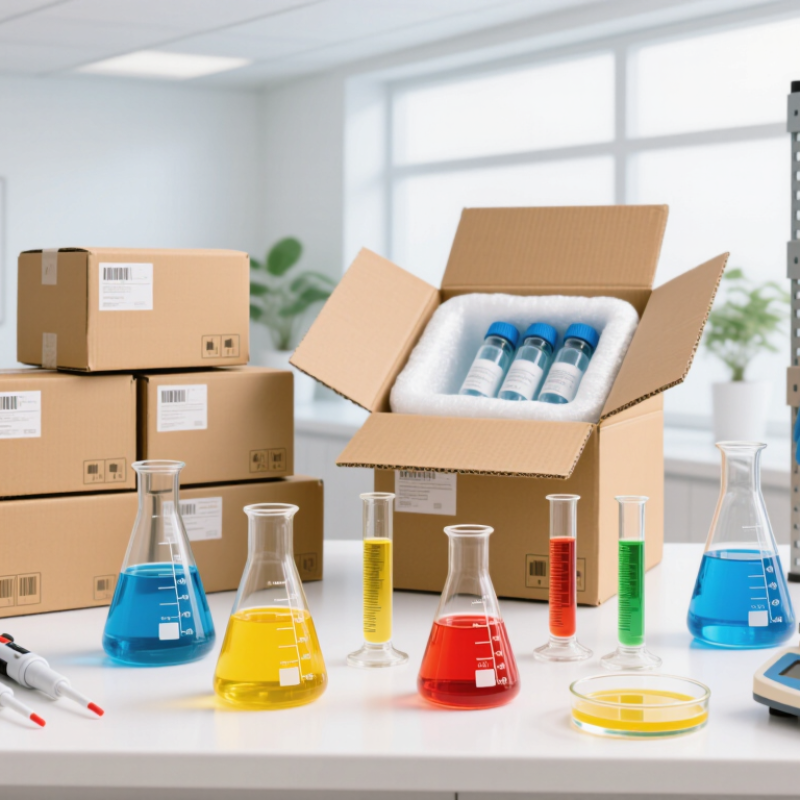
How Global Lab Supply Stores Serve Research and Industry
Global research and industry depend on reliable access to instruments, consumables, and replacement parts. A capable laboratory supplier does more than list products. It helps buyers compare specifications, confirm batch documentation, and coordinate deliveries across borders. UNESCO’s 2021 Science Report found that global research and development spending grew 19.2% from 2014 to 2018, outpacing global economic growth of 14.6%. More research activity means more pressure on supply networks. A missing filter or delayed calibration standard can hold up a bench workflow. Small details matter.
For international buyers, practical support includes clear lead times, shipment tracking, protective packaging, and responsive technical staff. Temperature-sensitive materials may need monitored transport, while instruments can require careful crating and installation planning. Suppliers also help research teams and industrial laboratories identify compatible alternatives when a preferred item is unavailable. That requires asking about operating conditions, not just matching a catalogue number. Still, paperwork and shipping estimates are not always perfect; buyers should verify critical specifications before ordering. A useful supplier makes those checks easier, with traceable product information and realistic delivery updates. Teams with different languages, time zones, and purchasing systems benefit from that steady communication.
Key Criteria for Evaluating International Lab Suppliers
An international lab supplier should be assessed on delivery evidence, product traceability, and technical support—not price alone. The World Bank’s 2023 Logistics Performance Index reports an average shipment journey of about 44 days, with a 10-day standard deviation, in its global tracking data. That spread matters. Ask suppliers for on-time delivery rates by shipping lane, recent examples of delay resolution, and realistic lead times for your destination.
Check whether quotations include customs paperwork, clear packing lists, and batch-specific certificates of analysis. For temperature-sensitive reagents, request the logger record and packaging details, such as coolant type and validated transit duration. Confirm that instruments arrive with calibration documents and accessible service support in your region. Response times matter when a freezer alarm sounds at 4 p.m. local time. Ask how replacement parts are stocked, too.
Compare total landed cost, including freight, insurance, duties, and handling fees. A low unit price can hide expensive delays. Request references from laboratories with similar shipping routes and storage needs. No supplier scorecard captures every disruption; ours can miss small but costly details. Review the terms for damaged goods and temperature excursions before placing an order.
Profiles of 10 Leading Lab Supply Stores for Global Buyers
Global buyers need more than a low unit price; they need consistent quality, clear documentation, and reliable delivery. Grand View Research’s 2024 laboratory supplies market analysis estimates the 2023 market at roughly US$40 billion. These ten profiles reflect different purchasing needs, not a universal ranking.
A full-line distributor suits routine orders. A regional stockist may replenish faster. A direct producer can clarify specifications. A consumables specialist offers deeper product knowledge. An instrument marketplace helps buyers compare models.
A cold-chain supplier should document temperature handoffs. A cleanroom supplier should provide contamination-control records. An academic procurement portal can simplify approvals. A glassware workshop handles unusual dimensions. A refurbished-equipment dealer may lower capital costs, though service histories deserve close review.
Small details matter. The World Bank’s 2023 Logistics Performance Index assessed 139 economies across six dimensions, including customs and timeliness. Cross-border lead times can therefore vary, even when shipping estimates look precise.
Check lot traceability, certificates, return terms, and export packing before placing an order. A polished catalogue does not guarantee dependable service.
Comparing Product Range, Pricing, Shipping, and Support
Global buyers should compare lab supply stores by more than catalog size. A broad range matters when one order includes pipette tips, glassware, gloves, and temperature-sensitive materials. Check sizes, materials, grades, and stated compatibility before comparing prices. A low unit price can hide minimum quantities or costly substitutions.
Shipping changes the real cost. Review handling fees, estimated transit windows, tracking, and packaging details for fragile items. For temperature-sensitive goods, confirm how the seller maintains required conditions and what happens after a delay. Ask whether export documents and invoices are prepared accurately for your destination. Customs rules differ. Delivery estimates are not guarantees; weather and carrier disruptions can shift them.
Support is easiest to judge before a problem arises. Send a specific question about a product specification, backorder, or damaged shipment, then note how clearly the store responds. Reliable staff should cite product documentation and explain limits rather than promise universal compatibility. Keep order records. Published ratings and shipping estimates may reflect other regions, not yours. Compare a small, ordinary order first, if practical, and assess accuracy, packaging, and response time before consolidating purchases.
10 Best Lab Supply Stores for Global Buyers — Comparing Product Range, Pricing, Shipping, and Support
A practical comparison framework for global buyers. The chart shows approximate shipping transit windows by method, not rankings or guarantees from individual suppliers.
Typical planning estimates in business days: actual delivery depends on origin, destination, customs clearance, product availability, and any special handling requirements. When comparing suppliers, also check product coverage, price transparency, export documentation, and customer support.
How to Choose a Supplier for Your Laboratory’s Needs
Choosing a laboratory supplier means matching products and service to real workflows, not simply comparing catalog prices. The WHO Laboratory Quality Management System handbook treats purchasing and inventory control as parts of laboratory quality management. Ask for clear specifications, batch traceability, expiry information, and documentation that supports your quality procedures. Check whether technical support can help resolve a problem, not just process an order.
For international purchasing, delivery reliability deserves close attention. The World Bank’s 2023 Logistics Performance Index assessed 139 economies across six areas, including customs, tracking, logistics competence, and timeliness. These measures offer useful context, but they cannot guarantee a particular shipment will arrive on schedule. Request realistic lead times, clear shipping conditions, and a process for handling damaged or delayed goods. I would not judge a supplier by a polished website alone; paperwork can look stronger than day-to-day service.
Tips: Compare total cost, including freight, duties, storage needs, and replacement terms. For temperature-sensitive materials, confirm monitoring and packaging details before ordering. Start with a small test order when practical. It may reveal gaps that a long checklist misses. Price matters, but choosing the cheapest option can become an expensive mistake.