NEWS AND UPDATES
The latest updates regarding our products and our company

2026 How to Choose Microbiology Lab Equipment for Global Labs?
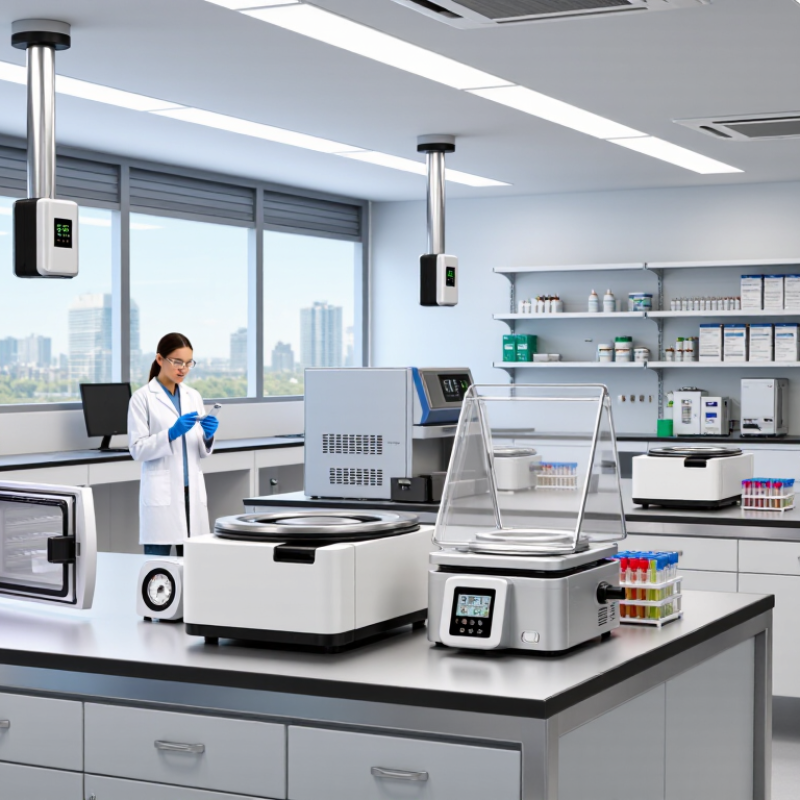
Choosing microbiology lab equipment in 2026 requires more than comparing prices, brands, or product brochures. Global laboratories face different workloads, infrastructure limits, biosafety requirements, and maintenance realities. A compact incubator may suit a regional clinic, while a reference laboratory may require automated culture systems, validated sterilization, and continuous environmental monitoring. The right decision begins with actual testing volume, specimen types, staff skills, and available utilities.
Recent health data makes this choice more urgent. The World Health Organization’s Global Report on Infection Prevention and Control reports that healthcare-associated infections affect about 7% of patients in high-income countries and 15% in low- and middle-income countries. Reliable microbiology lab equipment supports faster detection, contamination control, and better infection surveillance. WHO’s Global Antimicrobial Resistance and Use Surveillance System also emphasizes stronger laboratory capacity for dependable resistance data. Yet equipment alone cannot solve weak workflows. That assumption deserves scrutiny.
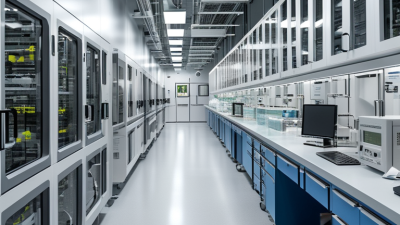
A practical selection process should examine temperature stability, calibration records, power protection, cleaning access, spare-parts availability, and local technical support. ISO 15189:2022 highlights competence, traceability, risk management, and reliable laboratory results. The WHO Laboratory Biosafety Manual, fourth edition, further stresses risk-based design rather than automatic reliance on fixed equipment lists. A centrifuge that performs well in a showroom may struggle with unstable electricity or limited ventilation. That is easy to overlook. For global labs, the best microbiology lab equipment is not always the most advanced option. It is the system that remains safe, serviceable, and accurate under real working conditions.
Define Laboratory Needs, Workflows, and Testing Objectives
How to Choose Microbiology Lab Equipment for Global Labs?
Choosing microbiology equipment begins with defined testing objectives, not a catalog. Specify specimen types, target organisms, turnaround times, and reporting requirements. A rural clinic may need robust culture capacity, while a reference laboratory may require automated identification and resistance testing. Start with specimens.
The WHO Global Tuberculosis Report 2024 recorded 8.2 million people newly diagnosed with tuberculosis in 2023. That workload supports planning for safe specimen reception, incubation, microscopy, and confirmatory testing.
The CDC’s Antibiotic Resistance Threats Report estimated more than 2.8 million antimicrobial-resistant infections annually in the United States. Therefore, equipment selection should support quality control, susceptibility testing, and traceable results. Local resistance patterns must guide the workflow.
Infrastructure can change the decision. The WHO and UNICEF Joint Monitoring Programme reported that one in five healthcare facilities lacked basic water services in 2022. Select equipment that tolerates power interruptions, limited water access, and difficult maintenance conditions.
Map each step from collection to disposal, then identify bottlenecks. We may still overbuy. A documented gap analysis helps prevent that mistake.
Include calibration, staff training, consumables, and service access in the total requirement. Review the plan against ISO 15189 principles and applicable national rules.
Keep some flexibility for changing disease burdens and surveillance priorities.
Compare Essential Microbiology Equipment by Function
How to Choose Microbiology Lab Equipment for Global Labs?
Equipment should be compared by function, not by appearance or purchase price. For sample preparation, reliable micropipettes, a calibrated balance, and a suitable centrifuge form the working core. A certified biosafety cabinet supports safer handling and reduces contamination risks. Capacity matters when daily workloads vary across regional laboratories.
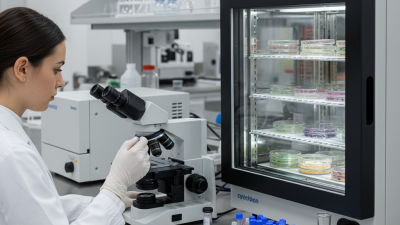
For cultivation, compare incubators by temperature stability, humidity control, chamber volume, and recovery time after opening. Anaerobic work may require an anaerobic chamber or specialized jar system. Sterilization needs an autoclave with verified cycle performance, clear records, and local technical support. A cheaper unit can become expensive when spare parts are unavailable.
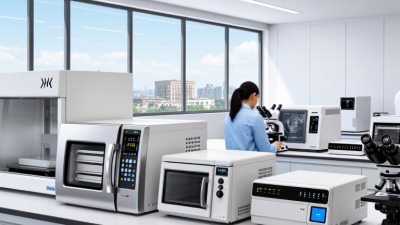
Observation and measurement require different strengths. Microscopes support morphology checks, while spectrophotometers or plate readers provide numerical results. Select instruments that match the test method and expected sample volume. Data loggers help track temperatures during storage and transport. This detail is often underestimated.
A practical evaluation should include calibration, cleaning, power requirements, training, and consumable availability. Local voltage differences can disrupt otherwise excellent equipment. Written procedures and competency checks improve consistency between sites. A perfect checklist does not exist. Some laboratories may still overbuy. Reviewing actual workload after six months can reveal unused capacity, weak maintenance habits, or a missing accessory that seemed unimportant during procurement.
2026 How to Choose Microbiology Lab Equipment for Global Labs?
Compare essential microbiology equipment by function using representative operating setpoints commonly used in routine laboratory workflows.
Typical reference points: refrigerated storage is commonly maintained at 2–8°C, microbiological incubation often uses 35–37°C, standard steam sterilization commonly uses 121°C, frozen storage commonly uses −20°C, and many molecular workflows use 95°C denaturation. Actual settings depend on the method, sample type, and applicable laboratory standard.
Evaluate Quality, Safety, Compliance, and Sustainability
Choosing microbiology lab equipment in 2026 requires more than comparing specifications. Quality begins with repeatable performance, stable temperature control, and clear calibration records. Ask how results are verified after shipping, installation, and power interruptions. A polished display means little if recovery time remains undocumented. Request service procedures, spare-part availability, and training materials in the local working language. Small details matter.
Safety should be assessed at the bench, not only in a brochure. Check sealed surfaces, alarms, ergonomic access, and safe waste-handling workflows. Match equipment to the laboratory’s risk assessment and containment practices. Independent certificates can support confidence, but they do not replace local verification. Confirm electrical requirements, maintenance intervals, and records needed for audits. Requirements differ across countries. That complicates procurement.
Sustainability includes energy use, water demand, packaging, repairability, and operating life. Compare full lifecycle impact, not just purchase price. An efficient instrument may still create waste if single-use components are excessive. Choose modular designs when practical, and ask whether parts can be repaired rather than discarded. Yet sustainability claims can be incomplete. Suppliers should provide measurable data, while laboratories should document assumptions and revisit them after real use. No checklist is perfect. Reflection remains necessary.
Assess Suppliers, Service Support, and Total Ownership Costs
Choosing microbiology equipment for global laboratories requires more than comparing purchase prices. Supplier capability matters because installation, calibration, training, and spare parts often determine usable performance. The WHO Laboratory Quality Management System handbook identifies equipment management as one of twelve essential quality systems. Ask suppliers for documented validation procedures, calibration records, response-time targets, and technician qualifications. Vague promises are not enough.
Service support should match local reality. Check whether engineers are available within the operating region, not only from a distant headquarters. Confirm language support, remote diagnostics, preventive-maintenance schedules, and backup procedures for failed incubators or refrigerators. The U.S. Department of Energy’s Labs21 guidance reports that laboratories may use five to ten times more energy per square foot than office buildings. Energy efficiency therefore affects operating budgets, especially in warm climates with unstable power. Small detail. Large consequence.
Total ownership cost should include installation, consumables, software updates, utilities, validation, downtime, disposal, and staff training. A lower quotation can become expensive after repeated service visits. Use a five- or ten-year cost model, then test it against weak assumptions. I would also request references from laboratories with similar workloads and infrastructure. That step is easy to skip. It should not be. The 2022 ISO 15189 framework also reinforces documented equipment control and traceability, making service records essential for reliable results and future audits.
| Equipment Category | Typical Technical Specification | Primary Use in Microbiology | Standards and Compliance Checks | Supplier Assessment Criteria | Service and Support Targets | Five-Year TCO Drivers |
|---|---|---|---|---|---|---|
| Class II Biological Safety Cabinet |
1.2 m working width is common HEPA-filtered supply and exhaust air Nominal inflow commonly around 0.45–0.55 m/s |
Protection of personnel, product, and the environment while handling potentially infectious cultures and clinical specimens. |
NSF/ANSI 49
EN 12469 Site certification after installation; airflow, HEPA integrity, alarms, and electrical safety verification. |
Documented factory testing, local installation capability, validated decontamination procedures, replacement-filter availability, and export packing quality. | Installation qualification within 30 days; annual certification recommended; critical alarm response plan; trained field engineer access. | Purchase price; freight and installation; annual certification; HEPA filter replacement; fan energy; decontamination; downtime and relocation costs. |
| Steam Autoclave |
Common chamber range: 50–200 L Typical sterilization cycles: 121°C or 134°C Chamber pressure and temperature monitoring |
Sterilization of media, glassware, instruments, and biohazard waste suitable for moist heat. |
EN 285
ISO 17665 Pressure-vessel requirements, cycle validation, biological indicators, water-quality control, and local electrical regulations. |
Cycle uniformity data, chamber material, water-treatment requirements, spare-parts stock, operator training, and documented preventive-maintenance procedures. | Preventive maintenance at least annually or according to cycle count; calibration traceability; emergency repair coverage; safety-valve inspection. | Utilities; water treatment; routine biological and chemical indicators; gasket and valve replacement; calibration; chamber maintenance; waste-disposal compliance. |
| Incubator |
Temperature range commonly ambient +5°C to 60°C Stability often specified near ±0.2–0.5°C 50–250 L internal volume |
Growth and maintenance of bacterial, fungal, and other microbial cultures under controlled temperature conditions. | Temperature mapping and calibration traceable to recognized national or international standards; alarm verification; electrical safety testing. | Recovery time after door opening, uniformity mapping, alarm history, shelf loading data, gasket quality, and availability of replacement sensors. | Remote or local alarm notification; annual calibration; service documentation in English; replacement-parts lead time preferably under 30 days. | Electricity consumption; calibration; sensor and gasket replacement; temperature excursions; culture-loss risk; backup capacity requirements. |
| Refrigerator / Ultra-Low Freezer |
Laboratory refrigerator: typically 2–8°C Ultra-low freezer: commonly −70°C to −86°C Temperature logging and high/low alarms |
Storage of reagents, media components, isolates, controls, and long-term microbial collections. | Temperature mapping, alarm testing, electrical-safety compliance, refrigerant requirements, and documented qualification after installation. | Pull-down and recovery performance, compressor design, door-seal quality, data-export capability, local power compatibility, and backup-power options. | 24/7 alarm escalation; annual temperature mapping; emergency response for compressor failure; validated backup-storage procedure. | High electricity use, especially for ultra-low freezers; service contracts; compressor replacement; backup power; sample-loss exposure; room heat load. |
| Laboratory Centrifuge |
Variable-speed models commonly reach 4,000–15,000 rpm Refrigerated models may operate from approximately −10°C to +40°C Rotor-specific maximum speed and capacity |
Separation of cells, microorganisms, precipitates, nucleic acids, and other biological materials. | Rotor safety certification, imbalance protection, lid interlock, speed and temperature calibration, and electrical-safety testing. | Rotor availability, rated service life, aerosol-tight accessories, imbalance detection, warranty coverage, and compatibility with local voltage and frequency. | Annual inspection recommended; rotor replacement and inspection schedule; rapid response for lid, motor, or refrigeration faults. | Base unit and rotors; rotor inspection or replacement; calibration; refrigeration energy; consumable adapters; downtime caused by unavailable rotors. |
| Optical Microscope |
Brightfield or phase-contrast configuration Typical objectives: 4×, 10×, 40×, and 100× oil immersion Digital imaging may use 5–20 MP cameras |
Examination of cell morphology, Gram-stained smears, fungal structures, parasites, and culture characteristics. | Optical performance verification, illumination safety, calibration of measurement software, and data-integrity controls where images are used for records. | Objective quality, serviceability of illumination modules, software licensing terms, image-export formats, training, and availability of replacement components. | Optical alignment support; annual preventive inspection; software updates; spare illumination and camera components; user training for imaging workflows. | Objectives and cameras; software licenses; calibration; illumination replacement; preventive maintenance; training; workstation and data-storage costs. |
| PCR or Real-Time PCR System |
Temperature cycling commonly uses 96-well or 384-well formats Real-time systems detect fluorescence during amplification Typical temperature range includes approximately 4–100°C |
Molecular detection, identification, quantification, and confirmation of microbial targets. | Method-specific validation; temperature and optical calibration; software access control; laboratory quality-system requirements; contamination-control procedures. | Assay compatibility, open-versus-closed consumable policy, data export, cybersecurity controls, software support life, and regional technical expertise. | Annual calibration or manufacturer-defined service interval; software support; remote diagnostics; replacement instrument or loaner policy for critical failures. | Instrument and software; reaction consumables; calibration; service contract; data system integration; training; downtime and repeat-testing costs. |
| Colony Counter |
Manual or digital counting platform Commonly accommodates 90–150 mm Petri dishes Image-based models require controlled illumination |
Enumeration of viable microorganisms in environmental, food, pharmaceutical, water, and clinical workflows. | Counting-method validation, image-record retention, calibration using reference plates, and compatibility with laboratory quality procedures. | Counting accuracy across colony sizes and colors, glare control, software usability, audit trail, data export, and operator training. | Annual verification; software maintenance; replacement lighting or camera modules; documented troubleshooting and user support. | Software license; calibration materials; service plan; image-storage capacity; training; productivity gains; cost of counting errors and retesting. |
| Water Purification System |
Type 1 ultrapure water: commonly around 18.2 MΩ·cm at 25°C Type 2 or purified water for routine preparation Online resistivity, TOC, and microbial monitoring may be available |
Preparation of media, buffers, molecular reagents, stains, and analytical solutions. | Water-quality specifications defined by the test method; routine sanitization; filter validation; monitoring records; applicable pharmacopeial requirements where relevant. | Feed-water tolerance, consumable availability, filter-life indicators, remote monitoring, local water quality, and annual operating-cost transparency. | Filter replacement based on quality or capacity; scheduled sanitization; annual performance verification; rapid access to cartridges and service technicians. | Pretreatment filters; polishing cartridges; UV lamps; sanitization; water and drain requirements; service visits; rejected experiments due to poor water quality. |
| Automated Microbiology Analyzer |
May combine incubation, imaging, identification, antimicrobial susceptibility, or automated plate handling Capacity depends on workflow and sample volume |
Standardization and throughput improvement for microbial identification, susceptibility testing, and plate-based analysis. | Intended-use validation; method comparison; software validation; cybersecurity review; data integrity; local regulatory requirements. | Throughput under real workload, open data interfaces, consumable continuity, algorithm performance, remote support, and upgrade policy. | Preventive maintenance, uptime commitment, application specialist support, validated software updates, and business-continuity planning. | Instrument; proprietary or open consumables; software and connectivity; service contract; validation; training; IT infrastructure; downtime impact. |
| General Supplier Evaluation |
Apply a weighted scorecard rather than purchase price alone. Recommended review horizon: five to ten years. |
Ensures equipment remains usable, compliant, serviceable, and financially sustainable across different countries and laboratory environments. | Verify certificates, user manuals, calibration records, installation qualification, operational qualification, and local import or safety documentation. | Suggested weighting: technical fit 25%; compliance 15%; service network 20%; five-year TCO 20%; delivery and training 10%; digital support 10%. | Request written service-level terms covering response time, uptime target, spare-parts availability, escalation route, loaner policy, and engineer qualifications. | Calculate purchase, shipping, duties, installation, validation, consumables, utilities, maintenance, calibration, software, training, downtime, disposal, and resale or replacement value. |

Build a Global Procurement, Validation, and Maintenance Plan
2026 How to Choose Microbiology Lab Equipment for Global Labs?
A global procurement plan should begin with test volume, climate, power stability, and local service capacity. The WHO’s 2022 Global Report on Infection Prevention and Control estimates that seven in 100 acute-care patients in high-income countries acquire healthcare-associated infections. The figure rises to 15 in low- and middle-income countries.
Specify temperature ranges, alarm functions, calibration access, and spare-part availability before comparing prices. The cheapest instrument can become expensive during a six-week repair delay.
Validation must follow a documented, risk-based pathway. Define installation, operational, and performance checks for every critical unit. Record acceptance criteria, calibration results, software versions, and staff training.
ISO 15189:2022 places stronger emphasis on risk management and competence across medical laboratories. That means a supplier’s technical promise is not enough.
Local verification matters. Test equipment with representative workloads, including difficult specimens and peak-hour pressure.
Maintenance plans should include remote support, preventive visits, backup capacity, and clear escalation times. WHO’s 2023 Global report on health care-associated infections links weak infrastructure and inconsistent systems with higher infection risks.
Keep paper and digital records. They catch patterns. Review downtime, failed controls, temperature excursions, and repeat repairs each quarter.
Our imperfect assumption may be trusting the original forecast too much. Demand changes, power failures happen, and trained staff leave. A resilient plan leaves room for revision.
Related Posts
-
What Is a Microbiology Lab and What Does It Do?
-
China Top Microbiology Lab Equipment Suppliers?
-
2026 Best Microbiology Lab Equipment Suppliers?
-
Best Microbiology Lab Equipment for Efficient Research 2026?
-
How to Choose the Best Microbiology Equipment for Your Laboratory in 2026?
-
2026 Best Microbiology Lab Equipment for Scientists and Researchers?
Schedule
Monday to Thursday:
8:15 – 17:00
Friday:
8:00-15:00
Address
Leonardo Da Vinci, 10
Valencia Technology Park
46980 Paterna, Valencia, SPAIN
Real Laboratory SL
info@site_e1c8a3bd-d539-4d7f-8695-37f21373de39
Teléfono: +34 96 136 61 07