What Are Lab Supplies and What Do They Include?
Laboratories depend on more than instruments and sophisticated software. They also rely on everyday lab supplies, including glassware, pipettes, centrifuge tubes, filters, gloves, labels, reagents, and storage containers. These items support sampling, measurement, preparation, testing, and safe waste handling. A small missing component can interrupt an entire workflow.
The global laboratory supplies market reflects this broad demand. Grand View Research has reported continued market growth, driven by pharmaceutical research, clinical diagnostics, biotechnology, and academic laboratories. MarketsandMarkets has also identified consumables as a major part of laboratory product spending. This matters because consumables are replaced frequently. A pipette tip may be used once, while a calibrated balance may serve for years. The purchasing logic is different.
Quality remains central. The World Health Organization’s Laboratory Quality Management System guidance emphasizes traceability, documentation, equipment control, and reliable procedures. These principles apply whether a laboratory handles water samples, clinical specimens, or research materials. Lab supplies must match the method, sample type, temperature range, and contamination controls. “Sterile” is not automatically suitable for every application.
The categories overlap. That can be confusing. A storage vial may also become a sampling tool. A filter may protect equipment, clarify a solution, or influence test results. Selecting supplies only by price can create hidden costs through contamination, rework, or failed measurements. Even experienced teams occasionally order the wrong size. That uncomfortable detail deserves attention. Understanding what lab supplies include creates a clearer foundation for purchasing, workflow design, safety, and dependable results.
Definition and Purpose of Laboratory Supplies
What Are Lab Supplies and What Do They Include?
Laboratory supplies are the everyday materials that support testing, research, teaching, and sample handling. They include glassware, plastic tubes, pipette tips, gloves, labels, filters, storage containers, cleaning materials, and prepared reagents. Some supplies are reusable, while others are consumed during routine work. Their purpose is practical: they help staff handle materials safely, measure consistently, and protect samples from contamination.
Good supplies support reliable laboratory results. A clean tube, accurate measuring tool, and readable label can prevent avoidable errors. Storage containers protect samples from heat, moisture, or accidental mixing. Safety supplies also matter. Gloves, protective eyewear, absorbent pads, and waste containers reduce exposure and keep work areas controlled. Standard operating procedures should guide selection, storage, and disposal. Requirements can vary by laboratory activity and local rules. A low-cost item is not always a suitable choice.
Tips: Check packaging before use. Confirm expiration dates and lot information. Keep sterile items sealed until needed. Label samples immediately, not later. Inspect glassware for cracks. Maintain a simple stock record. Even experienced teams make mistakes when supplies are poorly organized. A rushed label can weaken an otherwise careful experiment. Reviewing these small habits is worthwhile.
Laboratory supplies include containers, measuring tools, sample-handling items, and storage vessels used to prepare, measure, transfer, analyze, and preserve materials. This chart compares representative nominal capacities of commonly used laboratory supplies. Actual available sizes may vary by laboratory method and application.
Main Categories of Laboratory Supplies
Laboratory supplies are the everyday tools that support testing, measurement, preparation, and documentation.
Their main categories include consumables, glassware, instruments, safety products, and storage materials. Consumables cover pipette tips, tubes, filters, swabs, and disposable trays. They are used once or for limited cycles, so cleanliness and correct sizing matter. Small errors matter.
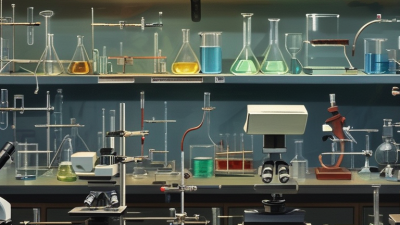
Glassware includes beakers, flasks, cylinders, and specialized vessels. It supports mixing, heating, dilution, and volume measurement. Instruments form another major category. Balances, pH meters, centrifuges, microscopes, and temperature monitors require suitable operating procedures. Regular checks and calibration records improve confidence in their results. A device can look modern yet provide unreliable data when maintenance is ignored.
Safety and storage supplies protect people, samples, and work areas. Gloves, protective eyewear, lab coats, spill-control materials, labels, racks, and sealed containers are common examples. In daily laboratory work, clear labels prevent confusion between similar tubes. Separate storage zones also reduce contamination and accidental damage. I have found that convenience can influence selection too much. A cheaper item may create more waste, delays, or inconsistent results. That judgment deserves review. Good supply management connects each item with its intended use, quality requirements, storage conditions, and disposal procedure.
Common Materials and Equipment in Laboratories
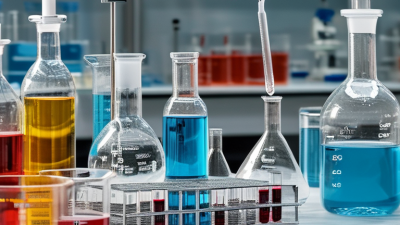
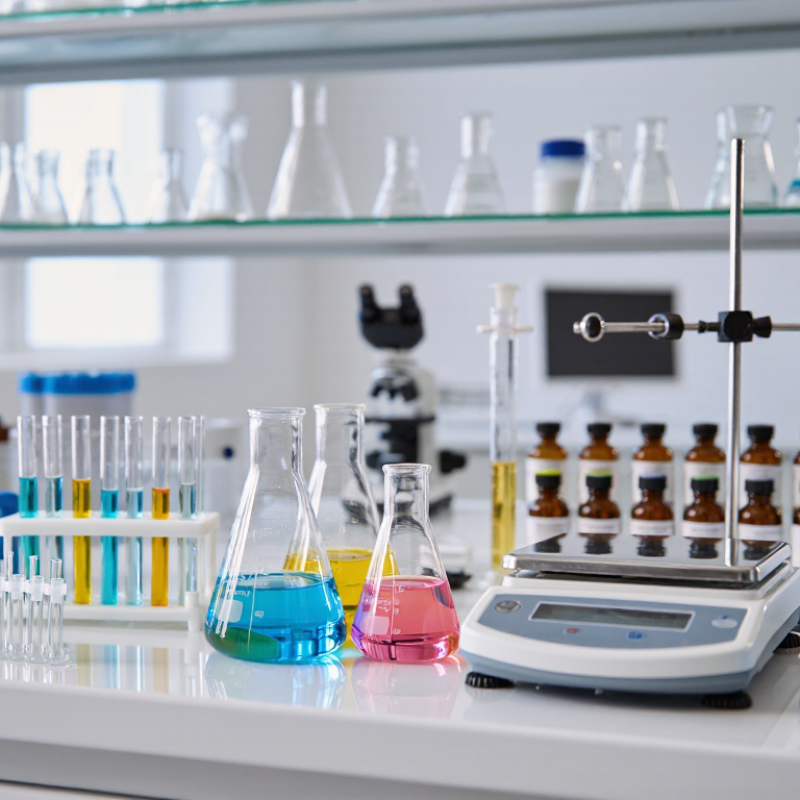
Laboratories rely on ordinary-looking supplies to produce reliable results. Glass beakers hold liquids, while graduated cylinders measure volume more precisely. Test tubes support small reactions and fit neatly into racks. Pipettes transfer measured amounts, but technique matters as much as the tool. A rushed transfer can create droplets, bubbles, or misleading readings. Small errors matter.
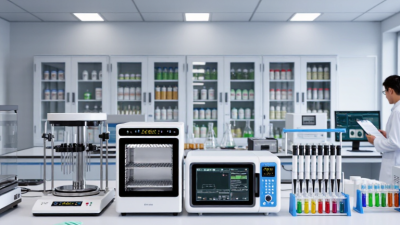
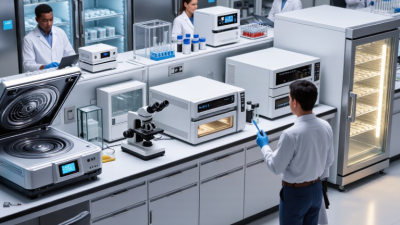
Common equipment includes analytical balances, microscopes, hot plates, centrifuges, and water baths. A balance should sit on a stable surface away from vibration and drafts. Microscopes need clean lenses and careful focusing, especially when viewing faint structures. Centrifuges separate samples by spinning them at controlled speeds. Their tubes must be balanced before operation. Water baths provide even heating for temperature-sensitive procedures. Equipment manuals and safety procedures deserve close attention.
Laboratory supplies also include gloves, goggles, lab coats, labels, wipes, and waste containers. Labels should show the sample name, date, and relevant handling information. Clean benches reduce contamination, although clean does not always mean sterile. I have seen simple labeling mistakes slow an entire afternoon. Experienced staff check measurements twice and inspect glassware for chips. Not every workflow is perfect. Good records reveal weaknesses and help teams improve procedures without guessing.
Uses of Laboratory Supplies in Scientific Work
What Are Lab Supplies and What Do They Include?
Uses of Laboratory Supplies in Scientific Work
Laboratory supplies turn scientific procedures into controlled, repeatable actions. They include beakers, tubes, pipettes, balances, filters, labels, gloves, and protective eyewear. Each item supports a specific task, from measuring liquids to preventing contamination. Small errors matter. A poorly fitted pipette tip can change a dilution, while unclear labels can weaken sample traceability. Good practice means selecting supplies that match the method, sample type, temperature, and required accuracy.
In analytical work, glassware helps transfer and contain samples without unnecessary exposure. Pipettes support accurate dosing during testing, preparation, and calibration. Balances measure solids, while filters remove unwanted particles from liquids or gases. Labels record sample identity, date, operator, and storage conditions. These details help laboratories compare results and investigate unusual findings. Clean tools and suitable containers also reduce contamination between samples.
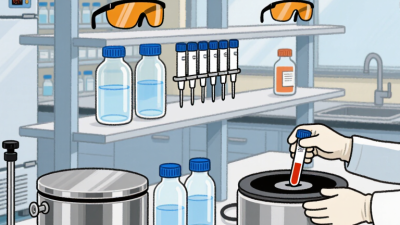
Laboratory supplies protect people and maintain an orderly workspace. Gloves reduce direct contact risks, and splash-resistant eyewear helps during liquid transfer. Waste containers support proper separation and safer disposal according to local procedures. Still, supply choices are not always perfect. Budget, availability, and compatibility can conflict. A cheaper item may seem practical, yet inconsistent dimensions can create repeated errors. A careful review of calibration records, storage conditions, and handling instructions often reveals problems that routine work hides.
Safety, Storage, and Maintenance Requirements
What Are Lab Supplies and What Do They Include?
Lab supplies include glassware, pipettes, sample containers, protective equipment, cleaning tools, and measurement devices. Their safety depends on more than correct selection. Staff must inspect supplies before use, especially after long storage. Cracked glass, stiff tubing, faded labels, and damaged seals can create avoidable hazards. Even experienced technicians miss small defects during busy shifts. A second inspection is often worthwhile.
Storage conditions should match each item’s material and purpose. Keep clean glassware in closed, dust-free cabinets. Store chemicals and disposable supplies according to their safety instructions, away from heat, moisture, and direct sunlight. Heavy containers belong on lower shelves. Sharp tools need secure holders, not open trays. Clear labels should show contents, dates, and handling warnings. Temperature logs and access records support reliable laboratory practice. No checklist is perfect.
Tips:
Use clean, dry hands when handling sterile supplies. Replace damaged items immediately. Do not return unused materials to original containers without approval. Schedule routine checks for pipettes, balances, eyewash stations, and ventilation equipment. Record maintenance clearly, including the person, date, and action taken. If storage rules seem unclear, pause the task and consult the responsible safety professional. Small delays protect samples, equipment, and people.