

How to Choose the Best Science Lab Supplies?
Choosing the right science lab supplies is not a simple shopping exercise. The choices affect measurement accuracy, workflow, and the safety of everyone in the room. A beaker that is too small can complicate mixing; poorly fitting gloves can make careful work harder. Small details matter.
Laboratory safety expert James A. Kaufman is often associated with this guiding principle: “Safety is not a priority, because priorities change; safety is a value.” That idea applies to purchasing, too. Reliable supplies should suit the experiment, the users, and the conditions in which they will be used. Check material compatibility, capacity, measurement tolerances, durability, and clear product documentation. For shared labs, consider ease of cleaning, storage space, and whether replacement parts are available. Not just price.
A useful selection process begins with a written list of actual tasks, not a catalog’s most attractive claims. Compare specifications across reputable manufacturers, and ask whether a product has been tested for its intended use. For specialized needs, consult qualified lab staff or the institution’s safety officer. This guide will help readers assess quality, compatibility, safety features, supplier reliability, and total cost. No checklist catches everything. I have seen purchasing plans overlook ordinary constraints, like crowded shelves or awkward handling. Revisit those assumptions before ordering; the best science lab supplies are the ones that work reliably in the lab you actually have.
Identify Your Laboratory’s Purpose and Supply Requirements
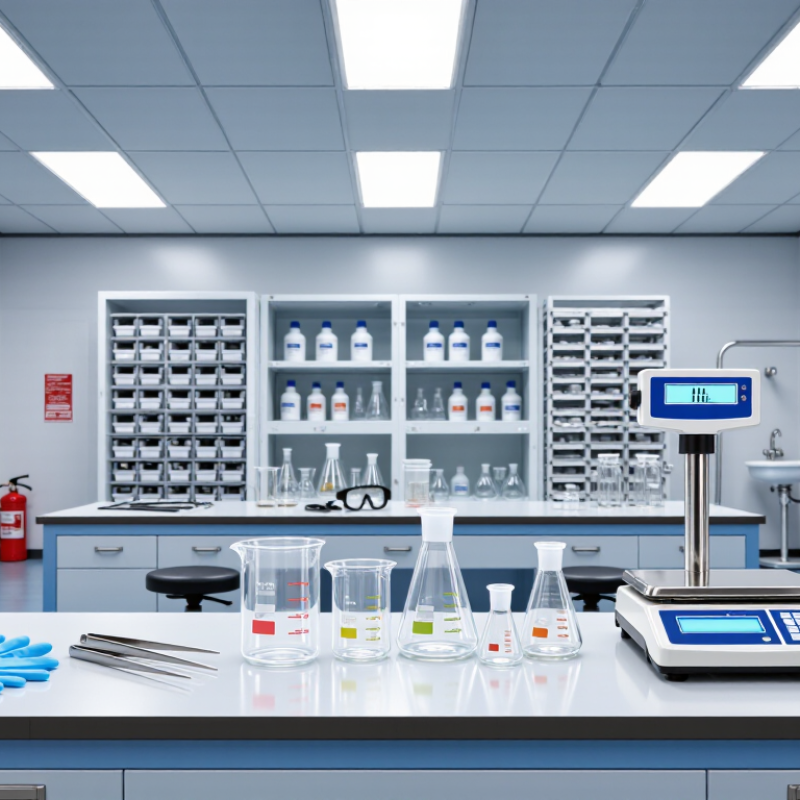
Before comparing prices, define what the laboratory does each week. A teaching lab using prepared slides needs microscopes, glassware, and cleaning supplies. A molecular biology room may need calibrated pipettes, compatible tips, cold storage, and contamination controls. List procedures, sample types, throughput, storage conditions, and users’ skill levels. UNESCO’s Science Report 2021 places global research and development spending at about 1.7% of GDP in 2018. This signals diverse research activity, not a universal shopping list. Plans are never perfect.
Tips: Map each procedure to its required instrument, consumable, safety control, and service interval. Check capacity against peak workload; a freezer that fits today’s samples may not fit next year’s study. Confirm consumable compatibility and calibration needs using instrument documentation. Keep a small buffer of routine items, but avoid overstocking reagents with short shelf lives. Ask whether shared equipment creates scheduling delays. A mismatch is costly.
Review the list with staff at the bench, not only in a spreadsheet. Record what is shared, what fails often, and which items require training or maintenance. Confirm electrical, ventilation, space, and waste-handling needs before ordering. Then test assumptions with a modest initial purchase and revise based on actual use. Even careful planning can miss details.
| Laboratory Purpose | Typical Work | Core Supplies | Key Selection Requirements | Storage and Safety Considerations |
|---|---|---|---|---|
| General chemistry | Preparing solutions, measuring liquids, and carrying out small-scale reactions | Beakers, graduated cylinders, flasks, glass stirring rods, weighing boats, balances, and chemical-resistant gloves | Choose glassware with suitable volume ranges and graduations; use volumetric glassware when precise solution preparation is required. Confirm material compatibility with the chemicals used. | Store chemicals according to their safety data sheets and compatibility groups. Use appropriate eye protection and ventilation based on the hazards and procedure. |
| Biology and microscopy | Observing cells, tissues, prepared slides, or other specimens | Microscope slides, coverslips, transfer pipettes, forceps, specimen containers, and microscopes | Select slides and coverslips that fit the microscope and intended specimen. Choose a microscope with suitable magnification and illumination for the work. | Keep optical equipment clean and dry. Handle glass slides carefully, and dispose of broken glass in a designated sharps or glass-waste container. |
| Microbiology | Handling microbial cultures and practicing aseptic technique | Sterile Petri dishes, culture tubes, sterile loops or swabs, suitable growth media, and sealed waste containers | Use sterile, single-use items or validated reusable supplies as appropriate. Match media and containers to the organism and procedure. | Follow institutional biosafety procedures for the organisms handled. Use a certified biological safety cabinet when the risk assessment or protocol requires one; a clean bench is not a substitute. |
| Molecular biology | Preparing and transferring small-volume samples for DNA, RNA, or protein work | Adjustable micropipettes, compatible tips, microcentrifuge tubes, tube racks, and a microcentrifuge | Choose pipettes covering the required volume ranges and use tips that fit the pipette. Calibrate pipettes at the intervals required by the laboratory’s quality system. | Use separate, clearly identified areas or equipment where needed to reduce contamination. Store temperature-sensitive reagents at the conditions specified by their manufacturer. |
| Environmental testing | Collecting and preparing water, soil, or air samples for analysis | Sample bottles, labeled containers, filtration supplies, measuring tools, and appropriate field PPE | Choose containers and preservation methods appropriate to the analyte and test method. Check required sample volume, holding time, and transport conditions before collection. | Label samples with collection details and maintain required transport temperatures. Follow the method’s instructions for preservatives and chemical handling. |
| Teaching laboratory | Demonstrations and supervised student experiments | Durable glassware, plasticware, measuring tools, trays, splash goggles, and clearly labeled waste containers | Prioritize clear graduations, straightforward operation, and equipment suited to student skill levels. Keep quantities aligned with class size and planned experiments. | Provide accessible safety instructions and designated storage for equipment and waste. Inspect reusable items for cracks or damage before each session. |
| Quality-control testing | Routine measurements and repeatable testing against documented procedures | Calibrated balances, volumetric glassware, pipettes, reference materials, and sample containers | Match equipment specifications to the method’s accuracy and precision requirements. Maintain calibration, maintenance, and lot records where required by the quality system. | Control access to reference materials and document storage conditions. Use traceable labels and established procedures for handling samples and test results. |
Related Posts
-
Top 10 Must Have Medical Laboratory Supplies for Every Facility
-
Why Choose a Reliable Lab Equipment Distributor?
-
What Are the Top Types of Science Lab Supplies in 2026?
-
China Top 10 Science Lab Equipment Manufacturers
-
10 Best Lab Supply Stores for Global Buyers
-
2026 Best Medical Lab Equipment for Global Buyers?