
What Are the Top Types of Science Lab Supplies in 2026?
A well-equipped laboratory is not defined by one expensive instrument. It depends on reliable everyday supplies: glassware, pipettes, balances, protective equipment, sterile consumables, storage, and cleaning materials. In 2026, choosing science lab supplies means matching each item to the work, the users, and the conditions it must withstand. A cracked beaker, poorly fitting glove, or inconsistent pipette can disrupt a careful experiment. Small details matter.
Physicist Richard Feynman was not a laboratory-supply industry specialist, but his warning applies to purchasing decisions: “The first principle is that you must not fool yourself—and you are the easiest person to fool.” His reminder supports a practical habit: check specifications, compatibility, calibration needs, and supplier documentation instead of trusting labels alone. Some choices are less straightforward than they seem. A low-cost item may be perfectly adequate for routine teaching, yet unsuitable for repeated precision work. And a “premium” option is not automatically the right one.
This guide examines the leading categories of science lab supplies, from basic glassware and measuring tools to safety gear and modern instruments. It focuses on what each category does, where quality differences become visible, and which questions buyers should ask before ordering. No checklist replaces hands-on evaluation. That limitation deserves attention, too.
How Are Science Lab Supplies Classified in 2026?
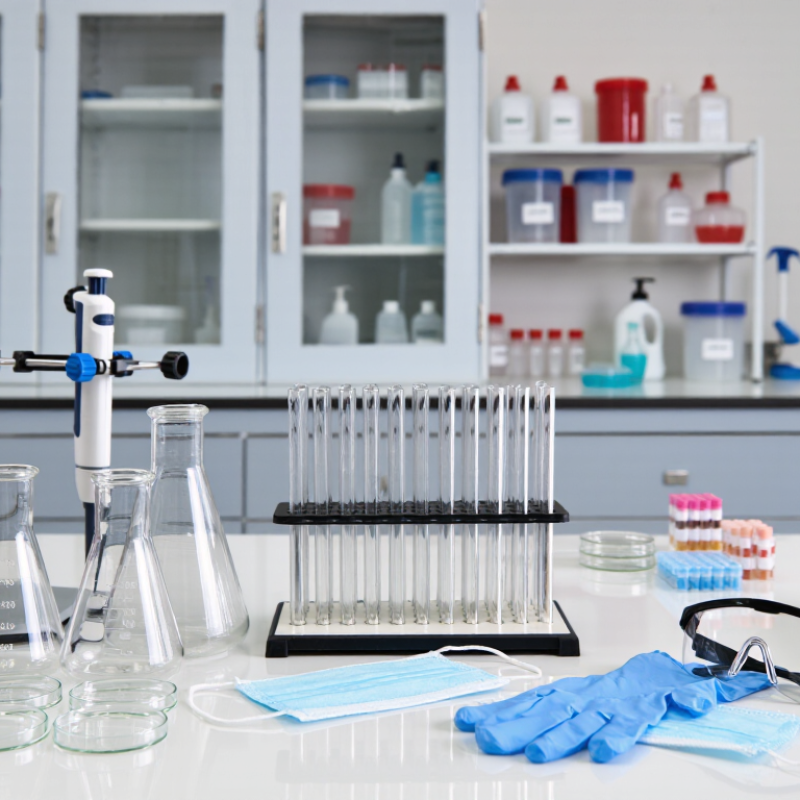
In 2026, science lab supplies are best classified by what they do, how they are used, and how they must be handled. A practical system includes measuring equipment, such as balances and graduated cylinders; sample-handling items, such as tubes, racks, and pipettes; and general labware, including beakers and flasks. Consumables, like gloves and filter paper, deserve their own category because they need frequent replacement.
Other useful groups are safety equipment, cleaning supplies, and storage items. Goggles, lab coats, and spill-control materials support safe work, while detergents and drying racks help keep benches ready for the next task. Some items fit more than one group. A glass bottle, for example, may be both storage equipment and sample-handling equipment. The labels matter. Classify it by its main use, then note special handling needs in your inventory.
Tips: Use clear shelf labels and keep compatible items together. Separate clean supplies from used equipment, and mark fragile glassware visibly. Review categories when procedures change; a system that looks tidy may still hide confusing overlaps. Keep categories practical.
| Supply Type | Common Examples | Primary Use | How It Is Classified | Selection and Handling Considerations |
|---|---|---|---|---|
| Glassware | Beakers, flasks, test tubes, graduated cylinders, pipettes | Holding, mixing, heating, transferring, or measuring liquids | By vessel shape, graduated or non-graduated design, and glass type, such as borosilicate glass | Check whether the item is intended for approximate or precise measurement. Inspect for chips and cracks; use heat-resistant glassware only within its rated conditions. |
| Plasticware | Sample tubes, bottles, beakers, weighing boats, disposable reservoirs | Sample collection, storage, transfer, and routine laboratory work | By polymer, such as polypropylene, polyethylene, or polystyrene, and by sterile or non-sterile status | Confirm chemical compatibility, temperature limits, and whether the item is single-use. Some plastics can absorb chemicals or interfere with sensitive analyses. |
| Liquid-Handling Supplies | Micropipettes, pipette tips, burettes, syringes, transfer pipettes | Measuring and transferring defined liquid volumes | By operating method, volume range, accuracy requirements, and whether the supply is reusable or disposable | Use equipment suited to the required volume and precision. Select compatible tips or attachments, and calibrate reusable volumetric devices according to laboratory procedures. |
| Measurement and Monitoring Supplies | Balances, thermometers, pH paper, probes, timers | Measuring mass, temperature, acidity, time, and other experimental conditions | By the physical or chemical property measured, measurement range, and resolution | Match the instrument’s range and resolution to the method. Follow calibration, cleaning, and storage instructions; protect probes and sensors from damage. |
| Sample Preparation Supplies | Funnels, filter paper, mortar and pestle, spatulas, centrifuge tubes | Separating, grinding, filtering, aliquoting, or otherwise preparing samples | By preparation process, sample type, and compatibility with the equipment used | Choose a material and format that will not contaminate or react with the sample. Balance centrifuge loads as directed and use the specified tube type. |
| Storage and Labeling Supplies | Reagent bottles, vials, racks, labels, marker pens, desiccators | Organizing, identifying, and storing samples or laboratory materials | By storage condition, container material, closure type, and compatibility with the contents | Use clear identification and appropriate hazard labels. Select containers and closures suitable for the substance, light exposure, and required temperature. |
| Personal Protective Equipment | Safety glasses, lab coats, gloves, face shields | Reducing exposure to chemical, biological, and physical hazards | By the hazard addressed, protective function, material, and applicable safety standard | Base selection on a documented hazard assessment. Gloves do not protect against every chemical; replace damaged or contaminated PPE as required. |
| Safety and Spill-Control Supplies | Absorbent materials, spill kits, safety labels, waste containers | Supporting spill response, hazard communication, and safe waste collection | By hazard class, compatible material, and intended response or disposal use | Keep supplies appropriate to the hazards present and follow the institution’s emergency and waste procedures. Do not mix incompatible waste streams. |
| Cleaning and Decontamination Supplies | Detergents, brushes, wipes, disinfectants, wash bottles | Cleaning laboratory items and reducing contamination | By cleaning action, intended surface or equipment, and required level of decontamination | Follow product directions and laboratory protocols. Verify material compatibility and required contact time; cleaning and disinfection are not interchangeable processes. |
| Disposable Laboratory Consumables | Gloves, weighing papers, cuvettes, slides, coverslips | Providing single-use or frequently replaced items for routine procedures | By application, material, size, sterility, and single-use or reusable designation | Check suitability for the procedure and sample. Dispose of used items through the correct waste stream, especially when contaminated or chemically hazardous. |
Classification note: Laboratory supply categories can overlap. Choose items according to the procedure, sample, hazards, measurement requirements, and relevant laboratory protocols.
Related Posts
-
10 Best Lab Supply Stores for Global Buyers
-
What Are the Best Laboratory Supplies from China?
-
What is Essential Science Laboratory Equipment for Buyers?
-
What Are the Top Lab Equipment Suppliers?
-
China Top 10 Science Lab Equipment Manufacturers
-
Top 10 Must Have Medical Laboratory Supplies for Every Facility