
NEWS AND UPDATES
The latest updates regarding our products and our company

Why Is Science Laboratory Equipment Important?
Science laboratory equipment is more than a collection of instruments; it helps turn questions into observations that can be examined and repeated. A balance can reveal a small change in mass, while a microscope brings details on a slide into view. Measuring cylinders, thermometers, and glassware help students handle samples and record results with greater consistency. Each tool has a purpose. Each has limits.
Reliable results depend on using the right equipment correctly. A poorly calibrated scale, a chipped beaker, or a contaminated sample can affect an experiment. Careful handling, routine checks, and clear instructions help reduce these risks. They also support safer work and more dependable records. In schools, universities, and professional research settings, suitable science laboratory equipment gives people practical ways to test ideas rather than rely on guesswork. Still, equipment alone cannot make an experiment sound. Methods, training, and honest interpretation matter just as much. This is easy to forget when a new instrument seems impressive. The following discussion explores why laboratory tools matter, how they support accurate and safe investigations, and what to consider when selecting and maintaining them.
What Science Laboratory Equipment Includes
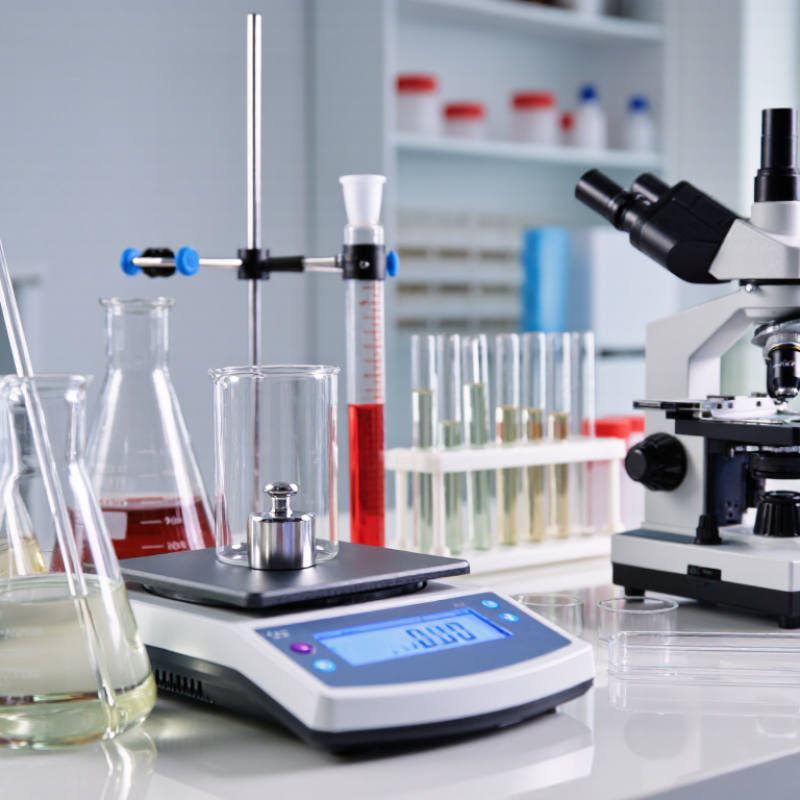
Science laboratory equipment includes the tools used to measure, prepare, observe, and protect. A balance measures mass; pipettes transfer small liquid volumes; glassware holds or mixes samples. Microscopes reveal details invisible to the eye, while thermometers and sensors track changing conditions. Some equipment is simple. Some needs careful calibration.
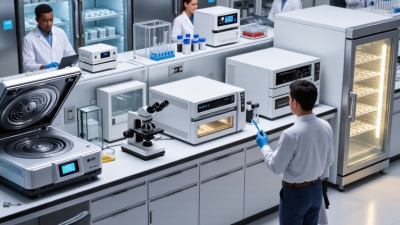
The category also includes centrifuges, ovens, refrigerators, analytical instruments, and digital systems that record results. Safety equipment belongs here too: fume hoods, eye protection, and emergency washing stations help manage everyday risks. The National Science Board’s 2024 Science and Engineering Indicators reports that U.S. research and development reached $892 billion in 2022. This figure is not an equipment budget, but it shows the scale of work that depends on reliable laboratory tools. Small details matter. A missing calibration record can make a precise-looking reading less trustworthy. Equipment choices should match the task, sample, and users—not just a checklist. That sounds obvious, yet busy labs can overlook it. No single inventory fits every experiment.
How Laboratory Tools Support Accurate Measurements
Accurate measurements begin with tools that deliver the same quantity each time. A pipette that dispenses 100 microliters should not quietly deliver 97 on Monday and 103 on Friday. ISO 8655-2:2022 sets maximum permissible errors for piston-operated pipettes; at 100 microliters, the limits are 0.8% for systematic error and 0.3% for random error. These figures give laboratories a practical benchmark for checking performance. They are not a guarantee that every pipette remains accurate between calibrations.
Small errors add up. A balance on an uneven bench, a scratched measuring cylinder, or a pipette used at the wrong angle can shift results. In routine work, a tool may look clean and sound while its delivered volume has drifted. Easy to miss. Regular calibration, documented checks, and suitable storage help reveal problems before results are compared or reported. The NIST/SEMATECH e-Handbook of Statistical Methods describes control charts as a way to spot process changes over time; tracking check weights or reference samples can make that guidance useful at the bench. Still, records only help when someone reviews them. A calibration sticker is not proof that today’s measurement is reliable.
Why Is Science Laboratory Equipment Important?
How laboratory tools support accurate measurements
A finer display resolution lets a balance show smaller changes in mass. These examples are based on typical readout increments and vary by model. Resolution is not the same as accuracy; calibration, proper use, and environmental conditions also affect measurement quality.
How Equipment Helps Protect Laboratory Users
Science laboratory equipment protects people by reducing exposure, preventing spills, and making routine work more predictable. A properly fitted fume hood draws vapors away from the breathing zone; keeping its sash at the recommended height helps it work as intended. Safety glasses shield eyes from splashes, while heat-resistant gloves reduce burns when handling warm glassware. Equipment does not remove every risk. A cracked flask or loose centrifuge lid can turn an ordinary task into an injury.
Protection depends on choosing, inspecting, and using equipment correctly. Before a procedure, check access to the eyewash station and emergency shower, and inspect cables and glassware. Confirm that guards are in place and ventilation indicators show normal operation. These checks sound repetitive. They are. But noticing a frayed cord or blocked eyewash path can matter more than a perfect written procedure. Protective gear also has limits: gloves can tear, and safety glasses may not provide enough coverage when splash hazards are high.
Tips: Pause before starting. Keep benches uncluttered, label containers clearly, and replace damaged equipment instead of improvising a repair. Small habits matter. If a device behaves unexpectedly, stop, step back, and report it. Guessing is rarely a safe way to troubleshoot. Some checks may feel fussy on a busy day, but skipping them can expose coworkers to avoidable hazards. This routine deserves a second look.
How Specialized Instruments Enable Scientific Research
Specialized instruments turn questions into measurable evidence. A calibrated spectrometer can reveal tiny differences in a sample’s light absorption; a temperature-controlled incubator keeps conditions steady across repeated tests. These details matter. Without stable measurements, researchers may mistake instrument drift for a real effect. UNESCO’s 2021 Science Report found that global research and development spending rose from 1.7% of GDP in 2014 to 1.8% in 2018. That investment supports research capacity, including the tools and facilities needed to collect dependable data.
Equipment alone does not guarantee good science. The OECD’s Main Science and Technology Indicators reported research and development spending at about 2.7% of GDP across OECD countries in 2021, but spending levels cannot tell us whether a particular instrument is well maintained or suited to its task. Researchers still need calibration records, appropriate controls, and clear operating procedures. A loose fitting, a contaminated sample, or a missed maintenance check can undermine an otherwise careful experiment. Small faults have consequences. Specialized instruments also let teams compare results across time and laboratories, provided methods and settings are documented. That consistency is valuable, though imperfect: no device removes human judgment or uncertainty.
How Proper Equipment Care Maintains Reliability
Reliable results depend on equipment that performs consistently, not just on careful technique. A balance with dust beneath its pan may drift, while residue inside a pipette can affect the next measurement. Regular cleaning, inspection, and calibration help reveal these problems before they distort a full set of results. Follow the equipment’s care instructions, and record service dates and unusual readings. Small habits matter.
Tips: Wipe surfaces with suitable materials after use. Check glassware for chips, and inspect cables for wear. Store sensitive instruments in stable conditions. Keep a simple maintenance log with dates, observations, and the person who completed each check.
Care can feel repetitive, especially during a busy shift. It is tempting to postpone a check when equipment appears to work normally. That assumption can be wrong. A balance may display a value while still needing calibration, and a loose connection may fail only during a longer run. No checklist catches everything. Staff should report odd readings promptly and avoid using equipment that seems damaged until it has been assessed. Clear records also help teams spot recurring issues, rather than treating each failure as an isolated surprise.
| Equipment | Why Reliability Matters | Routine Care | Suggested Checks | How Care Supports Reliable Results |
|---|---|---|---|---|
| Analytical balance | Accurate mass measurements are essential for preparing standards, reagents, and samples. | Keep the balance level and clean; avoid drafts, vibration, and overloading. Use suitable weighing vessels. | Check the level and cleanliness before use. Verify performance with appropriate certified weights at a frequency set by use and laboratory procedures. | Reduces errors caused by contamination, unstable placement, or changes in weighing performance. |
| Micropipette | Correct liquid volumes affect concentrations, dilutions, and assay results. | Use compatible tips, avoid liquid entering the shaft, and clean the pipette according to its instructions. | Inspect for damage or leaks. Check accuracy and precision periodically; calibration intervals should reflect use, risk, and applicable procedures. | Helps maintain consistent volume delivery and makes results more reproducible between users and experiments. |
| Centrifuge | Consistent speed and safe operation are important for separating samples and preventing equipment damage. | Clean spills promptly, use compatible tubes, balance opposing loads, and inspect the rotor for corrosion or damage. | Before use, check the rotor, lid, and load balance. Follow the equipment instructions for rotor inspection and service. | Supports repeatable separation conditions and lowers the risk of vibration, sample loss, or rotor failure. |
| Microscope | Clear, consistent imaging supports accurate observation, counting, and documentation. | Clean optical surfaces with lens tissue and suitable cleaner; cover the instrument when not in use. | Inspect lenses and illumination before use. Arrange periodic servicing if focus, alignment, or image quality changes. | Prevents residue and misalignment from obscuring specimens or affecting image interpretation. |
| Autoclave | Validated sterilization cycles are necessary when equipment or materials must be sterilized reliably. | Clean the chamber and drain strainer as directed; use compatible loads and avoid overloading. | Review cycle records and use appropriate physical, chemical, and biological monitoring based on the load, risk, and laboratory procedures. | Helps confirm that operating conditions are reached and that sterilization processes perform as intended. |
| Fume hood | Proper airflow helps contain hazardous vapors and protect laboratory personnel. | Keep the work area uncluttered, avoid blocking baffles, and keep the sash at the marked working height. | Check airflow indicators before use and arrange performance testing at intervals required by applicable standards and local rules. | Maintains containment conditions and helps identify airflow problems before hazardous work proceeds. |
| Laboratory refrigerator or freezer | Stable storage conditions help preserve samples, reagents, and reference materials. | Keep doors closed, organize contents to allow airflow, and clean the interior and seals regularly. | Monitor and record temperatures at a frequency set by laboratory procedures; investigate excursions promptly. | Reveals temperature changes that could compromise stored materials and affect later measurements. |
| pH meter | Reliable pH readings are important for solution preparation, reaction control, and sample characterization. | Rinse the electrode between samples and store it using the electrode manufacturer’s recommended solution. | Calibrate with suitable buffers before measurement sessions and inspect the electrode for deposits, cracks, or slow response. | Reduces errors from contaminated, dried, or aging electrodes and supports comparable readings over time. |
Related Posts
-
What Is the Best Scientific Lab Equipment to Buy in 2026?
-
10 Tips for Choosing Laboratory Supplies and Equipment
-
China Top 10 Science Lab Equipment Manufacturers
-
10 Tips for Choosing Lab Apparatus and Their Uses
-
How to Choose the Best Science Lab Supplies?
-
What Are Lab Supplies and What Do They Include?
Schedule
Monday to Thursday:
8:15 – 17:00
Friday:
8:00-15:00
Address
Leonardo Da Vinci, 10
Valencia Technology Park
46980 Paterna, Valencia, SPAIN
Real Laboratory SL
info@site_e1c8a3bd-d539-4d7f-8695-37f21373de39
Teléfono: +34 96 136 61 07